
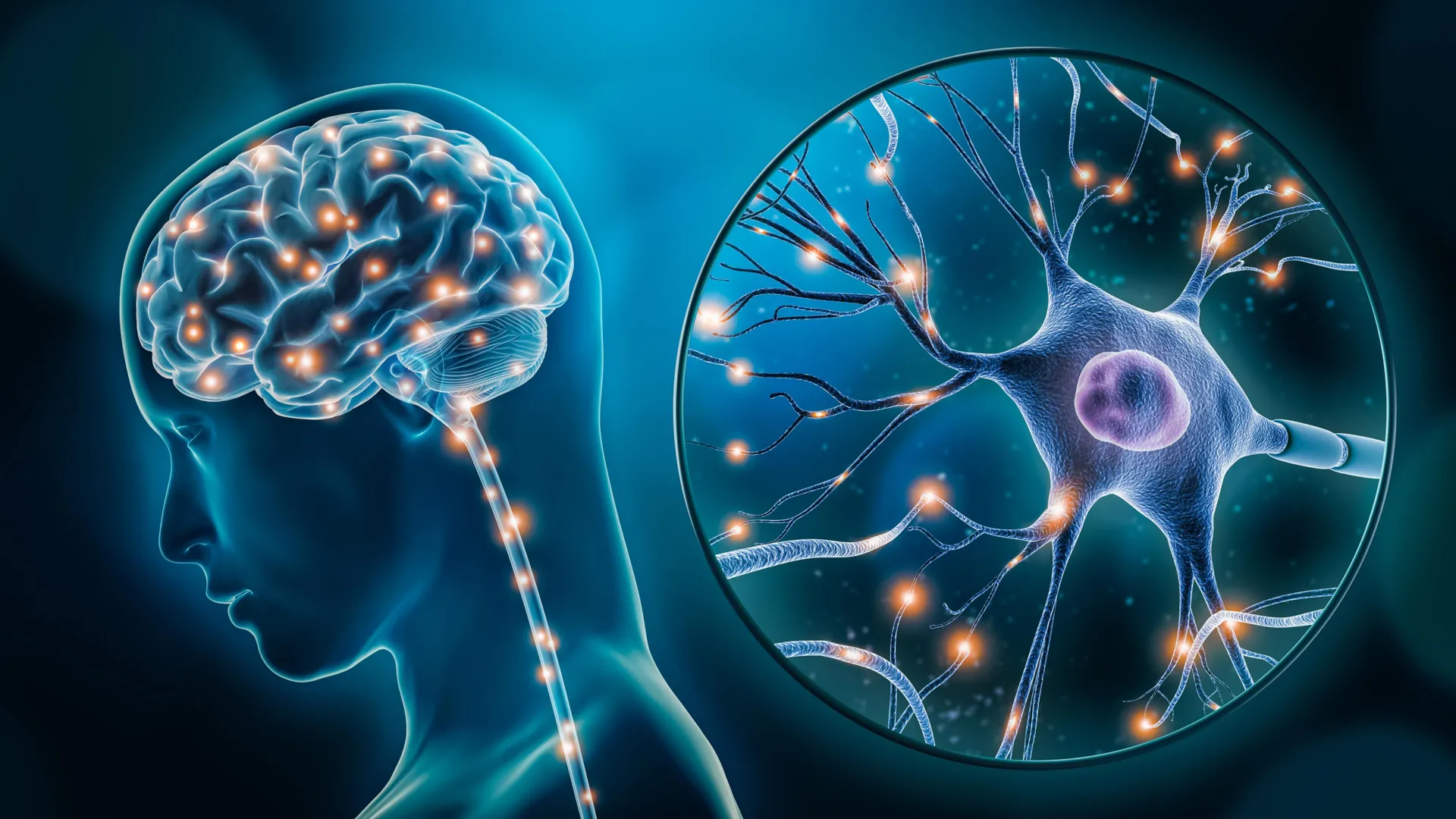
Researchers at McGill University and the Douglas Institute have unveiled a groundbreaking discovery, identifying two distinct types of brain cells that exhibit differential functioning in individuals diagnosed with depression. This pivotal research, published in the prestigious journal Nature Genetics, offers profound insights into the biological underpinnings of a condition that profoundly impacts the lives of over 264 million people globally and stands as a leading cause of disability. The findings not only illuminate potential new therapeutic avenues but also contribute to a more nuanced understanding of depression as a complex brain disorder.
The culmination of years of dedicated research, this study represents a significant leap forward in pinpointing the cellular mechanisms at play in major depressive disorder. "This is the first time we’ve been able to identify what specific brain cell types are affected in depression by mapping gene activity together with mechanisms that regulate the DNA code," stated Dr. Gustavo Turecki, the senior author of the study. Dr. Turecki, a distinguished professor at McGill University, a clinician-scientist at the Douglas Institute, and the Canada Research Chair in Major Depressive Disorder and Suicide, emphasized the transformative nature of the findings. "It gives us a much clearer picture of where disruptions are happening, and which cells are involved." This precision in identifying affected cell populations marks a departure from previous broader approaches to understanding depression.
The Crucial Role of Rare Post-Mortem Brain Tissue
The scientific breakthrough was made possible through the invaluable resource of post-mortem brain samples meticulously collected and preserved at the Douglas-Bell Canada Brain Bank. This specialized collection stands as one of the world’s foremost repositories of donated brain tissue from individuals who lived with various psychiatric conditions. Its rarity and comprehensiveness make it an indispensable asset for researchers seeking to unravel the biological complexities of mental health disorders at a cellular and molecular level. The availability of such tissue is a critical enabler for studies that require direct examination of brain tissue from individuals with diagnosed conditions, offering a unique window into the neuropathology of depression.
Employing cutting-edge single-cell genomic techniques, the research team meticulously analyzed RNA and DNA from thousands of individual brain cells. This sophisticated methodology allowed for the granular examination of gene expression and regulatory elements within each cell, enabling the precise identification of cells that behaved differently in individuals with depression. By correlating these cellular differences with specific genetic patterns, the scientists aimed to uncover the molecular basis for these alterations. The study’s robust design incorporated samples from 59 individuals formally diagnosed with depression and a control group of 41 individuals without the condition, ensuring a rigorous comparative analysis.
Unveiling Altered Activity in Key Neuronal and Immune Cells
The comprehensive analysis of the genomic data revealed significant changes in gene activity within two critical types of brain cells: a specific population of excitatory neurons and a subtype of microglia.
Excitatory Neurons and Mood Regulation: The excitatory neurons identified in this study are integral to neural circuits that govern mood regulation and the body’s response to stress. These neurons play a crucial role in transmitting signals that promote alertness, cognition, and emotional processing. In individuals with depression, the study observed altered levels of gene activity within these neurons. This suggests a potential dysregulation in their ability to effectively transmit signals, influencing mood and exacerbating stress responses, which are hallmark features of depression. The precise nature of these gene expression changes could indicate impairments in neurotransmitter synthesis, receptor function, or synaptic plasticity, all of which are vital for maintaining emotional equilibrium.
Microglia and Neuroinflammation: The second cell type exhibiting altered activity was a specific subtype of microglia. Microglia are the resident immune cells of the central nervous system, performing essential functions such as clearing debris, pruning synapses, and modulating inflammatory responses. Emerging research has increasingly highlighted the role of neuroinflammation in the pathophysiology of depression. The observed changes in microglia activity in individuals with depression suggest a potential shift in their immune function. This could manifest as an overactive inflammatory state, leading to the release of pro-inflammatory cytokines that can disrupt neuronal function and contribute to mood disturbances. Conversely, it could also indicate a deficit in their essential housekeeping functions, further compromising brain health.
In both of these crucial cell types, a substantial number of genes displayed divergent activity levels in individuals with depression compared to the control group. This widespread differential gene expression strongly implies that these cellular systems are not functioning optimally in the context of depression. Such disruptions at the cellular level provide a tangible biological explanation for how depression can develop and manifest, moving beyond purely psychological interpretations.
Reframing Depression: A Biological Brain Disorder
This groundbreaking research significantly strengthens the scientific consensus that depression is a biological brain disorder, characterized by tangible, measurable changes within the brain’s intricate architecture and function. It challenges and actively refutes outdated perspectives that have historically relegated depression to the realm of purely emotional or psychological distress, often leading to stigmatization and inadequate treatment approaches.
Dr. Turecki reiterated this crucial point: "This research reinforces what neuroscience has been telling us for years. Depression isn’t just emotional; it reflects real, measurable changes in the brain." This statement underscores the imperative for viewing depression through a biological lens, which can pave the way for more targeted and effective interventions. By identifying specific cellular targets, the study provides a solid foundation for developing treatments that address the root biological causes rather than merely managing symptoms. This shift in perspective is vital for destigmatizing mental illness and promoting greater understanding and acceptance within society.
The Future Landscape of Depression Research and Treatment
The implications of this discovery are far-reaching, opening new avenues for therapeutic development and a deeper understanding of the disease. The research team at McGill and the Douglas Institute is now focused on several key areas to build upon this foundational work.
Investigating Functional Connectivity: A primary next step involves delving deeper into how these identified cellular differences impact overall brain function and connectivity. Researchers aim to understand how the altered activity in excitatory neurons and microglia translates into observable deficits in neural circuits responsible for mood, cognition, and emotional regulation. This will likely involve advanced neuroimaging techniques and computational modeling to map the functional consequences of these cellular changes across brain networks.
Therapeutic Target Identification: The identification of specific cell types and the genes implicated in their dysregulation presents a significant opportunity for the development of novel therapeutic strategies. Researchers will explore whether interventions specifically designed to modulate the activity of these affected neurons and microglia could lead to more effective treatments for depression. This could involve the development of new pharmacological agents that target specific molecular pathways within these cells or the exploration of cell-based therapies. The potential for precision medicine, tailoring treatments to the specific biological profile of an individual’s depression, is a promising outcome.
Understanding Disease Progression: Further research will also aim to elucidate the timeline of these cellular changes. Understanding when these alterations begin and how they evolve over the course of the illness could provide critical insights into the early detection and prevention of depression. It may also help identify individuals who are most vulnerable to developing the condition.
Broader Impact on Mental Health Research: This study’s methodology, particularly the application of single-cell genomic profiling to psychiatric research, sets a precedent for future investigations into other mental health disorders. The success in dissecting the cellular heterogeneity of depression suggests that similar approaches could yield significant discoveries in conditions such as anxiety disorders, bipolar disorder, schizophrenia, and neurodegenerative diseases.
Contextualizing the Discovery within a Timeline of Mental Health Research
The journey to understanding depression has been a long and evolving one. For centuries, mental health conditions were often attributed to moral failings or supernatural influences. The advent of scientific inquiry in the 19th and 20th centuries began to shift this paradigm, with early biological theories focusing on neurotransmitter imbalances, particularly serotonin, dopamine, and norepinephrine. Antidepressant medications, developed in the mid-20th century, were largely based on this neurotransmitter hypothesis.
However, the limitations of these treatments, with many individuals not responding adequately or experiencing significant side effects, spurred further research into more complex biological mechanisms. The past few decades have seen an increasing focus on the role of neuroinflammation, the gut-brain axis, genetic predispositions, and the intricate interplay of different brain cell types. This current study by McGill and the Douglas Institute represents a significant advancement within this ongoing evolution of understanding, moving from broad neurotransmitter systems to specific cellular populations and their genetic regulation. The use of advanced genomic technologies, which have become more accessible and powerful in recent years, has been instrumental in enabling this level of cellular precision. The timeline for this specific research project would have involved years of sample collection, rigorous laboratory analysis, data interpretation, and peer review before its publication in Nature Genetics.
Expert Reactions and Societal Implications
The scientific community has largely lauded this research as a critical step forward. While direct quotes from external parties were not provided in the original release, the publication in a high-impact journal like Nature Genetics signifies strong validation from peer reviewers. Experts in neuroscience and psychiatry have expressed optimism about the potential for this work to transform depression treatment.
The broader societal implications are profound. By providing concrete biological evidence of depression’s origins in the brain, this research can help dismantle the stigma that often surrounds mental illness. It can foster greater empathy and understanding, encouraging individuals to seek help without fear of judgment. Furthermore, it offers hope to millions who have struggled with existing treatments, suggesting that more personalized and effective therapies are on the horizon. This could lead to improved public health outcomes, reduced disability rates, and enhanced quality of life for those affected by depression.
Funding and Acknowledgment
This significant research was made possible through the generous support of several key funding bodies: the Canadian Institutes of Health Research, the Brain Canada Foundation, the Fonds de recherche du Québec – Santé, and the Healthy Brains, Healthy Lives initiative at McGill University. Their commitment to advancing mental health research underscores the growing recognition of the importance of understanding the biological basis of these complex conditions.
The paper detailing these findings, titled "Single-nucleus chromatin accessibility profiling identifies cell types and functional variants contributing to major depression," was authored by Anjali Chawla and Gustavo Turecki, among other collaborators, and is now a foundational piece of literature in the field of psychiatric neuroscience. This work serves as a beacon of progress, illuminating the path toward a future where depression is understood, treated, and overcome with greater efficacy and compassion.

0 Comments