
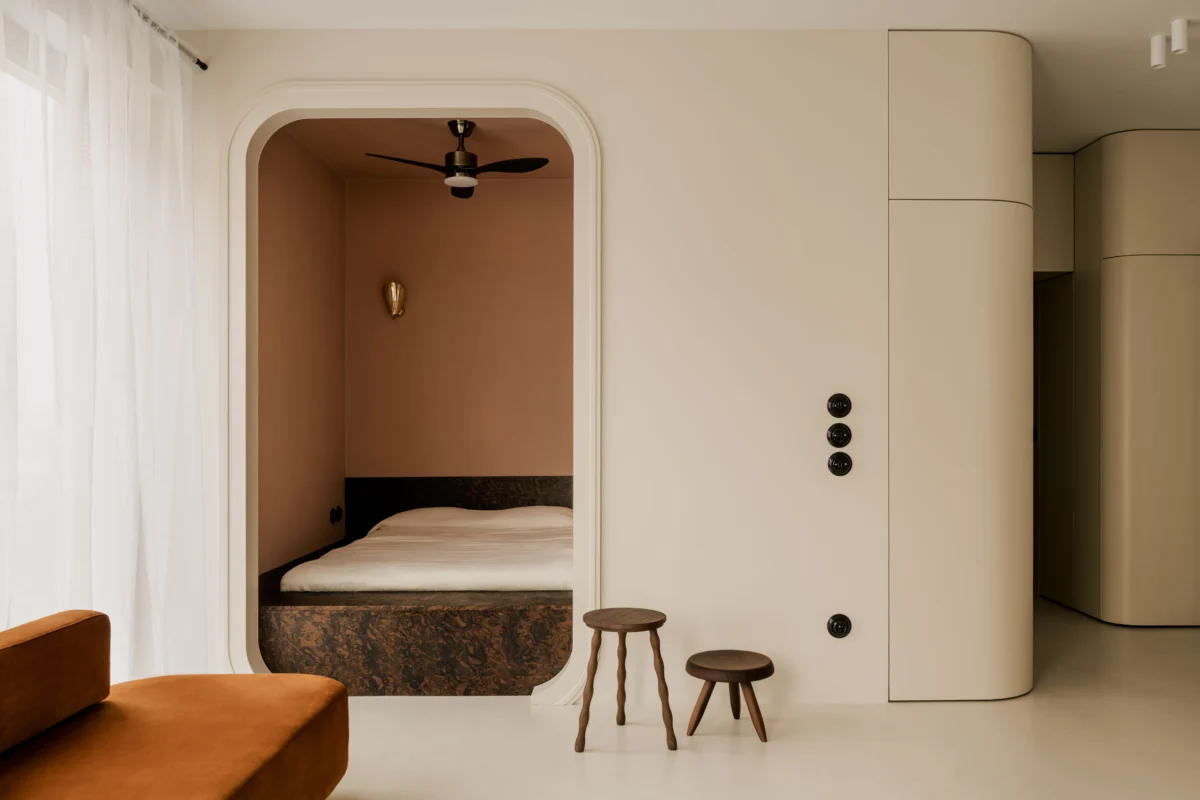
A pair of photographers, seeking a serene urban sanctuary for their sporadic visits to Warsaw, have successfully reimagined a modest 366-square-foot apartment in the rapidly developing Port Praski district. This ambitious renovation, spearheaded by local architect Dawid Konieczny, not only optimized the compact living space but also introduced an unconventional yet highly functional layout that prioritizes both aesthetics and practicality. The project underscores a growing trend in urban living, where innovative design solutions are essential for maximizing the potential of smaller footprints, particularly in areas undergoing significant regeneration.
The Genesis of a Compact Retreat
The couple’s search for a "pied-à-terre" in Warsaw led them to a newly constructed apartment in Port Praski, a neighborhood currently undergoing a large-scale, multi-phase regeneration. Once an industrial dockland, this area is being meticulously transformed into a dynamic mixed-use district, blending residential, commercial, and recreational spaces. Despite the apartment’s recent construction in 2024, the owners desired a complete overhaul of its original floor plan and interior design, aiming to create a personalized and highly efficient living environment.
Their vision for a functional yet stylish retreat necessitated a deep dive into spatial reconfigurations. The couple enlisted the expertise of architect Dawid Konieczny, known for his innovative approach to interior design and spatial optimization. Konieczny’s initial assessment revealed the need for a comprehensive overhaul of the apartment’s essential systems, including electrical wiring and plumbing, to support the envisioned redesign.
A Bold Spatial Reorganization
The cornerstone of Konieczny’s design strategy was a radical rearrangement of the apartment’s primary zones. In a move that challenged traditional living arrangements, the bedroom was relocated to what was originally the kitchen space. This unconventional decision allowed the remaining area to be consolidated into a more expansive and versatile living and dining space, effectively creating a compound area for daily activities.

This strategic shift in spatial allocation was driven by the principle of maximizing usable square footage. By centralizing the private sleeping quarters, the architect was able to dedicate a larger, more open volume to social and communal functions. The original layout, common in many compact urban dwellings, often separates these zones rigidly. Konieczny’s approach blurred these lines, demonstrating that an unconventional layout can lead to a more harmonious and efficient flow within a small apartment.
The Unfolding of the Redesigned Space
Upon entering the transformed apartment, visitors are greeted by an entryway that has been ingeniously outfitted with custom built-in storage. This practical addition not only provides ample space for everyday necessities but also cleverly directs the flow diagonally into the fan-shaped living area. This creates a sense of arrival and subtly guides the inhabitant’s movement through the space.
The kitchen, now positioned along one wall, has been significantly enhanced in terms of functionality. It boasts an expanded countertop area, providing more surface for food preparation and cooking. Overhead cabinetry offers additional storage, keeping the space organized and uncluttered. Adjacent to the kitchen, an integrated eating nook provides a cozy and convenient spot for meals, further optimizing the use of this redefined zone.
The relocated bedroom, now a separate and private sanctuary, has also been maximized for storage. Konieczny managed to incorporate custom storage solutions within this more intimate space, ensuring that even the smallest areas are put to effective use. The bathroom, while requiring the relocation of the shower and toilet, has emerged as a more functional and well-appointed area, a testament to meticulous planning.
The Architectural Vision: Before and After
The transformation is vividly illustrated by the apartment’s floor plans before and after the renovation. The initial plan reveals a more conventional, albeit compact, division of space. The post-renovation plan, however, showcases a dramatically different arrangement, highlighting the architectural ingenuity employed to redefine the apartment’s functionality and aesthetic.

Floor Plan Before Renovation:
[Image Placeholder: Floor plan before renovation]
Floor Plan After Renovation:
[Image Placeholder: Floor plan after renovation]
This visual comparison underscores the fundamental shift in how the space is utilized, moving from a compartmentalized structure to an integrated and adaptable environment.
A Palette of Warmth and Sophistication
The interior design of the reimagined apartment is characterized by a deliberate use of warm tones, soft textures, and rounded architectural elements. This approach creates an inviting and comfortable atmosphere, transforming the compact unit into a cozy retreat.
The Kitchen’s Elegant Foundation
The kitchen itself is a showcase of refined materials and thoughtful detailing. Oiled oak cabinet fronts provide a natural warmth and organic texture, beautifully contrasted with the clean, modern finish of cream lacquer panels. The countertop is adorned with Blue Roma quartzite, a material known for its distinctive veining that complements the cabinetry and adds a touch of understated luxury. This combination of materials and finishes creates a sophisticated yet welcoming culinary space.

[Image Placeholder: Kitchen detail with oak cabinets, cream lacquer, and Blue Roma quartzite]
A Cocoon-like Bedroom Retreat
The newly configured bedroom has been designed to evoke a sense of intimate enclosure, reminiscent of a ship’s cabin. An all-over apricot color scheme bathes the room in a warm, inviting glow. This is further enhanced by the use of Alpi Wood California burl wood trim, which adds a rich, tactile quality and a touch of vintage elegance. The inclusion of vintage bedside lamps contributes to the room’s unique character and imbues it with a sense of history.
[Image Placeholder: Bedroom with apricot color scheme and burl wood trim]
The bedroom also features an innovative glass-fronted closet. This design choice not only adds a chic and functional element for clothing storage but also visually expands the perceived space, preventing the closet from feeling like a heavy, imposing fixture. The rounded corners of the glass windows on the large floor-to-ceiling built-in storage units within the bedroom further contribute to the soft, enveloping atmosphere.
The Living Area: A Harmonious Blend
The main living area, a fan-shaped expanse, is designed for both relaxation and entertaining. Oatmeal-colored built-ins, finished in a smooth lacquer, wrap around the entryway, providing discreet storage and a visually appealing architectural feature. These elements, along with the polished concrete floors, ceilings, and walls finished in an off-white hue, create a cohesive and contemporary backdrop.

The kitchen’s built-ins also feature curved detailing, where the oiled oak veneer seamlessly meets the cream lacquer panels. This subtle yet impactful design choice softens the lines of the cabinetry and reinforces the apartment’s overall aesthetic of gentle curves and flowing forms.
The color palette throughout the main area leans towards warm, muted tones, creating a serene and sophisticated ambiance. The strategic use of Blue Roma quartzite in the kitchen provides a cool-toned counterpoint to the predominantly sunset-hued main living space, adding visual interest and depth.
[Image Placeholder: Living and dining area with built-ins and kitchen elements]
A Bathroom Oasis of Vintage Charm
Perhaps the most celebrated space in the apartment is the bathroom, a harmonious fusion of disparate styles that creates a uniquely captivating environment. The owners have expressed a particular fondness for this area, and it’s easy to see why.
The bathroom features a striking Art Deco-inspired checkerboard floor, rendered in classic red and white tiles. This bold pattern is softened by the application of blue stucco walls, adding a touch of Mediterranean flair. Vintage fixtures contribute to the room’s timeless appeal, evoking a sense of nostalgia and established elegance.

A standout element is the use of Alpi California burl wood veneer, which is also featured in the bedroom. This luxurious material lends a sense of opulence and warmth to the bathroom, creating a striking contrast with the geometric patterns of the tiles and the cool tones of the stucco. This juxtaposition of materials and styles — the geometric precision of Art Deco, the rustic charm of handmade ceramics, and the rich warmth of burl wood — results in a space that is both eclectic and cohesive.
[Image Placeholder: Bathroom with checkered tiles, burl wood, and vintage fixtures]
Adding to the apartment’s curated feel, carefully selected vintage objects are thoughtfully placed throughout the space. These pieces, acquired from various sources, including flea markets, imbue the new apartment with a sense of history and character, bridging the gap between its contemporary construction and a rich past. Above the dining room bench, a vintage brass artwork, discovered at a flea market in Belarus, serves as a focal point, embodying the project’s successful integration of the old within the new.
[Image Placeholder: Detail of vintage brass artwork above dining bench]
The inclusion of a rustic, handmade ceramic vase, perhaps from Gropk Ceramic, further enhances the apartment’s artisanal appeal. These handcrafted elements provide a tangible connection to the artisan world, adding a layer of authenticity and personal touch to the meticulously designed space.

Broader Implications for Urban Living
The successful transformation of this 366-square-foot Warsaw apartment by Dawid Konieczny offers valuable insights into the evolving landscape of urban living. As cities continue to densify and housing costs rise, the ability to creatively maximize small living spaces becomes increasingly crucial. This project demonstrates that with innovative design thinking, even the most compact apartments can be reimagined to offer comfort, style, and full functionality.
The trend towards smaller, more efficiently designed living spaces is supported by demographic shifts and a growing preference for urban lifestyles. Data from various real estate analytics firms indicate a steady increase in demand for micro-apartments and studios in major metropolitan areas worldwide. For instance, reports from the European Statistical Office (Eurostat) show a consistent growth in the construction of smaller residential units across European capitals over the past decade, reflecting a market response to affordability and changing lifestyle preferences.
Furthermore, the regeneration of areas like Port Praski signifies a broader urban planning strategy focused on revitalizing underutilized industrial zones into vibrant, sustainable communities. This approach not only addresses housing needs but also enhances urban aesthetics and economic vitality. The integration of new residential developments within these regenerated areas, as seen in this case, often necessitates the development of highly optimized living solutions to cater to a diverse range of residents, from young professionals to couples seeking compact urban retreats.
The architect’s strategic decision to prioritize a complete spatial overhaul, rather than merely cosmetic upgrades, highlights the importance of a holistic design approach. By addressing fundamental aspects like electrical systems, plumbing, and the strategic relocation of key functional areas, Konieczny was able to unlock the full potential of the apartment’s footprint. This approach contrasts with superficial renovations that may improve aesthetics but fail to address underlying spatial inefficiencies.
The integration of vintage elements also speaks to a growing appreciation for unique and sustainable design. In an era of mass production, the incorporation of one-of-a-kind pieces adds character, personality, and a sense of narrative to living spaces. This approach not only contributes to a more visually interesting environment but also aligns with broader sustainability goals by giving new life to existing objects.

Ultimately, this Warsaw apartment serves as a compelling case study for architects, designers, and homeowners alike. It underscores the power of creative problem-solving in the realm of interior design and provides a blueprint for how compact urban living can be not only practical but also exceptionally stylish and deeply personal. The project’s success in transforming a seemingly small space into a functional and aesthetically rich dwelling is a testament to the enduring value of thoughtful, human-centered design in contemporary architecture.
This Warsaw retreat was originally published by AD France. It was translated by John Newton.

0 Comments