
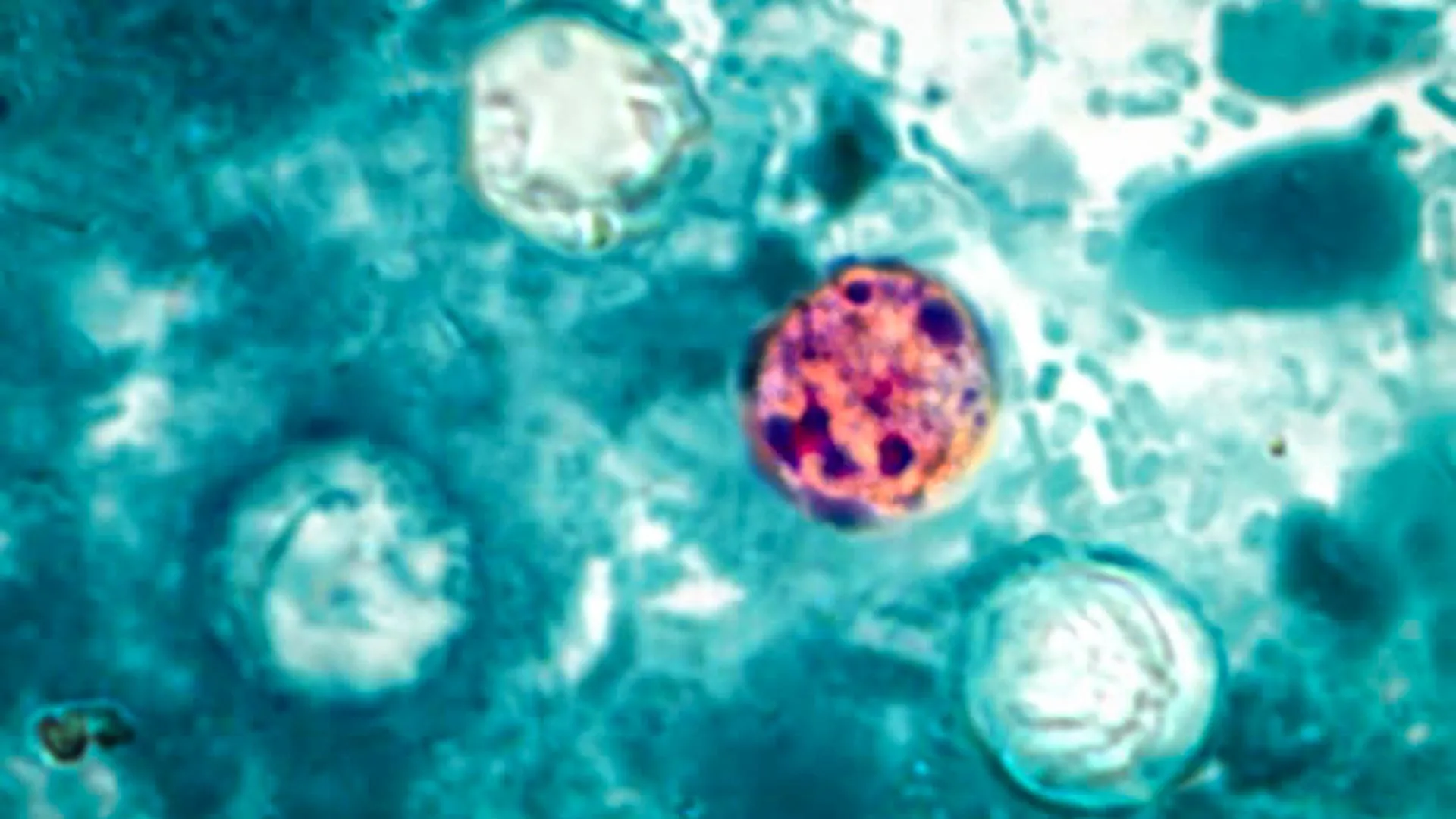
The U.S. Centers for Disease Control and Prevention (CDC), in conjunction with state and federal health agencies, is actively investigating a growing number of cyclosporiasis outbreaks across the nation, with a significant cluster identified in at least four Midwestern states. The precise origins of these widespread infections remain under intense scrutiny as public health officials work diligently to pinpoint contaminated food sources.
Escalating Concerns and a Widespread Public Health Challenge
As of July 13, the CDC has reported over 400 confirmed cases of cyclosporiasis linked to a major multistate outbreak. The affected states currently include Michigan, Ohio, West Virginia, and Kentucky. These figures represent a concerning increase in reported illnesses since the beginning of May, prompting a coordinated response from federal and state health departments. Beyond this prominent cluster, the CDC has also acknowledged investigating several other smaller outbreaks and isolated cases of cyclosporiasis that have emerged nationwide.
The investigation hinges on detailed interviews with individuals who have fallen ill. Public health officials are meticulously gathering information about their dietary habits in the days and weeks leading up to the onset of symptoms. This systematic approach aims to identify common food items consumed by those affected, which could serve as the vehicle for the parasitic infection. Despite ongoing efforts, no specific food product has yet been definitively confirmed as the source of the current widespread outbreaks.
The Nature of Cyclosporiasis and Its Public Health Impact
Cyclosporiasis is a diarrheal illness caused by the microscopic parasite Cyclospora cayetanensis. This parasite is typically transmitted to humans through contaminated food or water. While cyclosporiasis is generally not considered life-threatening, it can cause severe symptoms in some individuals, necessitating hospitalization. The incubation period for Cyclospora infection can range from two days to two weeks, with symptoms often appearing about a week after exposure.
Common symptoms of cyclosporiasis include:
- Diarrhea, often frequent and watery
- Loss of appetite
- Weight loss
- Stomach cramps or pain
- Nausea
- Fatigue
- Bloating
- Increased gas
- Vomiting (less common)
- Fever (less common)
Without prompt medical intervention, symptoms can persist for extended periods, potentially lasting for several days, weeks, or even months. This prolonged duration of illness underscores the importance of timely diagnosis and treatment.
The Investigation: A Collaborative and Data-Driven Effort
The current investigation represents a significant collaborative undertaking involving multiple federal and state agencies. The CDC and the U.S. Food and Drug Administration (FDA) are at the forefront, collecting and analyzing a wide array of data. This includes epidemiological information, such as patient demographics, geographic location, and detailed food histories, as well as laboratory testing of potential food products.
Public health and regulatory agencies in affected states are actively engaged, working on the ground to interview patients, collect samples, and conduct traceback investigations. This multifaceted approach is crucial for piecing together the complex puzzle of how the parasite is spreading. The process of definitively linking an outbreak to a specific food source can be lengthy, involving meticulous tracing of supply chains from farm to table.
Understanding the Scope: Potential Underestimation of Cases
Health officials widely acknowledge that the reported case count of over 400 individuals may represent only a fraction of the actual number of people infected. Several factors contribute to this potential underestimation. Firstly, some individuals may experience mild symptoms and recover without seeking medical attention, thus never being tested for Cyclospora. Secondly, the diagnostic process itself can be time-consuming. It can take several weeks for a laboratory to confirm Cyclospora infection and for health officials to establish a definitive link to a specific outbreak.
The reported onset date for illnesses connected to the current multistate outbreak, for many individuals, is on or after June 22, 2026. This timeline suggests that the contamination event may have occurred prior to this date, and the subsequent incubation period and symptom development led to the current surge in reported cases. The possibility that the outbreak extends beyond the four identified states cannot be ruled out, and ongoing surveillance is crucial to identify any additional affected regions.
Patient Interviews: A Cornerstone of Outbreak Investigation
A critical component of the investigation involves detailed interviews with individuals diagnosed with cyclosporiasis. Public health officials are collecting a comprehensive range of information from these patients, including their age, race, ethnicity, and other demographic details. Perhaps most importantly, they are meticulously documenting the foods consumed in the two weeks preceding the onset of illness.
This detailed dietary recall is essential for identifying potential patterns. If a significant number of ill individuals report consuming a particular food item, it becomes a prime suspect. Investigators then initiate traceback procedures, following the supply chain of that suspect food backward to its origin. This can involve identifying farms, processing facilities, distributors, and retailers involved in its distribution.
Guidance for the Public: Recognizing Symptoms and Seeking Care
The CDC is urging the public to be aware of cyclosporiasis symptoms and to seek prompt medical attention if they suspect they have been infected. Early diagnosis and treatment are key to managing the illness and preventing potential complications.
Key advice for individuals experiencing symptoms includes:
- Contact a Healthcare Provider Immediately: If you develop symptoms consistent with cyclosporiasis, reach out to your doctor or other healthcare professional without delay.
- Be Prepared to Provide Detailed Information: When seeking medical care, be ready to describe your symptoms and recall what you have eaten in the preceding weeks. This information will be invaluable to healthcare providers and public health investigators.
- Understand the Symptom Timeline: Symptoms typically appear about one week after infection, but this can vary from two days to over two weeks.
- Recognize the Potential for Prolonged Illness: Symptoms can persist for a considerable duration, even with treatment.
Empowering Public Health: The Role of Patient Cooperation
The success of outbreak investigations hinges on the cooperation of affected individuals. By providing accurate and detailed information about their food consumption patterns, patients play a vital role in helping health agencies identify the contaminated food responsible for the outbreak. This collaborative effort between the public and public health officials is paramount in preventing further spread and mitigating the impact of foodborne illnesses.
Reducing Risk: Prevention Strategies and Staying Informed
While specific preventive measures are often refined as outbreak sources are identified, general food safety practices remain crucial in reducing the risk of cyclosporiasis and other foodborne illnesses. The CDC offers comprehensive guidance on how to reduce the risk of infection, emphasizing proper food handling and preparation.
Key prevention strategies include:
- Washing Produce Thoroughly: Fruits and vegetables, especially those consumed raw, should be washed carefully under running water. Scrubbing firmer produce with a clean produce brush is also recommended.
- Cooking Food Thoroughly: Ensuring all food is cooked to the appropriate internal temperature can kill parasites and other pathogens.
- Practicing Good Hygiene: Frequent handwashing with soap and water, especially before and after handling food, is essential.
- Avoiding Cross-Contamination: Keeping raw meats, poultry, seafood, and eggs separate from other foods during preparation and storage can prevent the spread of germs.
Consumers are also encouraged to stay informed about ongoing food recalls and outbreaks through official channels, such as the CDC’s food safety website and the FDA’s recall information pages.
Guidance for Healthcare Professionals: Vigilance and Reporting
The CDC has issued specific guidance for healthcare providers, emphasizing the importance of recognizing cyclosporiasis symptoms and reporting suspected cases to local health departments. This early reporting is critical for initiating timely investigations and implementing public health interventions.
Key guidance for healthcare providers includes:
- Prompt Reporting: Clinicians should report all confirmed or suspected cases of cyclosporiasis to their local or state health department.
- Awareness of Symptoms: Familiarity with the diverse range of cyclosporiasis symptoms is crucial for accurate diagnosis.
- Diagnostic Testing: Appropriate laboratory testing is necessary to confirm Cyclospora infection.
- Patient Management: The CDC provides detailed resources on the clinical care of cyclosporiasis, including information on diagnosis, treatment options, and patient management strategies.
The ongoing investigation into these cyclosporiasis outbreaks highlights the persistent challenges of foodborne illness surveillance and control in a complex global food system. The collaborative efforts of federal agencies, state health departments, and the public are essential in identifying sources, preventing further illnesses, and safeguarding public health. As more information becomes available, further updates are expected to guide public health recommendations and preventive measures.

0 Comments