
The pervasive nature of microplastics has emerged as one of the most pressing environmental and public health challenges of the 21st century, infiltrating nearly every facet of modern existence. Once thought to be confined to industrial waste and ocean gyres, these microscopic polymer particles—defined as plastic fragments less than five millimeters in length—are now found in the food chain, municipal water supplies, and even essential personal hygiene products such as menstrual pads, tampons, and synthetic clothing. As scientific research increasingly links microplastic exposure to adverse health outcomes in humans and catastrophic damage to global ecosystems, the demand for radical transparency and plastic-free alternatives has reached a fever pitch. In this climate of heightened awareness, Lindsay McCormick, the founder and CEO of Bite, has positioned her company at the forefront of a movement advocating for "smart, simple, and strategic swaps" to eliminate daily exposure to these pollutants.
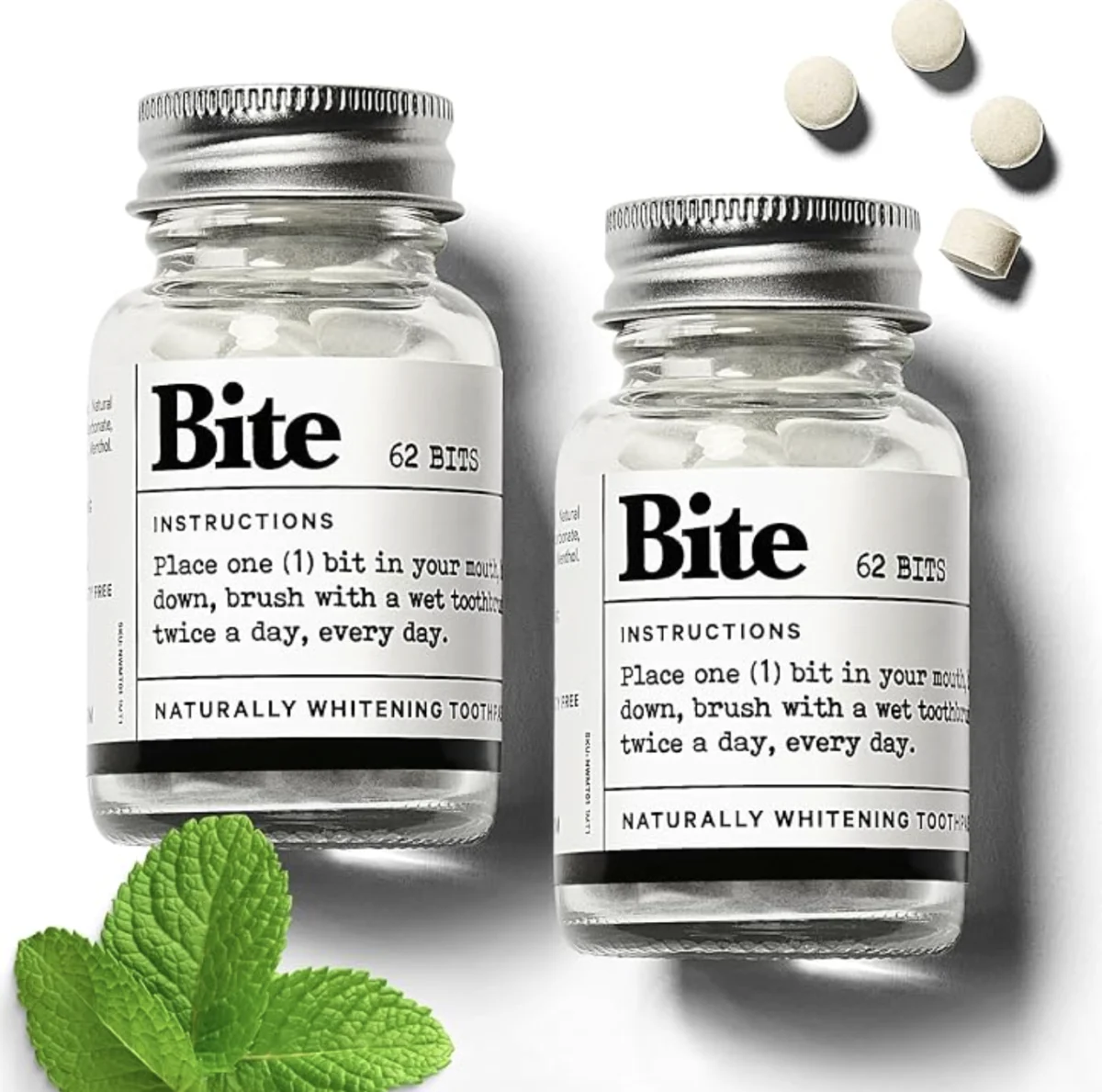
McCormick’s journey into the world of sustainable manufacturing began not in a boardroom, but in her living room, driven by a personal frustration with the sheer volume of waste generated by the oral care industry. In 2017, while balancing a career as a surf instructor and a producer, McCormick realized that the convenience of travel-sized toothpaste tubes came at a staggering environmental cost. These multi-layer plastic and aluminum tubes are notoriously difficult to recycle and often take up to 500 years to decompose. Her response was the creation of Bite—an acronym for "Because It’s the Earth"—a brand dedicated to removing plastic from the personal care routine entirely. The company’s flagship product, toothpaste "bits," replaced the traditional squeeze tube with dry tablets that foam upon contact with saliva, packaged in glass jars designed for lifelong reuse.
The Scientific Context: The Ubiquity of Microplastics
To understand the urgency behind Bite’s mission, one must examine the current data regarding plastic saturation in the environment. According to a 2024 report by the Organization for Economic Cooperation and Development (OECD), global plastic production has doubled in the last two decades, with only 9% successfully recycled. The remainder ends up in landfills, incinerators, or the natural environment. Over time, these plastics do not disappear; they fragment into microplastics and nanoplastics.

Recent peer-reviewed studies have detected microplastics in human blood, lung tissue, and even the placenta, raising alarms among toxicologists. These particles can act as vectors for endocrine-disrupting chemicals, such as bisphenols and phthalates, which are known to interfere with hormonal regulation. McCormick’s philosophy centers on the idea that human health and environmental health are inextricably linked. "What happens in the ocean eventually happens in our blood," McCormick noted in a recent interview with SheKnows. This perspective shifts the narrative from mere environmentalism to a matter of preventative healthcare, suggesting that reducing plastic contact in the bathroom—a place of high daily exposure—is a critical step for the modern consumer.
A Chronology of Innovation: From Living Room to Market Leader
The evolution of Bite reflects a broader shift in consumer behavior toward the "circular economy." The brand’s timeline highlights a series of calculated risks and design iterations:
- 2017: Lindsay McCormick founds Bite with $6,000 in savings. She spends months researching chemistry and formulating the first toothpaste bits that do not require plastic packaging or artificial preservatives.
- 2018: A video featuring Bite’s toothpaste bits goes viral on social media, generating over $200,000 in sales in just a few days and proving the massive market appetite for plastic-free alternatives.
- 2020-2022: Bite expands its product line beyond oral care, introducing bamboo toothbrushes, plastic-free dental floss, and whitening gels. The company maintains a strict "no-plastic" policy for both products and shipping materials.
- 2023-2024: The company enters the body care market with a refillable deodorant line. This launch addressed a common failure in the sustainable market: the "soggy cardboard" problem. While many brands moved to cardboard tubes, McCormick found them functionally lacking. Her solution was a durable metal case that houses a compostable deodorant refill, combining aesthetic appeal with high-performance sustainability.
Addressing the Logistics of "Strategic Swaps"
The core of McCormick’s strategy is the "strategic swap," an approach that encourages consumers to replace high-waste daily items with sustainable alternatives that do not sacrifice quality. In the personal care sector, this is particularly challenging because consumers are often habituated to specific textures and delivery systems, such as the squeeze of a toothpaste tube or the glide of a plastic deodorant stick.
Bite’s deodorant line serves as a case study for this transition. Recognizing that early "eco-friendly" deodorants often suffered from structural integrity issues, McCormick designed a refillable system using aluminum and steel. This ensures the product remains functional throughout its lifecycle while eliminating the need for single-use plastic casings. By focusing on "beautiful, functional, and effective" design, the brand aims to lower the barrier to entry for consumers who may be intimidated by the perceived inconveniences of a zero-waste lifestyle.

Industry Implications and Economic Data
The success of companies like Bite has not gone unnoticed by the larger consumer packaged goods (CPG) industry. Market analysis from Grand View Research indicates that the global green packaging market is expected to reach $465 billion by 2030, growing at a compound annual growth rate (CAGR) of 6.3%. This growth is driven by both regulatory pressure and a generational shift in purchasing power.
In the United States, several states have begun implementing Extended Producer Responsibility (EPR) laws, which hold manufacturers accountable for the end-of-life management of their packaging. As these regulations tighten, the "Bite model"—which eliminates the waste problem at the design stage—is increasingly seen as the blueprint for future-proofing brands. Furthermore, the removal of water from products (as seen in Bite’s dry toothpaste bits) significantly reduces shipping weight and carbon emissions, offering a secondary environmental benefit that appeals to climate-conscious investors.
Official Reactions and the Global Ecosystem
While the private sector has seen a surge in innovation, global bodies are also reacting to the microplastic crisis. The United Nations Environment Assembly (UNEA) is currently working toward a legally binding international treaty to end plastic pollution. Representatives from various environmental NGOs have lauded the efforts of small-scale innovators like McCormick for proving that plastic-free supply chains are not only possible but profitable.
"Everything is connected," McCormick emphasizes, describing the world as a "very contained ecosystem." This sentiment is echoed by marine biologists who have observed the ripple effects of plastic pollution on biodiversity. When plastic enters the ocean, it is consumed by plankton, which are then eaten by larger fish, eventually returning to human plates. By cutting off the source of plastic in the household, companies like Bite are attempting to break this cycle of bioaccumulation.

Analysis of the Long-Term Impact
The implications of Bite’s growth extend beyond the bathroom sink. McCormick’s success challenges the long-held industry belief that plastic is the only viable material for personal care products due to its low cost and durability. By proving that consumers are willing to pay a premium for glass, metal, and compostable materials, Bite has paved the way for a broader "de-plasticization" of the economy.
However, challenges remain. Scaling these solutions to reach the mass market—where price sensitivity is a major factor—requires further investment in sustainable infrastructure and raw material sourcing. For now, the "strategic swaps" advocated by McCormick serve as a vital bridge, empowering individuals to mitigate their personal microplastic footprint while the world waits for systemic legislative change.
As the body of research on the health effects of microplastics grows, the "scary" reality of their ubiquity may continue to cause stress for consumers. Yet, the rise of the plastic-free movement suggests that this stress is being channeled into action. Through the lens of Lindsay McCormick and Bite, the solution to a global crisis begins with the smallest of changes: a single bit of toothpaste, a metal deodorant case, and a commitment to viewing the Earth as the contained, delicate ecosystem it truly is. The "ripple effects" of these choices, once thought to be negligible, are now being recognized as the foundation of a healthier, plastic-free future.

0 Comments