
The evolution of the fragrance industry has historically been anchored in the lavender fields of Grasse and the high-fashion laboratories of Paris. However, over the past decade, a radical shift has repositioned the center of olfactory innovation to the industrial corridors and brownstone-lined streets of Brooklyn, New York. The borough has transformed from a manufacturing relic into a "creative distillery," where a new generation of perfumers is rejecting traditional Eurocentric standards in favor of a gritty, unfiltered, and deeply personal approach to scent. This movement reached a new milestone this April with the debut of Gamine, a brand that encapsulates ten years of local immersion by its founder, Melanie Dir.

Operating out of a historic Bedford-Stuyvesant brownstone and a cavernous, skylit studio in Bushwick, Dir has spent a decade distilling the sensory contradictions of her neighborhood into a bottled narrative. Her brand represents the culmination of a broader trend: the rise of the "Brooklyn Perfumer," a cohort of often self-taught artists who utilize the borough’s unique atmospheric layers—ranging from blooming jasmine to metallic subway tracks—as their primary raw materials.
The Industrial Roots of Olfactory Innovation
The current landscape of Brooklyn perfumery is inextricably linked to the borough’s socio-economic transformation during the 2010s. As traditional manufacturing left areas like Bushwick, Gowanus, and the Navy Yard, these spaces were occupied by a creative class that prioritized "handmade" and "small-batch" philosophies. This period saw the rise of a DIY ethos that David Seth Moltz, co-founder of D.S. & Durga, describes as an era where creatives were "cosplaying 1880s living."

This cultural moment provided the perfect incubator for fragrance brands. Unlike the sterile environments of traditional fragrance houses, Brooklyn’s studios are often located in raw, industrial spaces. For Dir, the brand’s DNA is shaped by the "real and unfiltered" nature of street life. In her Bushwick studio, large-scale graphic paintings by her husband, artist Frenel Morris, share space with experimental fragrance accords. This cross-pollination of mediums—visual art, music, and scent—defines the Brooklyn movement.
The timeline of this olfactory revolution can be traced back to 2007, when D.S. & Durga began as a transportive line rooted in music and literature. Starting in a Bushwick apartment and moving through a 500-square-foot space in Gowanus before settling in the Brooklyn Navy Yard, the brand proved that a "listening room" atmosphere could serve as an effective laboratory. Their success paved a commercial path for others, demonstrating that artisanal Brooklyn scents could compete in a global market that now includes over 40 countries.

Sensory Contradictions: The Brooklyn Scent Profile
The "Brooklyn Scent" is characterized by its embrace of friction. Traditional perfumery often seeks to smooth over "rough edges," but Brooklyn makers elevate them. Melanie Dir’s "Heroic Dose," for instance, juxtaposes fresh cypress and salty marine air with the earthy, gritty complexity of cumin and vetiver bourbon. This reflects the neighborhood’s actual environment: a blend of spring greenery and barbecue smoke, or late-summer humidity drawing out Nag Champa incense, hot concrete, and the metallic tang of the elevated F train.
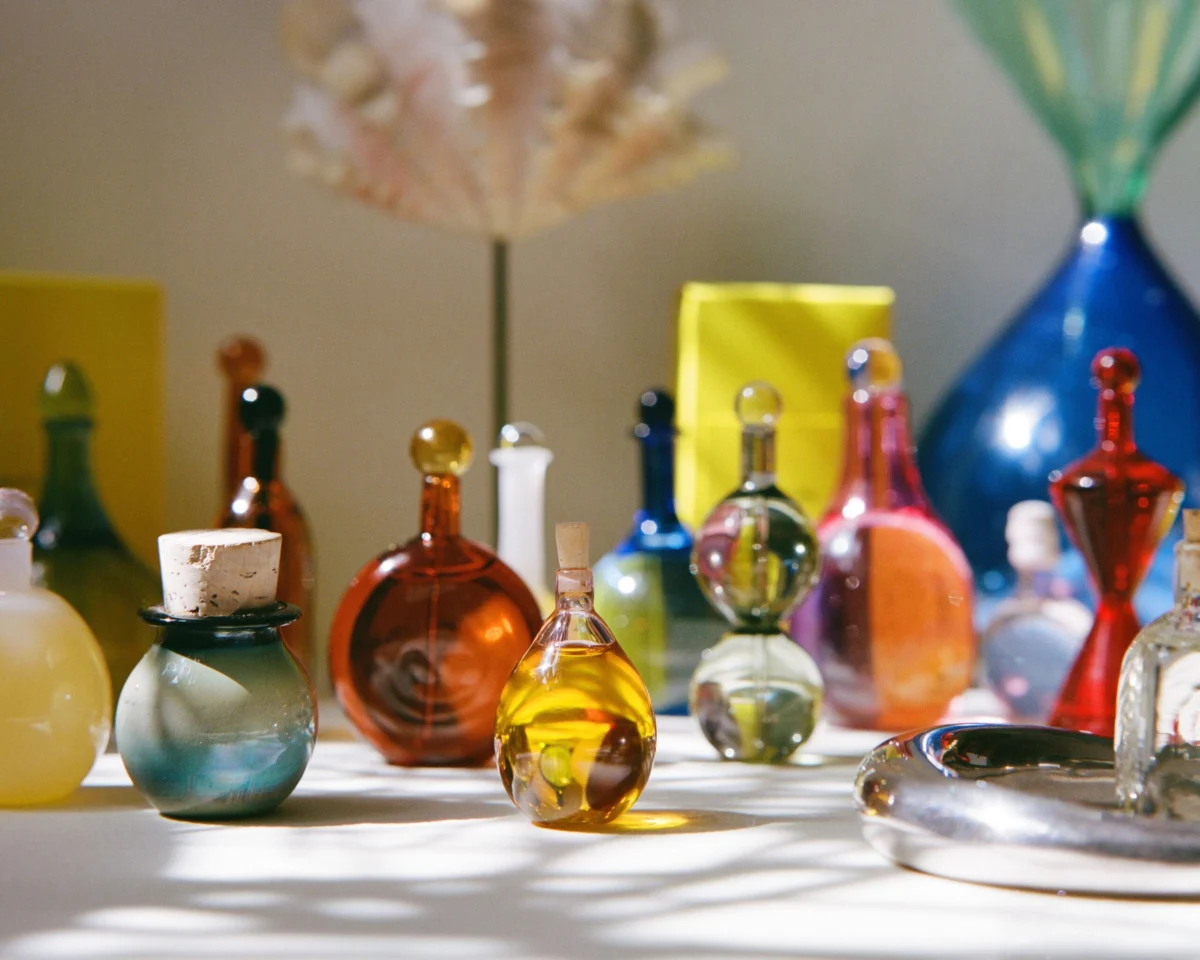
This aesthetic extends to the physical design of the products. Gamine utilizes durable rubber materials and weighted glass, employing an industrial design language that mirrors the borough’s architecture. Similarly, the brand Kindred Black, founded by Alice Kindred Wells and Jennifer Black Francis, operates out of a light-filled Gowanus studio where they prioritize "the humanity in craft." Their bottles are hand-blown by artisans, unmarked by logos, and designed to function as pieces of art rather than disposable commodities.

Identity, Immigrant Heritage, and the De-Centering of Europe
Perhaps the most significant impact of the Brooklyn fragrance scene is its role in diversifying the industry. For decades, the "prestige" fragrance market was dominated by a specific Western European perspective. Brooklyn’s artistic openness has allowed first- and second-generation immigrants to reclaim their olfactory heritage.
Tanaïs, an award-winning author and the founder of Studio Tanaïs, views perfumery as a practice of "transmutation." As the child of Bangladeshi immigrants, Tanaïs uses Brooklyn as a base to introduce notes that are often "alien" to mainstream Western noses. These include mitti attar (the scent of wet earth) and betel leaf. By elevating these traditionally South Asian notes into high-end perfumery, Tanaïs and others are performing what they describe as a "revolutionary act" of cultural reclamation.

Similarly, The New Savant, based in Gowanus, pushes back against heteronormativity and Eurocentrism. Founders Ingrid Nilsen and Erica Anderson craft scents that evoke "Sapphics in the City" or the smell of steamed jasmine rice and roasted sesame. This shift is reflected in consumer data; according to market research, the "niche" and "artisanal" fragrance segments have seen a Compound Annual Growth Rate (CAGR) of approximately 8% to 10% over the last five years, significantly outperforming the stagnant growth of traditional "celebrity" or "designer" scents. Consumers are increasingly seeking out brands that offer a sense of place and personal identity over mass-market appeal.
Sustainability and the Ethical Mandate
The Brooklyn movement is also defined by a proactive stance on environmental responsibility. Brands like Ellis Brooklyn, founded by beauty journalist Bee Shapiro, have become pioneers in the "clean fragrance" space, securing placements in major retailers like Sephora. This success has forced the broader industry to reconsider ingredient transparency and safety.

In Gowanus, Kindred Black has taken this a step further by disregarding traditional marketing strategies in favor of ethical, low-impact business practices. They forgo plastic and non-biodegradable packaging, opting for recycled boxes printed with vegetable and soy inks. "People want to be connected to the humanity in craft," Wells explains. By knowing every person in their supply chain—from the glassblower to the blossom picker—these brands are responding to a growing consumer demand for "slow beauty."
The Ecosystem of Collaboration
The success of these brands is not isolated; it is the result of a dense ecosystem of local support. The creative cabal surrounding Melanie Dir included prominent figures like Ryan McGinley and Rashid Johnson, who participated in informal "sniff tests" to help refine the brand’s identity. This culture of collaboration extends to the hospitality sector. Lindsay Silberman, founder of Hotel Lobby, built much of her brand within the lobby of the Hoxton Hotel in Williamsburg.

Even the local flora contributes to the global market. David Seth Moltz of D.S. & Durga famously studied a specific linden tree at the corner of Jefferson and Bedford Avenues in Bed-Stuy. That single tree became the inspiration for a fragrance accord used in the luxury amenity products for The Carlyle, A Rosewood Hotel, in Manhattan. This illustrates the "Brooklyn effect": local, street-level observations being elevated to the heights of global luxury.
Navigating the Fragrant Trail: A Retail Chronology
For those seeking to experience this movement firsthand, the retail landscape in Brooklyn has evolved into a curated trail of discovery.

- Stèle (Williamsburg): Located on Bedford Avenue, this "temple of niche perfumery" was co-founded by a professional stone mason. It serves as a launchpad for undiscovered brands like Gabar and Kismet Olfactive, emphasizing the "sillage" or scent trail left by unique compositions.
- Scent Bar (Williamsburg): The Brooklyn outpost of Luckyscent, this location acts as a bridge between the niche and the established, offering a curated selection that includes both Brooklyn locals and international heavyweights like Amouage and Creed.
- Olfactory NYC (Williamsburg): This space democratizes the process of perfumery, allowing visitors to act as "perfumer for an hour" by layering unique accords onto core fragrances created by top industry professionals.
- Apotheke (Red Hook): Specializing in home fragrance, this studio offers candle-pouring classes that emphasize the technical side of blending and pouring, further cementing the borough’s reputation as a center for olfactory education.
Broader Implications and Industry Outlook
The rise of Brooklyn as a fragrance hub signifies a permanent shift in how luxury is defined. It is no longer solely about heritage or price point; it is about authenticity, transparency, and the ability to tell a compelling story. As Melanie Dir notes, scent was part of Brooklyn’s identity long before the independent brands arrived—carried by the African oils and incense vendors who have populated the streetscape for decades.
The current movement has simply codified and elevated this existing sensory identity. As the global fragrance market continues to move toward personalization and ethical production, the "Brooklyn model"—characterized by industrial aesthetics, immigrant perspectives, and a refusal to remove the "rough edges"—is likely to become the new standard for the industry at large. The borough has proven that you don’t need a centuries-old French pedigree to create a masterpiece; sometimes, all you need is a brownstone, a Jeep, and the unfiltered air of a New York summer.

0 Comments