
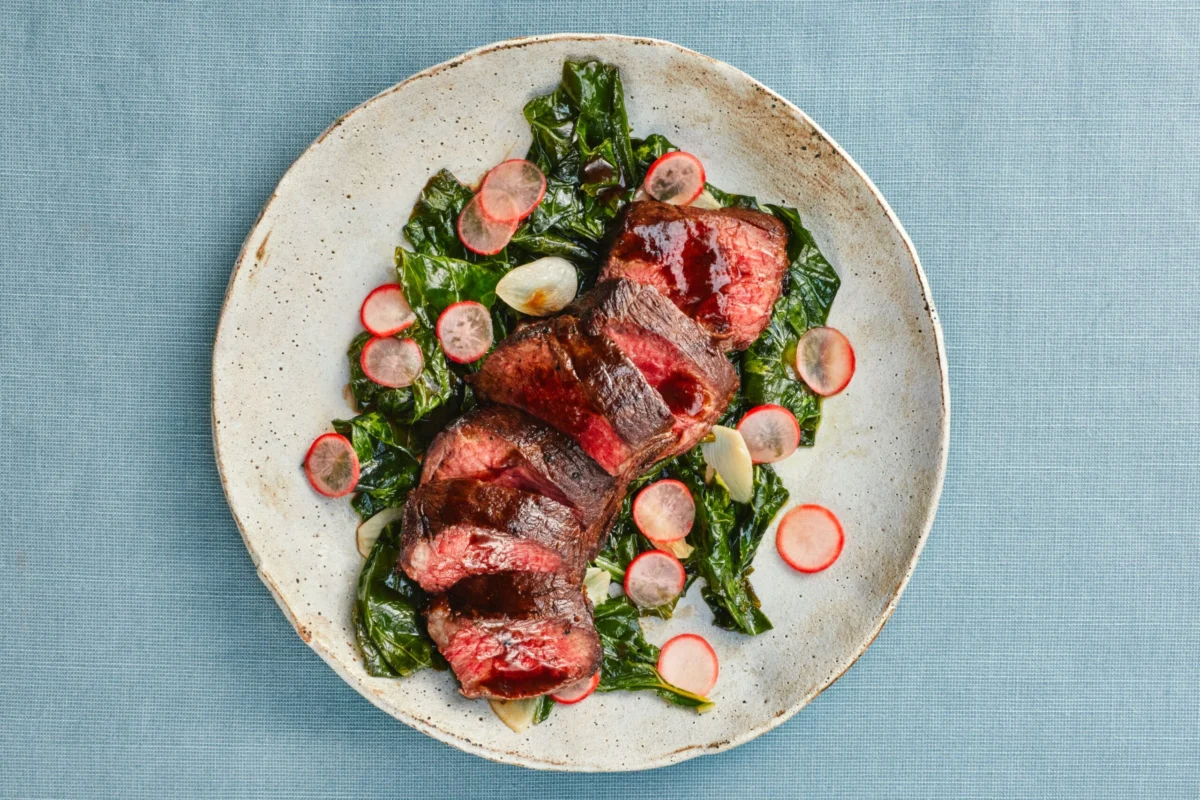
In an era where solo living is increasingly common, with nearly 30% of American households now comprising just one person, the culinary landscape is shifting to accommodate the needs and desires of the individual diner. Bon Appétit’s "Me, Myself, and Dinner" series, which champions recipes designed exclusively for one, highlights a significant trend: the demand for satisfying, high-quality meals that cater to a single palate. This movement is not merely a response to demographic changes but also a reflection of evolving attitudes towards food, self-care, and the art of enjoying one’s own company. At the heart of this culinary exploration lies an unlikely hero: the boneless short rib, a cut of beef that is proving to be remarkably versatile and accessible for the solo cook.
The Rise of the Solo Diner and the Quest for Quality
The demographic shift towards single-person households is a well-documented phenomenon. Data from the U.S. Census Bureau consistently shows an upward trend in individuals living alone, a pattern influenced by factors such as later marriage ages, increased divorce rates, and a growing preference for independent living. This has created a substantial market segment previously underserved by traditional recipe formats, which overwhelmingly cater to families or groups.
The "Me, Myself, and Dinner" initiative, launched by Bon Appétit, directly addresses this gap. The core philosophy is that a meal for one should be an occasion, not an afterthought. It emphasizes the potential for elevated dining experiences, even when cooking for a singular appetite. This approach challenges the perception that cooking for oneself is inherently less rewarding or more difficult than cooking for others. Instead, it reframes solo dining as an opportunity for culinary exploration, personal indulgence, and mindful eating.
Boneless Short Rib: The Unsung Hero of the Single Serving
The boneless short rib, often found under alternative names such as Denver steak or zabuton, is emerging as a prime candidate for the solo diner’s repertoire. Its appeal lies in a confluence of factors: affordability, exceptional flavor, and remarkable textural versatility. Unlike some premium cuts that command exorbitant prices, boneless short rib offers a more accessible entry point into high-quality beef. This economic advantage is crucial for consumers seeking to enjoy restaurant-quality meals at home without a significant financial outlay.
From a culinary perspective, the boneless short rib punches well above its weight class. Its marbling, often more consistent and generous than that of other cuts, contributes to a rich, buttery texture and deep, satisfying flavor. It offers a firmness that, when cooked to medium or medium-rare, provides a delightful chew, reminiscent of a perfectly seared steak. Yet, its inherent tenderness also allows it to transform beautifully when braised, yielding a succulent, shreddable meat that is both comforting and luxurious.
Technically a cut from the chuck or shoulder primal, the boneless short rib functions similarly to the meat portion of bone-in short ribs, but without the bone, making it more convenient and less wasteful for single servings. This convenience factor cannot be overstated for the solo cook who may not wish to deal with larger, bone-in cuts.
Alternatives and Synergistic Ingredients
While the boneless short rib stands out, the "Me, Myself, and Dinner" ethos also encourages exploring other single-serve steak options. Cuts like picanha, also known as sirloin cap steak, or even a well-selected, smaller New York strip steak, can serve as excellent alternatives, offering a similar steakhouse experience in a more manageable portion size. The key is to identify cuts that deliver maximum flavor and texture in a single serving.
Beyond the protein, the series also advocates for the strategic use of flavor enhancers that can elevate simple dishes. Instant dashi powder, for instance, is presented not just as a soup base but as a potent umami booster for a wide array of dishes. This granulated form of dashi, a traditional Japanese broth ingredient, offers a concentrated burst of savory depth that can rival the complexity of slow-simmered broths or the intensity of anchovies.
The versatility of instant dashi powder extends to dressings, sauces, braises, and, naturally, seafood preparations. Its granulated form means it can be added directly to dishes a pinch at a time, much like salt or bouillon paste, eliminating the need for prior reconstitution with water. This practicality aligns perfectly with the solo cook’s need for efficient and impactful flavor development. Its ability to impart umami without solely relying on salt makes it an indispensable tool for achieving balanced and nuanced flavor profiles.
The Culinary Philosophy of Solo Dining
The "Me, Myself, and Dinner" concept is more than just a collection of recipes; it’s a philosophy that champions the act of cooking and eating for oneself as a form of self-care and enjoyment. In a society that often emphasizes communal dining, this series provides a counter-narrative, celebrating the quiet satisfaction of preparing and savoring a meal alone.
This approach recognizes that individuals living solo have diverse dietary needs and preferences. A recipe designed for one can be perfectly tailored to an individual’s taste, allowing for customization without the compromises often necessary when cooking for multiple people with differing palates. It encourages a more intimate relationship with food, fostering an appreciation for ingredients and the cooking process itself.
Broader Implications for the Food Industry
The growing focus on solo dining has significant implications for the food industry. Grocers are beginning to respond by offering smaller portion sizes of produce, meats, and other staples, reducing waste for single-person households. Meal kit services are also adapting, with more options for one or two people.
Furthermore, the emphasis on quality ingredients and sophisticated cooking techniques for solo diners suggests a potential shift in consumer expectations. As more individuals become accustomed to preparing and enjoying high-quality meals at home, the demand for premium ingredients, innovative cooking tools, and culinary education tailored to the individual is likely to grow. This could lead to a diversification of product offerings and marketing strategies within the food sector, catering more specifically to the evolving needs of the solo diner.
A Culinary Revolution for the Individual
The trend towards solo dining, championed by initiatives like "Me, Myself, and Dinner," is more than a fleeting culinary fad; it represents a fundamental shift in how we approach food and our relationship with it. The boneless short rib, with its exceptional balance of affordability, flavor, and versatility, stands as a testament to the potential for elevated dining experiences, even for the solo cook. Paired with intelligent flavor enhancers like instant dashi powder, these individual meals can be as complex and satisfying as any shared feast.
As demographic trends continue to favor single-person households, the culinary industry’s response will be crucial. By embracing the needs of the solo diner, food manufacturers, retailers, and restaurateurs can tap into a growing market segment and foster a culture where cooking for oneself is not just a necessity, but a celebrated act of self-indulgence and culinary discovery. The future of dining, it seems, is increasingly personal.

0 Comments