
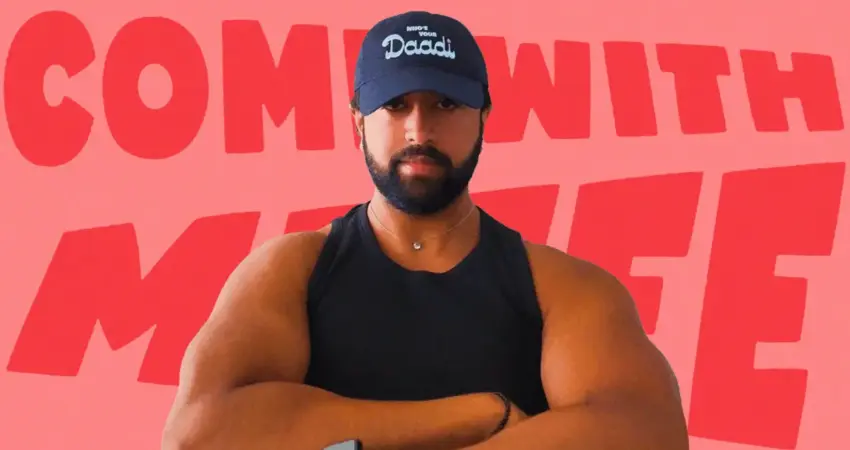
In the hyper-saturated world of consumer product goods (CPG) launches, a well-trodden path to market typically involves a significant investment in influencer marketing. This strategy often entails sending thousands of dollars worth of product to social media personalities in hopes of generating buzz and driving sales. However, Jay, a co-founder of the family-owned popcorn brand Daadi Snacks, has audaciously defied this playbook, catapulting his company into the digital spotlight not by embracing the influencer culture, but by humorously critiquing its excesses.
From Family Recipe to Viral Sensation
The genesis of Daadi Snacks is rooted in a cherished family tradition. Jay, who prefers to maintain his privacy online, recounted how his grandmother’s popcorn was a staple throughout his childhood. While the idea of commercializing this beloved family recipe had been discussed intermittently, it remained largely an unrealized concept. The seismic shift brought about by the COVID-19 pandemic provided the impetus to transform this long-held aspiration into a tangible reality.
"When COVID hit, I was working remotely, and we were just looking for ways to stay in touch with my grandparents, my mom, my uncles," Jay explained. "I brought it up to them. ‘Why don’t we use this time inside to actually start working on this?’" This period of enforced proximity and shared purpose allowed the family to collaboratively refine the popcorn recipe. Jay took charge of the marketing, branding, and promotional aspects, while other family members focused on perfecting the product. This dedicated two-year period of iteration, from 2020 to 2022, culminated in the development of their initial two distinct flavors.
Subverting the CPG Launch Strategy
The conventional approach to launching CPG brands on social media often involves creating aesthetically pleasing reels and TikToks showcasing behind-the-scenes operations, hosting pop-up events, and, crucially, leveraging influencer endorsements. This model, however, was precisely what Jay sought to dismantle. Instead of aligning with the established influencer ecosystem, he opted for a radical counter-narrative.
Jay began creating viral videos that parodied the often-ostentatious and, in his view, inauthentic behavior of popular influencers. His signature style involves adopting exaggerated tones and phrases commonly used by these personalities, such as opening with an enthusiastic "OH MY GODYOU GUYS" or a nasally "Come with me…" He then proceeds to humorously critique or "skewer" specific influencer tropes, exemplified by a popular video that satirized an American tourist’s outlandish demands at an Italian coffee shop, contrasting it with the local cultural norms.
This distinctive approach has resonated profoundly with a vast online audience. Daadi Snacks has garnered an impressive following of over 929,000 users on Instagram, a testament to the effectiveness of Jay’s unconventional strategy. Ironically, in his pursuit of deconstructing influencer culture, Jay has himself become a prominent influencer, albeit one with a decidedly different ethos. This newfound status is particularly noteworthy given that he did not even possess an Instagram account until 2022.
The Anti-Influencer as a Force for Good
Jay articulates a clear mission to leverage his burgeoning platform for positive impact, aspiring to become "the Keith Lee of New York City." His objective is to spotlight businesses and establishments that often fly under the radar, particularly those that have been a part of the city’s fabric for decades but lack the polished online presence to attract wider attention. This vision extends beyond mere brand promotion, aiming to foster a more authentic and inclusive digital landscape.
"Having lived in New York City for so long and observing the way it’s changed over the last ten years, I had a longer-term vision," Jay stated. "If I can build my own platform to market our snacks and our business, why can’t I use that to try to be like the Keith Lee of New York City? Not to the extent of what he’s done, but just promoting places that typically don’t get promoted. Places that have been around for 30 or 40 years, whose storefront isn’t super aesthetic, with Gen Z fonts."
A Calculated Rejection of Traditional Partnerships
The decision to eschew traditional influencer collaborations was a deliberate one. Jay confirmed that Daadi Snacks has never reached out to influencers for partnerships, nor has he responded to overtures from them seeking samples or collaborations. This stance is a direct consequence of his initial experiences.
"I didn’t get on Instagram until 2022! I never had one before then," Jay revealed. "There was one specific well-known food influencer—I’ve made a video about them—and I think I had a pretty terrible interaction with them. So I just thought, why don’t I just start posting and stop relying on other people to shout us out? That’s how I kind of landed on that."
This personal encounter, coupled with a keen observation of the influencer market, fueled his decision to forge his own path. He believes that by building his own substantial audience, he can effectively market his brand without compromising his integrity or resorting to tactics he finds disingenuous.
The Inflection Point: A Viral Spark

While Daadi Snacks experienced steady, albeit slow, growth prior to Jay’s social media intervention, a significant surge in orders occurred in June 2023, with "hundreds and hundreds of orders come in within like two days." This dramatic increase in demand coincided with the release of a video where Jay explicitly named the influencer who had inspired his critique of influencer culture. This personal revelation, coupled with the compelling narrative behind his anti-influencer stance, proved to be a pivotal moment.
"I think the inflection point was when I made a video naming who it was that influenced me to start posting videos about not liking influencer culture," Jay explained. "When I did that and people heard the story, that’s when we went from around 70,000 to over 130,000 or 140,000 followers in a week or two." This period marked a dramatic acceleration in follower growth, transforming the brand’s online presence almost overnight.
Analyzing the Appeal of Counterculture
The overwhelming positive reception to Jay’s content suggests a broader societal fatigue with the perceived artifice of influencer marketing. In a bustling metropolis like New York City, where trends emerge and evolve at a rapid pace, there appears to be a palpable demand for authenticity and a pushback against the often-curated and aspirational narratives peddled by many online personalities.
"In New York City, it just feels like there’s this need for some degree of counterculture," Jay observed. "It’s been so overwhelming in terms of the growth of these NYC-based influencers with millions of followers, just drowning in brand deals. I think people have felt the need to push back on it for a while."
Furthermore, Jay’s sharp dissection of influencer content highlights a disconnect between the aspirational lifestyles portrayed and the realities of many New Yorkers. He suggests that while this content might appeal to those who aspire to live in the city, it often fails to resonate with actual residents. This critique echoes broader discussions about the commodification of urban identity and the creation of idealized, often unattainable, urban archetypes.
"I think for a lot of the NYC influencers, their content doesn’t connect super well with people who actually live here—but it can connect really well with people who aspire to live here," Jay commented. "There was this article about how this has been a very mechanical way of repurposing the whole Carrie Bradshaw thing, selling people on a manicured, aspirational idea of being a West Village girl. New York doesn’t need influencers to find great food."
Defining the Content Creator vs. Influencer Divide
Jay’s perspective on the distinction between a "content creator" and an "influencer" is sharp and clear. He views influencers as primarily operating within a self-perpetuating cycle of brand deals, where their content is a vehicle for marketing products, which in turn generates more opportunities for brand endorsements. This model, he argues, has seen unchecked growth, particularly in the post-COVID era, with many CPG brands scaling rapidly without a commensurate increase in genuine effort or authentic connection.
"To me, an influencer’s content basically just revolves around a perpetual cycle of brand deals, which they then market to their viewers, which then propels them to get more brand deals, and so on," Jay stated. "Honestly, I feel like because we’ve been on this ridiculous post-COVID run. Beauty brands have so much money, and a lot of these CPG brands have scaled so fast—it’s just been unchecked. People haven’t had to put in the effort."
Crucially, Jay maintains a strict policy of rejecting unsolicited offers for reviews or free products, emphasizing his commitment to genuine endorsement. "I make it a point to never go anywhere that DMs me and asks me to review their stuff. It’s crazy some of the stuff you get offered once you build any kind of following. But I’ve never taken PR, never taken free stuff. I’m very clear about where I stand on all that." This commitment to transparency and independence forms the bedrock of his online persona and his brand’s integrity.
The Impromptu Creation Process
The genesis of Jay’s satirical videos is often spontaneous, driven by a strong personal conviction and a desire to voice his opinions. He describes his creative process as immediate and unpolished, reflecting the authenticity he champions.
"I’m very opinionated, and I legitimately feel like I’m right," Jay explained. "I pick up my phone, stop everything I’m doing, and record my 30-second video in my office chair in the same crappy apartment lighting." This unpretentious approach, devoid of elaborate production, further enhances the relatability and perceived authenticity of his content, distinguishing it from the meticulously crafted presentations of many mainstream influencers.
Broader Implications and Future Trajectory
Jay’s success with Daadi Snacks and his anti-influencer persona signifies a potential shift in how CPG brands approach digital marketing. His strategy demonstrates that a strong, authentic voice and a willingness to challenge prevailing norms can be more effective than simply adhering to established influencer marketing models. The implications of his approach extend beyond his own brand, potentially inspiring a more critical and discerning engagement with online endorsements across the board.
The rapid growth of Daadi Snacks, fueled by Jay’s unique content, suggests that consumers are increasingly seeking genuine connections and are receptive to brands that demonstrate self-awareness and a commitment to authenticity. As Jay continues to champion local businesses and critique the excesses of influencer culture, his journey with Daadi Snacks serves as a compelling case study in the power of unconventional marketing and the enduring appeal of genuine human connection in the digital age. His ambition to be the "Keith Lee of New York City" suggests a future where social media can be a powerful tool for community building and the elevation of overlooked narratives, all while selling a delicious family recipe. The long-term impact of this approach on the broader influencer marketing landscape remains to be seen, but Jay has undoubtedly carved out a significant and influential niche.

0 Comments