
The humble marinated artichoke, often relegated to the appetizer platter or a mere garnish, is emerging as a culinary powerhouse for home cooks seeking efficiency and flavor. In a culinary landscape increasingly valuing speed without sacrificing taste, this convenient pantry staple offers a bright, tangy, and texturally satisfying shortcut to elevating a wide array of dishes. This exploration delves into the multifaceted utility of marinated artichokes, drawing on insights from culinary professionals and highlighting their transformative potential in everyday cooking.
The Allure of the Jarred Artichoke
The artichoke, in its fresh, unadorned state, presents a culinary challenge. Its formidable, scale-like leaves and the notoriously difficult-to-remove "choke" require significant preparation. The raw vegetable’s vegetal and buttery notes, while appealing, demand a commitment of time and effort to render edible. This inherent laboriousness is precisely what makes the jarred, marinated counterpart so attractive. These artichokes, already tenderized and infused with a briny, acidic marinade, bypass the arduous preparation, offering immediate culinary gratification. Their inherent tanginess cuts through richness, their meaty texture adds substance, and their ready-to-eat nature makes them an invaluable asset for busy home cooks.
The appeal of marinated artichokes extends beyond their convenience; they represent a strategic culinary resource. The brine itself, often a complex blend of oil, vinegar, herbs, and spices, is a flavor elixir that can be repurposed, minimizing food waste and maximizing culinary impact. This dual utility—the artichoke hearts themselves and their flavorful marinade—underscores their value in a well-stocked pantry.
Culinary Adaptability: From Simple to Sophisticated
The versatility of marinated artichokes is perhaps their most compelling attribute. They seamlessly integrate into a spectrum of dishes, from quick pasta tosses to more elaborate baked goods. This adaptability is key to their rising prominence in everyday meal preparation.
Halfway-Homemade Galettes: A Culinary Masterpiece in Minutes

The concept of a "halfway-homemade" meal often strikes a chord with time-pressed individuals. Marinated artichokes are perfectly suited to this philosophy, particularly in the creation of galettes. While a fully from-scratch galette can be a weekend project, incorporating jarred artichokes drastically simplifies the process.
Rebecca Firkser, an editor in Bon Appétit’s Test Kitchen, champions this approach. She notes that a last-minute galette can be a "specialty" for any home cook, and marinated artichokes are an ideal addition. A full recipe might involve a simple cream cheese filling, the artichokes, and complementary vegetables like asparagus, topped with a vinaigrette-dressed arugula. However, Firkser suggests a more streamlined method: tossing the artichokes with any available vegetables, a few spoonfuls of their marinade, and perhaps some grated Parmesan cheese, all encased in a store-bought puff pastry crust. This pragmatic adaptation transforms a potentially time-consuming dish into an achievable weeknight wonder. The visual appeal of a golden-brown galette, studded with tender artichoke pieces, belies its effortless preparation, making it a crowd-pleasing option for impromptu gatherings or simple family dinners.
Briny Potato Salad: A Tangy Twist on a Classic
Potato salad, a perennial picnic and barbecue favorite, often relies on creamy dressings. However, a vinaigrette-heavy, French- or German-style potato salad provides a different, equally satisfying profile. Marinated artichokes offer a brilliant way to inject a bright, briny acidity into this more delicate rendition.
Hana Asbrink, deputy food editor, highlights her affection for potato salad and the transformative power of marinated artichokes within it. She recommends adding chopped marinated artichokes and their accompanying brine to freshly cooked potatoes. The warm potatoes eagerly absorb the flavorful liquid, infusing them with a complex tanginess. While standard marinated artichokes suffice, Asbrink notes that grilled marinated artichokes, often found at specialty stores like Trader Joe’s, offer an even more intensified flavor, their smoky notes complementing the earthy potatoes and zesty marinade. This simple addition elevates a familiar dish, offering a refreshing counterpoint to richer components of a meal. The inclusion of artichokes also adds a pleasing textural contrast, breaking up the softness of the potatoes.
Easy-Does-It Pasta: The Antipasto Pantry Powerhouse

Pasta dishes are synonymous with weeknight convenience, and marinated artichokes provide an instant upgrade to pantry-staple pasta meals. Emma Laperruque, Bon Appétit’s cooking director, extols the virtues of what she dubs "antipasto pantry pasta." This dish is a testament to the power of raiding the cupboard for salty, savory, and oily ingredients.
Laperruque’s strategy involves gathering items such as olives, capers, roasted peppers, sun-dried tomatoes, chickpeas, and, crucially, marinated artichokes. These ingredients are combined in a bowl while the pasta cooks, allowing the flavors to meld. The addition of mozzarella, if available, further enhances the dish. This approach, taking a mere 15 minutes from start to finish, consistently delivers a satisfying and flavorful meal. The marinated artichokes contribute not only their unique flavor but also a tender, slightly chewy texture that complements the pasta beautifully. The resulting dish is a vibrant medley of tastes and textures, embodying the essence of resourceful home cooking. The inherent acidity of the artichokes also helps to prevent the pasta dish from becoming too heavy, making it a balanced and appealing option.
Sheet-Pan Salmon: A Sophisticated 20-Minute Meal
For those seeking a more elegant yet equally swift dinner, marinated artichokes prove their worth in sheet-pan preparations. Joe Sevier, a senior editor specializing in SEO and cooking, describes a "fanciest 20-minute dinner" that features sheet-pan fish fillets nestled amongst burnished artichoke hearts.
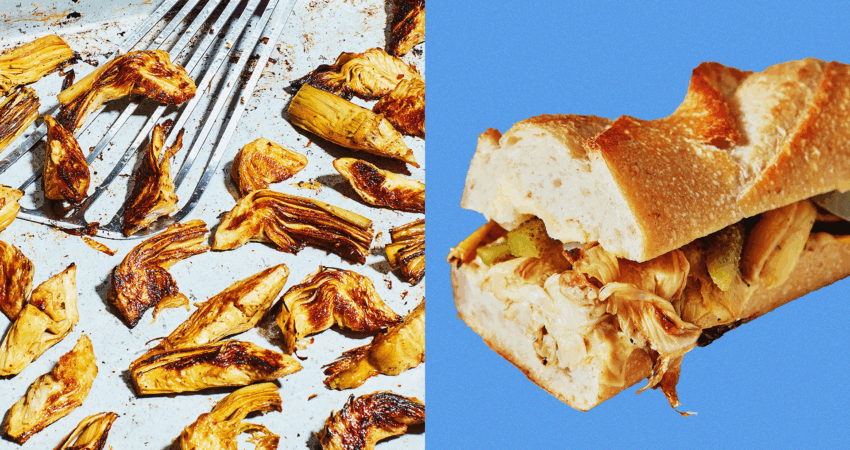
Sevier’s method involves brushing salmon or any available flaky white fish with some of the artichoke’s marinating juices, reserving the rest for a finishing drizzle. The drained artichokes are placed directly onto the same baking sheet. The entire ensemble is then roasted for approximately 15 minutes, yielding a complete and flavorful meal. The high heat of the oven caramelizes the edges of the artichokes, imparting a delightful crispness and intensifying their flavor. These crispy artichokes, Sevier notes, are also excellent for crafting vegetarian Italian-style deli sandwiches. This approach highlights the efficiency of sheet-pan cooking, where minimal cleanup is a significant bonus, and the marinated artichokes add a sophisticated layer of flavor and texture to a simple protein. The even cooking of both the fish and artichokes on the same pan ensures a cohesive and well-executed dish.
Ricotta Toast: A Simple Yet Elevated Appetizer or Light Meal

The humble toast can be transformed into something truly special with the right toppings, and marinated artichokes play a starring role in this culinary elevation. Nina Moskowitz, an associate editor in cooking, draws upon her past experience in a bakery to emphasize the importance of properly prepared ricotta.
Moskowitz loosely follows a recipe that involves whipping ricotta until smooth. This creamy base is then piled onto pan-fried toast, alongside sizzled artichokes and capers—two pantry staples she always keeps on hand. To further enhance the dish, she tops it with an herb salad, typically featuring basil and dill dressed in the artichoke’s brine. This practice of utilizing every last drop of flavor from the marinade underscores a commitment to minimizing food waste and maximizing culinary potential. The combination of creamy ricotta, tangy artichokes, crisp toast, and fresh herbs creates a delightful interplay of textures and flavors, making it an ideal appetizer or a light, satisfying meal. The acidity of the artichoke brine acts as a natural dressing for the herbs, tying the entire composition together.
Broader Implications and Market Trends
The increasing recognition of marinated artichokes as a versatile culinary ingredient reflects broader trends in consumer behavior and the food industry. The demand for quick, convenient, and flavorful meal solutions continues to grow, driven by busy lifestyles and a desire for home-cooked meals that don’t require extensive time or expertise. The "pantry-to-plate" movement, which emphasizes utilizing readily available shelf-stable ingredients, has also gained significant traction.
The market for marinated artichokes has seen steady growth, with manufacturers responding by offering a variety of flavor profiles and packaging formats. Consumers are increasingly looking for ingredients that can be used in multiple ways, a characteristic that marinated artichokes exemplify. Their ability to impart flavor, texture, and acidity makes them a valuable addition to a wide range of cuisines and cooking styles.
From a health perspective, artichokes are a good source of fiber and antioxidants. While the marinating process often involves oil and vinegar, many commercially available options are relatively low in calories and sodium, offering a nutritious component to meals. The growing awareness of these nutritional benefits, coupled with their culinary versatility, further contributes to their appeal.
The insights shared by culinary professionals at Bon Appétit are not isolated opinions but rather reflections of a growing culinary consciousness. The ease with which these editors integrate marinated artichokes into their cooking suggests a wider adoption by home cooks seeking practical and delicious solutions. This trend signifies a shift in how consumers perceive and utilize pantry staples, moving beyond their traditional roles to embrace them as key ingredients in creative and time-efficient meal preparation. The marinated artichoke, once a niche item, is now firmly establishing itself as an indispensable tool in the modern kitchen.

0 Comments