
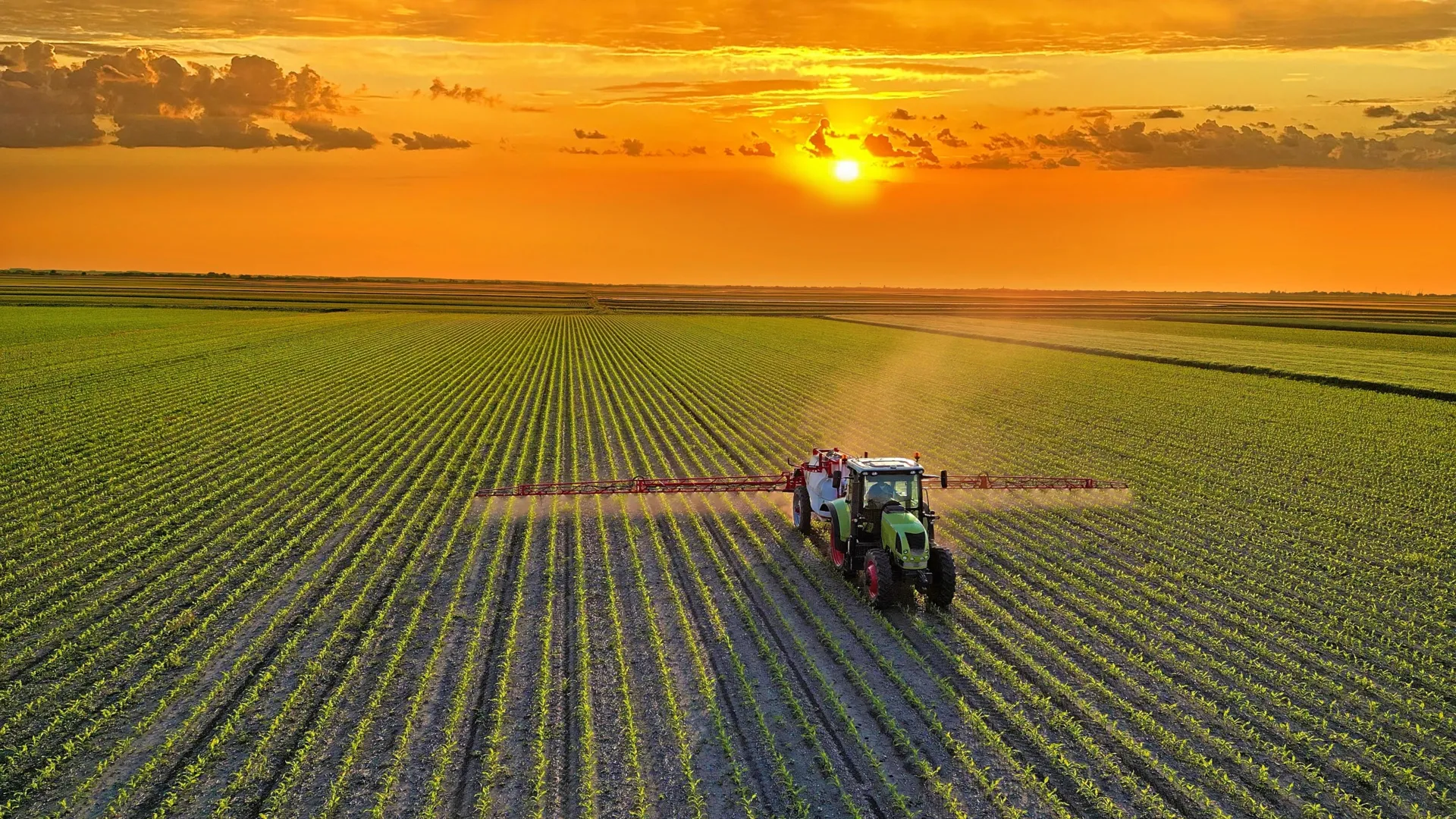
A monumental transformation of global food systems by 2050, driven by widespread adoption of healthier diets, more efficient agricultural practices, and a drastic reduction in food waste, could reshape global agriculture and land use patterns. New comprehensive modeling indicates that such a shift could lead to a significant decrease in the demand for certain food products, particularly those derived from ruminant animals, while simultaneously boosting the production of plant-based foods. This transition, while offering substantial benefits for public health and environmental sustainability, is also projected to cause significant economic disruption for farmers and agricultural industries worldwide, necessitating proactive policy interventions to manage the ensuing changes.
The Projected Landscape of 2050: A Paradigm Shift in Food Production
The core findings of the latest research, published in the esteemed scientific journal Nature, reveal a potential future where global farmland use could contract by as much as 6% compared to current trends. This projected reduction is a direct consequence of a more resource-efficient food system. Simultaneously, the economic landscape of food production is poised for a dramatic alteration. The total global value of livestock production is estimated to plummet by an astonishing 42%, translating to a reduction of approximately $630 billion when benchmarked against 2020 figures.
The most profound impact of this dietary and agricultural evolution is expected to be felt within the ruminant animal sector, encompassing beef cattle, sheep, and goats. By 2050, the global value of this segment of the industry could shrink by an estimated 70%, a staggering decline of $274 billion. This would correlate with a worldwide reduction of roughly 400 million ruminant animals compared to the numbers observed in 2020. This dramatic contraction underscores the significant environmental footprint associated with traditional meat production, particularly regarding land use, greenhouse gas emissions, and water consumption.
In stark contrast, the production of plant-based foods is projected to experience robust growth. The combined global value of vegetables, fruits, nuts, and legumes is anticipated to surge by 57%, an increase of $890 billion. Legumes, including staples like beans, peas, lentils, and chickpeas, are highlighted as particularly important. These crops are recognized for their high protein and fiber content and, crucially, for their significantly lower resource requirements for cultivation compared to many animal-based food sources. This shift towards plant-based protein sources aligns with recommendations for healthier and more sustainable dietary patterns.
The Genesis of the Research: Insights from the EAT-Lancet Commission
The robust modeling underpinning these projections originates from a collaborative effort involving researchers from the London School of Hygiene & Tropical Medicine (LSHTM), Cornell University, and ten other leading modeling teams. Their analysis is rooted in the framework proposed by the influential 2025 EAT-Lancet Commission, which advocated for a global transformation towards healthier diets and sustainable food production. The EAT-Lancet Commission, in its landmark report, emphasized the urgent need for a radical redesign of the global food system to nourish humanity while protecting the planet. This commission, a joint initiative of the EAT Foundation and The Lancet medical journal, brought together a diverse group of scientists and policymakers to address the interconnected challenges of diet, health, and sustainability.
The 2025 EAT-Lancet Commission report had previously concluded that a global transition to healthy diets could avert an estimated 15 million premature deaths annually. This statistic alone highlights the profound public health implications of dietary choices. Furthermore, earlier research has quantified the staggering "hidden costs" of the global food system, estimated to be between $10 trillion and $20 trillion each year. These costs, not reflected in retail prices, encompass a wide range of societal burdens, including escalating healthcare expenses due to diet-related diseases, environmental degradation, lost economic productivity, and other externalities. The overwhelming majority of this estimated burden has been directly linked to unhealthy dietary patterns.
Unveiling the Multifaceted Benefits: Health and Climate Imperatives
The projected transformation of food systems promises not only to revolutionize agriculture but also to yield substantial benefits for human health and the global climate. The modeling indicates a significant reduction in agriculture-related net CO2 emissions stemming from land-use change. By 2050, these emissions are predicted to be a remarkable 85% lower than their 2020 levels. Land-use change, a major driver of greenhouse gas emissions, involves activities such as deforestation, grassland conversion, and wetland drainage for agricultural expansion. These processes release vast quantities of stored carbon into the atmosphere. Net emissions, in this context, account for both the carbon released and any carbon sequestered through subsequent land-use modifications.
The link between dietary shifts and climate action is increasingly recognized. A global move towards more plant-centric diets, as advocated by the EAT-Lancet framework, directly reduces the demand for livestock, a sector with a high carbon footprint. Lower demand for meat and dairy translates to less land required for grazing and feed production, thereby mitigating deforestation and habitat destruction. Furthermore, the cultivation of plant-based foods, particularly legumes and certain vegetables, can often contribute to improved soil health and carbon sequestration.
Navigating the Economic Crossroads: Challenges and Opportunities for Farmers
The envisioned transformation of global food systems, while promising for health and the environment, presents a significant disruptive force for millions of farmers and food producers. Dr. Matt Gibson, the lead author of the study, who initiated the research at Cornell University before joining LSHTM, underscored the dual nature of these findings. "Transforming food systems would deliver enormous potential benefits to our health and the environment but, as our results make clear, they would also lead to fundamental changes to global agriculture and affect the lives of millions of farmers and food producers," Dr. Gibson stated.
He further emphasized the need for decisive governmental action. "Rather than using these results as an excuse for inaction, it’s critical that governments rise to the challenge and make difficult decisions for the good of our health and the planet. This means confronting powerful groups that profit from the status quo and a global food system that currently fails both those who produce our food and those who should be nourished by it."
The implications extend beyond mere agricultural adjustments; they signify sweeping economic recalibrations. Some agricultural sectors are projected to shrink, while others are poised for expansion. This necessitates a strategic approach to economic diversification within agricultural communities.
Daniel Mason-D’Croz, a co-author of the study from Cornell University, offered a nuanced perspective on the utility of such foresight modeling. "We should consider these scenarios not as a forecast of what will happen, but as a useful early guide of where challenges and opportunities may arise. Which sectors would need to contract, and which would need to expand. A transformation of this magnitude cannot begin in 2050. Foresight modeling like that highlighted in this study is a valuable tool to inform actions today for more sustainable, healthy, and just food systems tomorrow."
Foresight modeling, as employed in this research, is a critical tool for exploring potential futures. By systematically testing different assumptions and scenarios, researchers can identify emerging economic disruptions, potential policy hurdles, and new avenues for innovation and growth. This proactive approach allows for better preparedness and strategic planning in the face of complex, long-term societal shifts.
Uneven Impacts: Regional Variations in the Agricultural Transition
The economic repercussions of this food system transformation are not expected to be uniform across the globe, with significant variations anticipated between countries and regions. These differences are shaped by a complex interplay of factors, including existing farming systems, prevailing dietary habits, production costs, land availability, trade dynamics, and the predominant types of food produced in each area.
In the United States, the total value of agricultural production is projected to decline by 21%, or $76 billion, by 2050 compared to 2020 levels. However, within this overall decline, the value of US crop production is anticipated to increase by 20% ($40 billion), while the livestock sector is set for a substantial contraction, with its value falling by 73% ($116 billion). This indicates a potential shift in focus within American agriculture towards plant-based commodities.
India presents a contrasting scenario. Its total agricultural production value is projected to rise by a substantial 46% ($198 billion). This growth is largely driven by an impressive 65% increase in crop production value ($208 billion), while its livestock sector is expected to experience a comparatively modest decline of 8% ($10 billion). This suggests that India’s agricultural sector may be better positioned to absorb the transition, with strong growth in crop cultivation compensating for any shifts in livestock demand.
Europe, on the other hand, is anticipated to see a more pronounced overall decline in agricultural production value, estimated at 35% ($190 billion). European crop production value could decrease by 8% ($22 billion), and its livestock sector is projected to face a significant downturn, with a fall of 66% ($168 billion). These figures reflect the strong reliance of many European agricultural systems on livestock, making them more vulnerable to the projected dietary shifts.
The Complexities of Dietary Change: Beyond Consumer Preference
A crucial assumption underpinning the researchers’ modeling is a "costless consumer preference shift" towards healthy diets. This implies that consumers willingly alter their eating habits to embrace healthier options without significant financial, cultural, or practical barriers hindering their choices. However, the researchers themselves acknowledge that this is a simplification of a far more complex reality.
In practice, the accessibility and affordability of healthy foods can vary dramatically across different regions and socioeconomic groups. Dietary choices are deeply ingrained in local traditions, shaped by personal preferences, influenced by income levels, and constrained by the availability of certain foods. Broader cultural attitudes and societal norms also play a significant role in shaping what people eat. Therefore, achieving a widespread transition to healthy diets will necessitate addressing these multifaceted challenges.
The authors of the study emphasize that their scenarios represent only a selection of numerous possible future pathways. Further in-depth research is essential to explore alternative trajectories, including those influenced by different policy interventions, varying economic conditions, and diverse patterns of consumer behavior.
Ultimately, the researchers contend that bold policy decisions made in the present are crucial to safeguarding vulnerable food producers and consumers as the global food system navigates its transition towards healthier and more sustainable diets. Without careful and strategic planning, the undeniable benefits of this transformation could be undermined by severe economic disruption for communities heavily reliant on sectors expected to contract, particularly those involved in livestock production. This underscores the imperative for governments and international bodies to proactively develop support mechanisms and transition strategies to ensure a just and equitable shift towards a more sustainable global food future.

0 Comments