
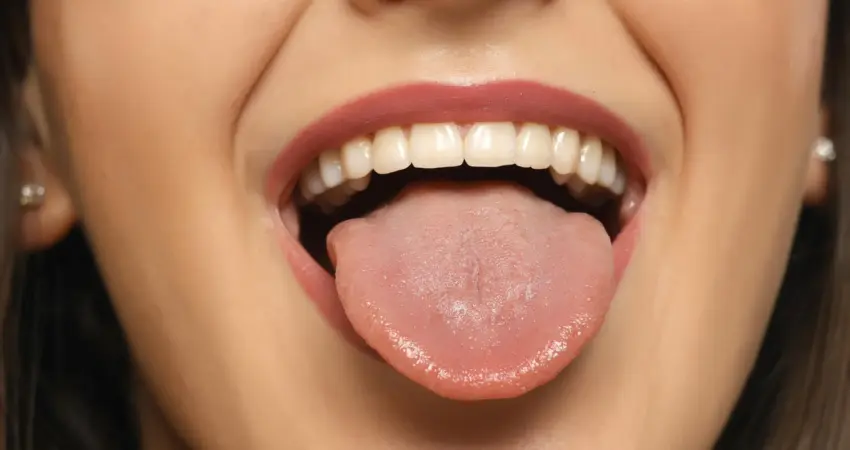
Scientists have uncovered changes inside taste buds that may help explain why some people struggle to taste food more than a year after recovering from COVID-19. The findings point to disruptions in the molecular signals responsible for detecting certain flavors, along with physical abnormalities in the structure of taste buds. This groundbreaking research, published in the esteemed journal Chemical Senses, provides the first direct biological evidence connecting the persistent taste problems reported by a subset of COVID-19 survivors to measurable, quantifiable alterations within their taste cells.
The Pervasive Mystery of Post-COVID Dysgeusia
The COVID-19 pandemic, which rapidly spread across the globe starting in late 2019, introduced a myriad of symptoms, some of which proved surprisingly persistent. While fever, cough, and fatigue were widely recognized, a significant and often distressing symptom for many was the alteration or complete loss of taste and smell. Initially, these sensory deficits were often temporary, resolving within weeks or months as the body cleared the virus. However, a notable percentage of individuals continued to experience these disturbances for an extended period, leaving them with a diminished quality of life and challenges in enjoying food. This phenomenon, known as post-viral dysgeusia, became a growing concern for healthcare professionals and patients alike, with many cases persisting well beyond the typical recovery timeline.
Unraveling the Biological Basis: A Deeper Dive
To address this lingering mystery, a collaborative effort involving researchers from the University of Colorado Anschutz and two leading Swedish universities embarked on a detailed investigation. The study focused on a cohort of 28 individuals who had experienced taste disturbances for more than a year following their COVID-19 infection. Crucially, none of these participants had required hospitalization for their illness, suggesting that these persistent sensory issues could affect even those with milder initial presentations of the virus.
The initial assessment involved a series of taste tests designed to evaluate the participants’ ability to detect and distinguish various flavor profiles. The results revealed a significant divergence in sensory perception. A notable eight out of the 28 participants exhibited clearly abnormal taste scores, indicating a widespread impairment. Furthermore, eleven individuals reported specific difficulties in detecting certain fundamental tastes, most prominently sweet, bitter, and umami – the complex, savory taste often described as the essence of broths, mushrooms, and aged cheeses. In stark contrast, their ability to perceive salty and sour flavors remained largely unaffected, presenting a peculiar and specific pattern of sensory loss.
The Molecular Deficit: A Key Player Identified
Driven by the unusual pattern of taste impairment, the research team proceeded to collect small tissue samples from the taste buds of 20 participants. This microscopic examination aimed to uncover any underlying biological abnormalities that could explain the observed sensory deficits. The findings were significant, pointing towards a specific molecular defect within the taste receptor cells.
The research, spearheaded by Göran Hellekant, PhD, affiliated with both the University of Wisconsin and the Swedish University of Agricultural Sciences, identified a reduction in the messenger RNA (mRNA) responsible for the production of a critical protein known as PLCβ2. This protein is not merely a passive component; it plays an absolutely essential role in the intricate process by which taste receptor cells communicate their findings to the brain.
The Amplification Mechanism: How PLCβ2 Works
Thomas Finger, PhD, a professor of cell and developmental biology at the University of Colorado Anschutz and the corresponding author of the study, elaborated on the function of PLCβ2. He described it as acting "like a molecular amplifier inside taste cells." In essence, when the tongue encounters molecules that trigger a sweet, bitter, or umami taste, these interactions generate signals within the taste receptor cells. PLCβ2 then significantly amplifies these initial signals before they are transmitted via nerve pathways to the brain for interpretation.
"It strengthens the signal before it’s transmitted to the brain," explained Dr. Finger. "When levels are reduced, the taste signal weakens." This amplification is crucial for the brain to reliably detect and differentiate these particular tastes. Without sufficient levels of PLCβ2, the signals generated by sweet, bitter, and umami stimuli may become too faint to be registered normally, leading to the reported difficulties in perceiving these flavors.
This discovery also offers a compelling explanation for why specific tastes are more affected than others. The cellular mechanisms responsible for detecting salty and sour tastes operate through different signaling pathways that are not reliant on PLCβ2. These alternative pathways, less dependent on the amplification provided by this specific protein, may therefore remain intact even when the signaling cascades for sweet, bitter, and umami are disrupted by the lingering effects of COVID-19. This selective impairment highlights the complex and nuanced nature of taste perception.
Beyond Molecular Signals: Structural Disorganization Revealed
The researchers’ investigation revealed that the abnormalities were not confined to the molecular signaling pathways alone. Under microscopic examination of the taste bud tissue, they observed that some participants exhibited changes in the physical arrangement and organization of their taste cells.
"Some subjects had normal-looking taste buds, while others showed structural disorganization," Dr. Finger stated. This finding suggests a dual assault on the sensory apparatus: not only are the molecular communication systems compromised, but the very architecture of the taste buds themselves may be altered. This "architectural" disruption could further impede the efficient collection and transmission of taste information.
Taken together, these findings paint a comprehensive picture of the biological underpinnings of persistent taste dysfunction following COVID-19. They indicate that the lingering symptoms may arise from a combination of molecular disruptions affecting signal transduction and physical abnormalities that compromise the structural integrity and functional organization of taste buds.
The Enduring Enigma: Why the Long Wait for Recovery?
One of the most perplexing aspects of persistent taste loss after COVID-19 is its remarkable longevity, especially considering the body’s natural regenerative capabilities. Taste cells, like many other epithelial cells in the body, have a relatively short lifespan and are typically renewed every two to four weeks. This rapid turnover rate generally allows for the repair of cellular damage and the restoration of normal function after an insult.
However, the findings of this study suggest that in some individuals, the molecular processes essential for normal taste signaling may remain disrupted for considerably longer periods, outpacing the regenerative capacity of the taste buds. The virus, or the body’s subsequent immune response, may have induced changes that are not easily reversed through normal cellular turnover.
While the vast majority of individuals who experience taste changes during COVID-19 regain their normal sense of taste within weeks or months, a small but significant subgroup continues to suffer from these sensory deficits long after the acute phase of the infection has resolved. The new research provides crucial, measurable biological evidence that sheds light on why recovery can be so protracted for these patients.
"Our findings offer measurable evidence of long-term taste disruption in some post-COVID patients long after the virus has been cleared," the authors emphasized in their publication. This statement underscores the significance of the study in moving beyond anecdotal reports to concrete biological validation.
Future Directions and Unanswered Questions
Despite this significant advancement, several critical questions remain to be addressed. Scientists are now keen to determine whether these identified molecular abnormalities are permanently ingrained or if they possess the potential to eventually normalize. Furthermore, a crucial area of future research will involve investigating whether therapeutic interventions specifically designed to restore healthy taste signaling pathways could be developed and proven effective in helping individuals regain their lost sense of taste.
The implications of these findings extend beyond mere sensory restoration. Persistent dysgeusia can have profound impacts on an individual’s nutritional intake, psychological well-being, and overall quality of life. The inability to fully appreciate the flavors of food can lead to reduced appetite, unintentional weight loss, and a diminished enjoyment of social activities centered around dining. Understanding the biological basis of this symptom is the first step towards developing targeted treatments that can alleviate this enduring distress.
The ongoing research into post-COVID sensory disturbances is a testament to the scientific community’s commitment to understanding and addressing the multifaceted long-term consequences of the pandemic. As more data is collected and analyzed, a clearer picture of the biological mechanisms at play will emerge, paving the way for improved diagnostics and more effective therapeutic strategies for those still grappling with the lingering effects of this global health crisis. The journey towards full recovery for some may be long, but the scientific pursuit of answers offers a beacon of hope.

0 Comments