
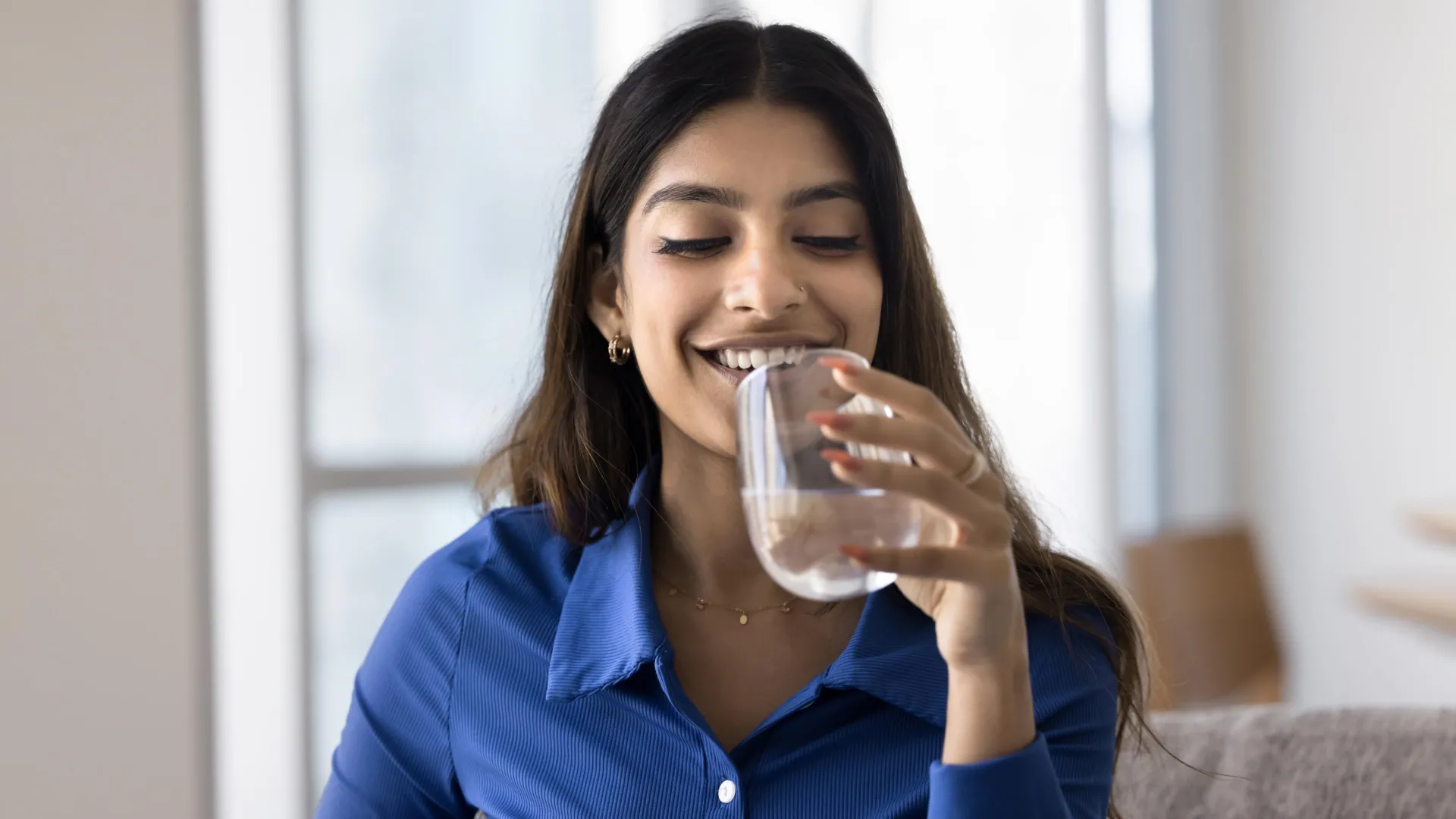
The long-standing debate surrounding the dental impact of various beverages has a new contender, with preliminary research indicating that unsweetened sparkling water may present a less erosive option for tooth enamel compared to sugar-sweetened sodas. This finding, emerging from a study presented at NUTRITION 2026, the flagship annual meeting of the American Society for Nutrition, offers a glimmer of hope for consumers seeking healthier alternatives without compromising their oral well-being. The research, led by Wajiha Zulfiqar, a graduate student in Nutrition Science at Purdue University, compared the immediate effects of several popular drinks on oral pH levels, a critical indicator of tooth enamel erosion.
Understanding Oral pH and Dental Erosion
Tooth enamel, the outermost protective layer of our teeth, is highly susceptible to acid. When the pH level in the mouth drops below approximately 5.5, the demineralization process begins, leading to the gradual dissolution of enamel. This erosion can manifest as increased tooth sensitivity, discoloration, and, in severe cases, tooth decay. Sugar-sweetened sodas have long been implicated in promoting dental erosion due to their high acidity and sugar content, which feeds oral bacteria that produce further acidic byproducts. However, the impact of seemingly benign alternatives like sparkling water has been less thoroughly investigated.
The NUTRITION 2026 Conference: A Platform for Emerging Science
NUTRITION 2026, held from July 25-28 in National Harbor, Maryland, served as a pivotal venue for the dissemination of cutting-edge nutrition research. The American Society for Nutrition (ASN) convenes this annual meeting to bring together scientists, researchers, and health professionals from around the globe to discuss the latest advancements in the field. The event typically features a diverse range of presentations, from groundbreaking clinical trials to foundational laboratory studies, all aimed at enhancing public health through a deeper understanding of nutrition. Abstracts presented at NUTRITION 2026 undergo a rigorous review process by expert committees, ensuring that the information shared is scientifically sound, though often preliminary until formal peer review and publication in scientific journals. This year’s conference provided a platform for Zulfiqar’s team to introduce their findings on sparkling water’s dental impact to a wider scientific audience.
Methodology: A Direct Comparison in Real-Time
To address the knowledge gap regarding sparkling water’s effect on oral pH, Zulfiqar and her team designed a study that directly compared the impact of four different beverages on 20 adult participants. The beverages included:
- Sugar-sweetened soda: A representative example of a high-risk beverage.
- Regular unsweetened sparkling water: The primary focus of the investigation.
- Calcium-fortified sparkling water: An alternative sparkling water with a potential additive to mitigate acidity.
- Plain water: Serving as a neutral baseline for comparison.
Each participant consumed each of the four beverages, a crucial methodological choice designed to minimize individual variations in saliva composition and flow rates. This crossover design allowed researchers to observe the immediate physiological response of the oral environment to each drink within the same individuals.
Crucially, the researchers did not solely rely on the inherent acidity of the beverages themselves. Instead, they focused on measuring salivary pH in real-time, capturing how the body’s natural buffering system, saliva, responded to the introduction of each drink. Saliva plays a vital role in neutralizing acids and remineralizing tooth enamel. By monitoring pH levels at various intervals after consumption, the study aimed to provide a more accurate and practical understanding of how these drinks might affect oral health in everyday scenarios.
"Directly comparing different beverages using the same experimental framework allowed us to evaluate the effects of sparkling water relative to both soda — a higher-risk beverage — and plain water as a neutral reference," explained Zulfiqar. "Additionally, by measuring how the mouth responded in real time, rather than only testing beverage acidity alone as other studies have done, our study provides a more realistic understanding of how these drinks may impact oral health."
Key Findings: Soda’s Dominance in Acid Production
The results of the study painted a clear picture of the relative erosive potential of the tested beverages. Sugar-sweetened soda emerged as the most significant contributor to increased mouth acidity. Salivary pH levels were found to be significantly lower after participants consumed soda compared to plain water, with this effect persisting at both the 2-minute and 20-minute marks post-consumption. This sustained acidic environment created by soda poses a considerable risk to tooth enamel.
In contrast, unsweetened sparkling water, both regular and calcium-fortified versions, elicited a more transient impact on oral pH. Regular unsweetened sparkling water caused a temporary decline in salivary pH observed at the 2-minute mark. The calcium-fortified variant showed a similar decrease, albeit slightly delayed, at the 5-minute interval. Importantly, for both types of sparkling water, the salivary pH levels had largely returned to their baseline levels within 20 minutes of consumption.
The study also highlighted the remarkable ability of saliva to restore normal oral acidity. Even after consuming acidic beverages like soda and sparkling water, saliva played a crucial role in buffering the acidity. In the short term, after the consumption of sparkling water, the salivary pH remained above the critical threshold of 5.5, suggesting a reduced immediate risk of enamel damage.
Contextualizing the Findings: Beyond Immediate pH Changes
While the study provides valuable insights into the immediate effects of beverages on oral pH, the researchers themselves emphasize the need for a broader perspective. Dental erosion is a complex process influenced by numerous factors beyond the initial pH drop. These include:
- Frequency of consumption: Sipping a beverage slowly over an extended period leads to prolonged exposure of teeth to acidity compared to quick consumption.
- Duration of exposure: The longer teeth are in contact with an acidic substance, the greater the potential for damage.
- Presence of sugar: As mentioned, sugars in beverages can exacerbate acid production by oral bacteria.
- Individual salivary factors: Variations in saliva flow rate, buffering capacity, and mineral content can influence how effectively an individual’s mouth neutralizes acids.
- Oral hygiene practices: Regular brushing and flossing remove food debris and plaque, reducing the environment for acid-producing bacteria.
Therefore, while unsweetened sparkling water appears to be a less erosive option than soda, its overall impact on dental health will still be moderated by these additional factors. The preliminary nature of the findings means that extensive peer review and further research are necessary before definitive clinical recommendations can be made.
Implications for Consumers and the Beverage Industry
The findings from Zulfiqar’s research carry significant implications for both consumers actively seeking healthier beverage choices and the beverage industry.
For Consumers:
For individuals who regularly consume sugar-sweetened sodas, the study suggests that transitioning to unsweetened sparkling water could be a beneficial step towards protecting their dental health. "Our results suggest that replacing sugar-sweetened sodas with unsweetened sparkling water may help lower the risk of enamel erosion," stated Zulfiqar. This offers a viable alternative for those who enjoy the carbonation and refreshing quality of fizzy drinks but are concerned about the detrimental effects of sugar and high acidity. However, the advice remains to consume these beverages in moderation and maintain good oral hygiene practices.
For the Beverage Industry:
The research also presents an opportunity for beverage manufacturers to innovate and reformulate their products. "The results also highlight an opportunity for the beverage industry to explore reformulation strategies that could potentially reduce the erosive potential of acidic beverages," Zulfiqar added. This could involve developing beverages with lower inherent acidity, incorporating buffering agents, or exploring alternative sweeteners that do not contribute to acid production. The growing consumer demand for healthier options is a powerful market driver, and companies that proactively address dental health concerns are likely to gain a competitive edge.
Future Research Directions
The preliminary nature of this study opens avenues for further investigation. Zulfiqar and her team have indicated their intention to delve deeper into the long-term effects of sparkling water consumption on oral health. Future studies could explore:
- Chronic exposure studies: Investigating the cumulative impact of regular, long-term consumption of sparkling water on tooth enamel integrity.
- Impact on soft tissues: Examining whether sparkling water has any effects on the gums or other oral tissues.
- Comparative studies with other beverages: Expanding the comparison to include other popular drinks like diet sodas, fruit juices, and flavored waters, which also present varying degrees of acidity.
- Influence of different sparkling water formulations: Investigating the impact of various mineral compositions and carbonation levels in sparkling water.
The abstract detailing this research was presented by Zulfiqar on Sunday, July 26, during the Clinical Nutrition II Poster Session, held within the Gaylord National Resort & Convention Center. While the findings are promising, it is important to reiterate that abstracts presented at NUTRITION 2026 are typically not peer-reviewed until they are submitted for publication in a scientific journal. Therefore, these results should be considered preliminary and subject to further validation.
In conclusion, the initial findings from this research at NUTRITION 2026 offer a promising indication that unsweetened sparkling water is a more tooth-friendly alternative to sugar-sweetened soda. By focusing on real-time salivary pH measurements, the study provides a more nuanced understanding of beverage impacts on oral health. As research progresses, a clearer picture of the long-term implications will emerge, guiding both consumer choices and industry innovation towards a healthier future for our smiles.

0 Comments