
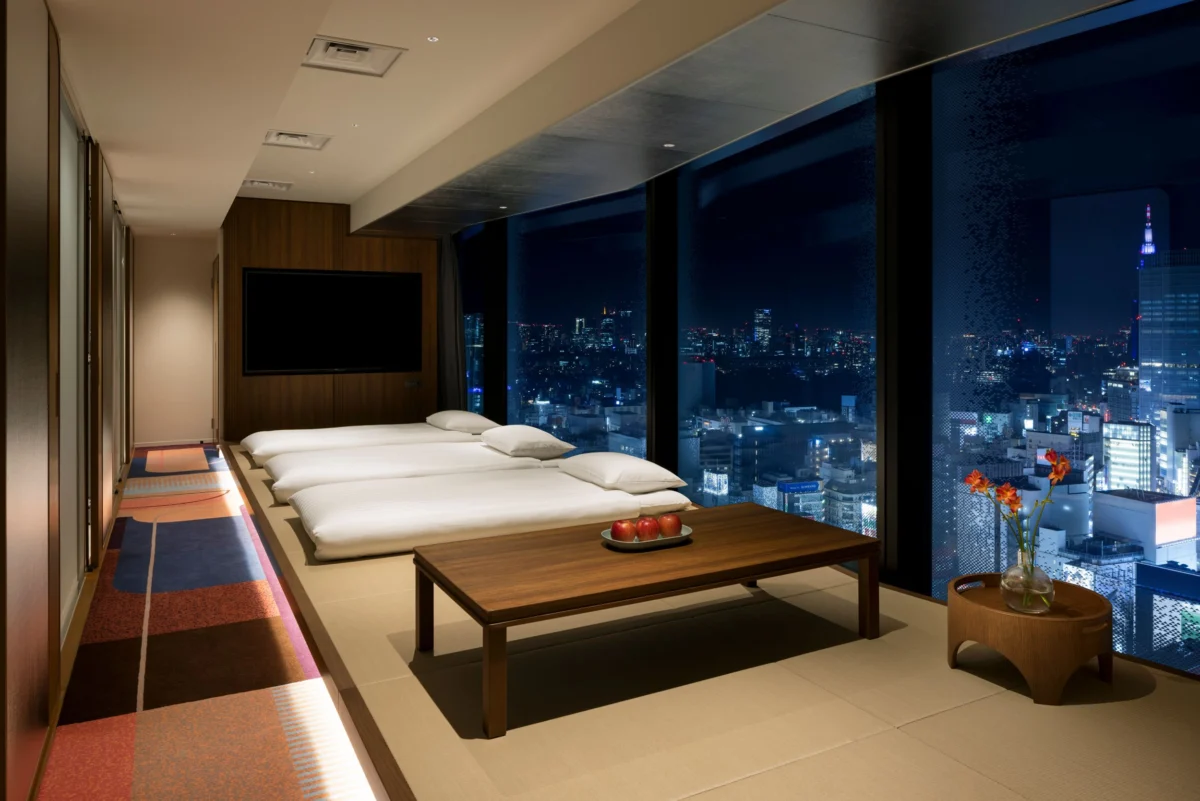
The hospitality sector in Tokyo is currently undergoing a significant transformation, moving away from a traditional binary of utilitarian business hotels and ultra-luxury skyscrapers toward a more diverse ecosystem of lifestyle-oriented accommodations. For decades, the Japanese capital was perceived by international travelers as a destination of extremes: one could either opt for the "no-frills" efficiency of a windowless business pod or the opulence of an international five-star brand. However, a new generation of properties is redefining the middle market, prioritizing neighborhood character, architectural design, and "elevated basics" while maintaining price points that remain accessible to a broader demographic. This shift is occurring against a backdrop of historic macroeconomic shifts, including a remarkably favorable exchange rate for Western travelers and a post-pandemic surge in inbound tourism that has seen Japan break previous visitor records.
The Macroeconomic Context: The Weak Yen and the Tourism Surge
The current appeal of Tokyo for American and European travelers is inextricably linked to the performance of the Japanese Yen. Over the past 24 months, the Yen has reached multi-decade lows against the US Dollar and the Euro, significantly increasing the purchasing power of international visitors. In 2024, exchange rates have frequently fluctuated between 150 and 160 JPY to the USD, a stark contrast to the 100-110 JPY range seen prior to 2020. This currency depreciation has effectively discounted the Japanese experience by nearly 30% to 40% for those holding foreign currencies, making high-end dining, retail, and hospitality more attainable than at any point in recent history.
According to data from the Japan National Tourism Organization (JNTO), the number of monthly foreign visitors to Japan surpassed 3 million for the first time in March 2024, representing a full recovery and expansion beyond pre-pandemic levels. This influx of travelers has necessitated a more robust and varied hotel inventory. The "affordable luxury" segment—defined by industry experts as properties offering high-quality design and service for under $300 (approximately 45,000 JPY) per night—has become the fastest-growing sector in the Tokyo market.
A Chronology of Tokyo’s Hotel Evolution
To understand the current state of Tokyo’s hospitality, it is necessary to examine the chronological shifts in the city’s urban development:
- The Post-War and 1964 Olympic Era: This period saw the birth of Tokyo’s "Grand Hotels," such as the Imperial Hotel and Hotel Okura. These were designed to accommodate foreign dignitaries and corporate elites, establishing a standard for high-end service (Omotenashi).
- The 1980s Bubble Economy: The rise of the "salaryman" culture led to the proliferation of business hotels like Toyoko Inn and APA Hotel. These were designed for maximum efficiency and minimum cost, often located near major transit hubs but offering little in the way of aesthetic or cultural engagement.
- The 2010s Olympic Preparation: In anticipation of the 2020 Summer Games, Tokyo underwent a massive infrastructure overhaul. This period saw a surge in boutique hotel development and the entry of international lifestyle brands that sought to bridge the gap between business and luxury.
- The Post-Pandemic Re-emergence (2023–Present): Following the lifting of border restrictions in late 2022, a new wave of "lifestyle" hotels has opened. These properties focus on integration with the local community, featuring public-facing cafes, curated art galleries, and collaborations with local craftsmen.
Strategic Hubs: Where to Stay for Maximum Connectivity
Tokyo is not a centralized city but a sprawling metropolis of distinct "cities within a city." For first-time visitors, the choice of neighborhood is the most critical factor in determining the quality of the travel experience.
The Transit Powerhouses: Shinjuku and Tokyo Station
Shinjuku remains the busiest railway station in the world, serving as the primary gateway to western Tokyo and the suburbs. It is a center of nightlife and energy, offering everything from the neon-lit streets of Kabukicho to the sophisticated bars of the Park Hyatt district. Conversely, the area around Tokyo Station and Marunouchi serves as the city’s historic and financial heart. This district is ideal for travelers planning to utilize the Shinkansen (bullet train) to visit Kyoto or Osaka, as it provides seamless access to the national rail network.
The Cultural and Retail Centers: Ginza, Nihonbashi, and Shibuya
Ginza and Nihonbashi represent the "Old Tokyo" elegance. These districts are characterized by high-end department stores and some of the world’s most renowned sushi institutions. Staying here offers a more "grown-up" pace of life, with wide boulevards and refined architecture. Shibuya, meanwhile, remains the epicenter of youth culture and fashion. Recent redevelopment projects, such as Shibuya Scramble Square and Miyashita Park, have introduced a new tier of design-forward hotels that cater to a creative, younger demographic.

The Residential and Creative Pockets: The "Lower City"
For repeat visitors or those seeking a more local atmosphere, districts like Kiyosumi-Shirakawa and Shimokitazawa have become highly desirable. Kiyosumi-Shirakawa, once an industrial area, is now the center of Tokyo’s specialty coffee movement. Shimokitazawa, known for its narrow alleys and vintage clothing stores, offers a bohemian alternative to the high-rise intensity of the central wards. These areas are increasingly seeing the development of small-scale boutique hotels that prioritize neighborhood immersion over traditional amenities.
Defining the New "Affordable" Standard
In the context of the 2024 Tokyo market, "affordability" is no longer synonymous with "budget." The $150 to $350 price range now encompasses a variety of experiences that would have cost significantly more a decade ago.
The new standard for an affordable Tokyo hotel includes:
- Space-Efficient Design: Utilizing Japanese architectural ingenuity to make smaller rooms feel expansive through high ceilings, modular furniture, and large windows.
- Communal Integration: Many new hotels serve as social hubs, featuring lobbies that double as co-working spaces or bars that attract local residents.
- Curated Amenities: Moving away from generic toiletries toward partnerships with local Japanese skincare brands and high-quality tea producers.
- Technological Integration: Streamlined check-in processes and smart-room controls that reduce the need for large staffing overheads, allowing savings to be passed to the guest.
Seasonal Fluctuations and Market Analysis
Travelers must account for extreme price volatility based on the Japanese calendar. The "affordable" $300-a-night room can easily double in price during peak seasons.
- Peak Periods: Cherry blossom season (late March to early April) and the autumn foliage peak (mid-to-late November) see the highest occupancy rates and prices. Golden Week (late April to early May) is also a period of intense domestic travel.
- Value Periods: January and February offer the best value for international travelers. While the weather is cold, the skies are typically clear, and the city is significantly less crowded. The humid summer months (July and August) also see periodic price dips, though this coincides with major school holidays.
Broader Implications for the Japanese Economy
The evolution of the hotel industry is a microcosm of Japan’s broader economic strategy. As the country faces a shrinking and aging domestic population, the "Inbound Tourism Promotion Plan" has become a cornerstone of national policy. The government has set a target of 60 million annual visitors by 2030.
However, this growth brings challenges. The concentration of tourists in the "Golden Route" (Tokyo, Kyoto, Osaka) has led to concerns regarding "overtourism" and the strain on local infrastructure. The development of high-quality, affordable hotels in lesser-known Tokyo neighborhoods is seen as a way to decentralize tourism and distribute economic benefits more evenly across the city.
Furthermore, the hospitality sector is grappling with a significant labor shortage. To maintain high service standards while keeping rooms affordable, many properties are turning to automation and "smart hospitality" solutions. This shift is likely to influence global hotel trends as other developed nations face similar demographic challenges.
Conclusion: A New Era of Accessibility
Tokyo remains a city of profound depth, where "B-kyu gurume" (B-grade gourmet) ramen shops sit comfortably alongside Michelin-starred omakase counters. The current hospitality landscape reflects this duality. By providing sophisticated, well-designed, and affordable options, Tokyo has successfully democratized luxury travel. For the modern traveler, the capital no longer requires a choice between comfort and cost; instead, it offers a spectrum of experiences that cater to a more nuanced understanding of value. As the city continues to evolve, these mid-range, design-led properties will likely remain the most vibrant and innovative segment of the market, offering an authentic gateway into the complexities of contemporary Japanese life.

0 Comments