
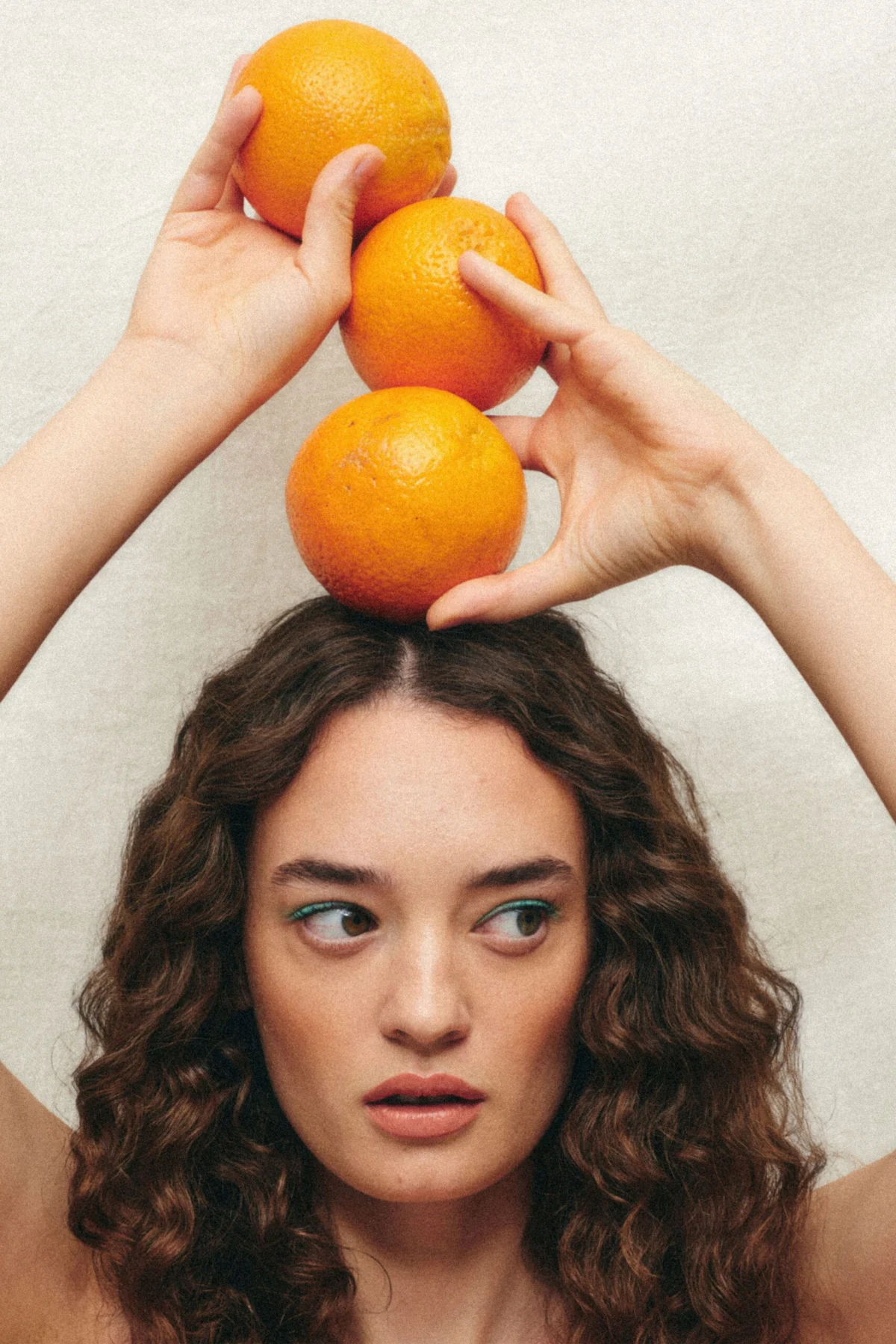
The global beauty landscape is currently undergoing a structural transformation as consumer preferences shift away from hyper-optimized, synthetic-heavy products toward a philosophy rooted in Mediterranean heritage, slow living, and ancestral wellness. This movement, led by established pioneers like the Greek skincare brand Korres and joined by a new wave of independent labels such as Rowse and Furtuna Skin, represents a direct challenge to the "fast beauty" models that have dominated the market for decades. As Korres celebrates its 30th anniversary, the brand serves as a primary case study for how regional authenticity and traditional pharmaceutical knowledge can be scaled into a multimillion-dollar international enterprise.
The Historical Context: From Conglomerate Dominance to Botanical Independence
In the 1990s, the personal care market was characterized by an oligopoly of global conglomerates. Giants such as L’Oréal, Estée Lauder, Unilever, Procter & Gamble, Johnson & Johnson, and Coty maintained a near-total grip on household brands. During this era, product formulation was largely driven by industrial efficiency. Chemical engineers and brand managers prioritized affordability, extended shelf lives, and physical consistency, often relying on harsh synthetic surfactants, parabens, and mineral oils.
Lena Korres, a chemical engineer who entered the industry during this period, recalls a beauty market where natural alternatives were virtually non-existent or relegated to niche health food stores. Working alongside her husband Giorgos, a chemist at Athens’ oldest herbal homeopathic pharmacy, the duo identified a significant market gap. They sought to apply the rigorous standards of homeopathy and the biodiversity of the Greek landscape to modern skincare. Their namesake brand, launched in 1996, rejected the "quick-fix" promises of the era in favor of deliberate, slower-paced rituals centered on skin health and authenticity.

Today, that gamble has resulted in a global footprint. Korres generates approximately $150 million in annual revenue and maintains distribution in over 50 countries through premium retailers including Sephora, Boots, and Ulta Beauty. This success has paved the way for a broader "Mediterranean Beauty" (Med-Beauty) category that mirrors the region’s influence on fashion and gastronomy.
The Mediterranean Advantage: Diet, Longevity, and Aesthetics
The surge in Mediterranean beauty is inextricably linked to the global reputation of the Mediterranean diet. For seven consecutive years, the Mediterranean diet has been ranked as the top expert-recommended eating plan in the United States by U.S. News & World Report. This recognition is grounded in the region’s health outcomes; Spain, Italy, and Greece consistently report some of the highest life expectancies globally. These statistics are frequently attributed to a combination of nutrient-dense diets, active lifestyles, and robust community support networks—elements that beauty brands are now distilling into topical applications.
The aesthetic component of this trend, often referred to as "Euro Summer" or the "Riviera Lifestyle," has moved beyond the travel and fashion sectors into the core of beauty marketing. Consumers are increasingly seeking a "sun-drenched" look characterized by radiant, skin-first complexions, faux freckles, and effortlessly tousled hair. This shift is visible in the marketing strategies of high-growth brands like Rhode and Summer Fridays, which utilize warm, outdoor lighting and vacation-ready imagery to evoke an aspirational Mediterranean feel. Even legacy brands like Hawaiian Tropic have pivoted, utilizing influencers like Alix Earle to align their products with this relaxed, coastal aesthetic, resulting in significant social media engagement and sales conversion.
The "Touch Grass" Movement and the Backlash Against Optimization
A critical driver of the Mediterranean beauty trend is a psychological shift among Gen Z and Millennial consumers known as the "touch grass" movement. Originally an internet slang term used to tell chronically online individuals to reconnect with the physical world, the phrase has evolved into a legitimate wellness philosophy. According to Louise Yems, strategy director at youth culture agency The Digi Fairy, the movement serves as a "cure-all antithesis" to the constant churn of social media algorithms and the exhaustion of digital life.

This has led to a growing "optimization backlash." For several years, the wellness industry was dominated by "biohacking"—the use of biometric tracking, Oura rings, and data-driven routines to perfect every aspect of human performance. However, recent market data suggests a fatigue with this "performance review" approach to daily existence. Sui-Sien Donovan, senior creative strategist at Morning, notes that consumers are now prioritizing "feeling" as the ultimate measure of a good life.
This shift manifests in the "low-cortisol summer" trend, where the goal is to reduce stress through grounding activities. Mediterranean beauty fits perfectly into this paradigm, offering a "low-cortisol" approach to skincare that favors sensorial experiences and community rituals over aggressive chemical peels or hyper-clinical routines. Whether it is the image of Sicilian grandfathers sharing a long lunch or the use of traditional botanical mists, the focus has shifted from "fixing" the self to "being" in the moment.
Formulation Science: Time-Tested Remedies vs. Synthetic Aggression
The technical foundation of Mediterranean beauty brands rests on the use of local, organic agriculture and advanced biotechnology to process traditional ingredients. Unlike the conglomerate models of the 90s, brands like Korres and Rowse emphasize transparency and "slow" sourcing.
Korres, for instance, operates an in-house eco-extraction unit and collaborates with over 1,000 Greek family farms. By utilizing ingredients like Greek yogurt, Santorini grapes, and pure olive oil, the brand leverages the nutritional value these items provide in the Mediterranean diet for the skin. Lena Korres highlights a specific trade-off in their philosophy: the avoidance of retinol. While acknowledging retinol’s effectiveness in cell turnover, Korres argues that its aggressive nature—shedding skin cells rapidly—contradicts the Mediterranean goal of protecting the epidermal layer. "We don’t lead an aggressive lifestyle here; it’s very balanced," she explains. This "pro-skin" rather than "anti-aging" approach has resonated with consumers, particularly within the brand’s Greek yogurt franchise, which has seen 47% year-on-year sales growth.

Similarly, the Madrid-based brand Rowse, co-founded by Nuria Val and Gabriela Salord, focuses on nutrient-dense, antioxidant-rich formulas. Rowse deliberately avoids silicones, which are often used in mass-market beauty for their smoothing effects but can trap oils and are frequently non-biodegradable. Instead, Rowse utilizes high-performance botanical actives and modern biotechnology to create products like their Summer Hydrating Mist, which features apricot and carrot extracts—remedies that have been used in regional skincare for generations.
Chronology of the Mediterranean Beauty Evolution
- 1996: Korres is founded in Athens, transitioning from a homeopathic pharmacy to a commercial skincare brand.
- Early 2000s: The "Clean Beauty" movement begins to take root in the U.S. and Europe, creating an opening for botanical-based Mediterranean brands.
- 2018: Rowse is founded in Madrid, signaling a new wave of Mediterranean "slow beauty" brands focused on minimalist, plant-based formulas.
- 2020-2022: The global pandemic accelerates the "wellness as luxury" trend, with consumers seeking home-based rituals and natural ingredients.
- 2023-2024: The "Euro Summer" and "Touch Grass" trends peak on social media, driving mainstream demand for Mediterranean-inspired products.
- 2024: Korres marks 30 years in business, reporting record growth in its traditional ingredient-based lines.
Broader Industry Impact and Future Implications
The success of Mediterranean-rooted brands has forced global players to adapt. Fragrance houses, in particular, are capitalizing on the region’s olfactory appeal. Diptyque recently launched a Mediterranean water garden-inspired collection, while Victoria Beckham Beauty has seen success with its Portofino fragrance. Haircare brand Ouai has also expanded into destination-inspired scents like Santorini and Ibiza.
However, the true differentiator for authentic Mediterranean brands remains their focus on community and human connection—a "soft power" that is difficult for large conglomerates to replicate. Gabriela Salord of Rowse emphasizes that their flagship stores in Madrid function more as community hubs than retail spaces, hosting workshops on astrology, meditation, and somatic writing. "Community is about human connection, and in an era of everything-digital and AI, that matters more than ever," Salord states.
As the beauty industry moves toward 2026, analysts predict that the "unoptimized" lifestyle will continue to gain traction. This suggests a long-term shift toward products that support the nervous system, favor biological harmony over aggressive intervention, and honor regional biodiversity. The Mediterranean model—combining ancient pharmaceutical wisdom with a modern rejection of the "grind" culture—is no longer just a regional trend; it has become a blueprint for the future of global wellness. For consumers, the appeal lies in a simple, enduring promise: beauty that is not performed, but lived.

0 Comments