
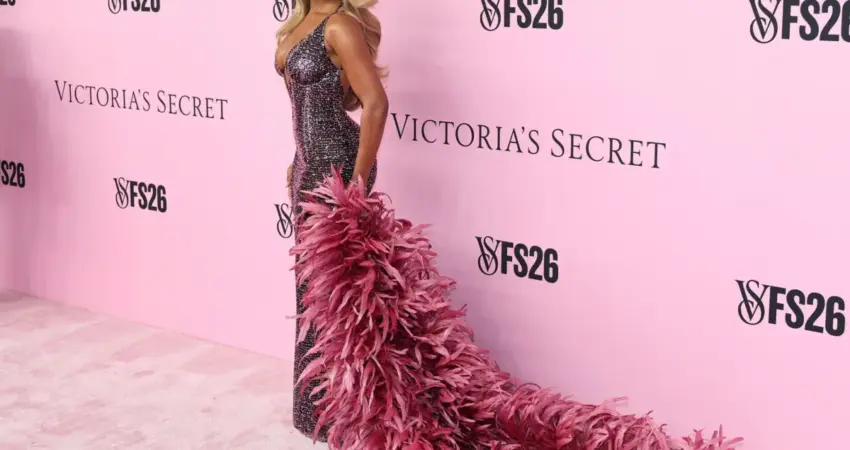
The 2026 Victoria’s Secret Fashion Show officially commenced this evening at the Sony Studios in Culver City, California, signaling a pivotal moment in the brand’s ongoing transformation and its efforts to reclaim its position at the center of global pop culture. This year’s event, hosted in the heart of the entertainment industry, represents a strategic departure from the brand’s traditional New York City roots, emphasizing a renewed focus on the intersection of fashion, music, and celebrity influence. The runway featured an expansive roster of high-profile models, including the return of legacy "Angels" alongside a new generation of industry icons, such as Gigi Hadid, Alex Consani, Precious Lee, Adriana Lima, Anok Yai, and Candice Swanepoel.
The 2026 iteration of the show follows a series of experimental formats that the company utilized to navigate a changing cultural landscape. After the original show’s cancellation in 2019 and a multi-year hiatus, Victoria’s Secret & Co. has sought to balance its historical "glamour" with contemporary demands for inclusivity and diversity. Tonight’s presentation at Sony Studios served as the culmination of this rebranding effort, blending the high-octane spectacle of the 2010s with the broader representation established by the "VS Collective" in recent years.
The Model Cast: A Synthesis of Legacy and Progress
The 2026 runway cast was meticulously curated to appeal to both long-term fans of the brand and a younger, socially conscious demographic. The inclusion of Adriana Lima and Candice Swanepoel provided a sense of continuity, tapping into the nostalgia for the "Golden Era" of the Victoria’s Secret Fashion Show. Lima, who famously retired from the brand in 2018, has become a symbol of the brand’s heritage, and her presence in Culver City was framed as a bridge between the past and the future.
Simultaneously, the appearance of Alex Consani and Precious Lee highlighted the brand’s commitment to modern standards of beauty. Consani, a prominent figure in the high-fashion circuit, represents the brand’s increasing embrace of gender diversity, while Precious Lee continues to lead the way for size-inclusive representation on major global runways. Gigi Hadid and Anok Yai further anchored the lineup, bringing a level of high-fashion credibility that has been central to the brand’s strategy to move away from "commercial-only" aesthetics.
The casting reflects a broader industry trend where legacy brands must reconcile their traditional identities with the values of Gen Z and Millennial consumers. By featuring models who are not only runway stars but also vocal advocates for various social causes, Victoria’s Secret is attempting to transform the "Angel" title from a purely physical ideal into a platform for influence and storytelling.
Musical Performances and the Integration of Cross-Genre Talent
A defining characteristic of the Victoria’s Secret Fashion Show has historically been its live musical performances, which often dictate the energy and pacing of the segments. The 2026 lineup featured a diverse array of talent, including Katseye, Tate McRae, Megan Maroney, and Megan Thee Stallion. This selection underscores the brand’s intent to reach a wide-reaching audience across multiple musical genres.
- Katseye: The global girl group, formed through a collaborative project between HYBE and Geffen Records, brought an international, K-pop-inspired energy to the stage. Their inclusion highlights the brand’s focus on the global market, particularly the Asian demographic, which remains a key growth area for the company.
- Tate McRae: Representing the pinnacle of modern pop and dance, McRae’s performance catered to the digital-native audience that consumes the show via social media clips and streaming platforms.
- Megan Maroney: The inclusion of Maroney signifies the brand’s recognition of the surging popularity of country music in the mainstream fashion and lifestyle space.
- Megan Thee Stallion: As the headlining act, Megan Thee Stallion provided a high-energy performance that aligned with the brand’s focus on empowerment and bold self-expression.
The synergy between the musical acts and the runway segments is a core component of the "theatrical debut" mentioned by organizers. Unlike traditional fashion weeks in Paris or Milan, the Victoria’s Secret event is designed as a broadcast-first spectacle, where the musical guest is as much a part of the product as the lingerie itself.
The Red Carpet: A Star-Studded Prelude
Prior to the main event, the red carpet at Sony Studios became a focal point for fashion analysts and celebrity observers. The event has regained its status as a "must-attend" on the celebrity calendar, following a successful 2025 event that saw appearances from Sarah Jessica Parker, Patrick Schwarzenegger, and Chloë Sevigny.
The 2026 red carpet saw a similar influx of talent, ranging from Hollywood actors to prominent social media influencers. This "star-studded front row" serves a dual purpose: it provides the brand with immediate social media "impressions" and reinforces the idea that Victoria’s Secret is a lifestyle brand rather than just a retail outlet. Observers noted a trend toward "bespoke" looks and statement pieces, with many guests wearing custom designs that hinted at the themes seen later on the runway.
Historical Context and the Brand’s Strategic Timeline
To understand the significance of the 2026 show, it is necessary to examine the brand’s trajectory over the last decade. The Victoria’s Secret Fashion Show was once a ratings juggernaut, peaking at over 10 million viewers in the early 2010s. However, a decline in viewership, coupled with criticism regarding the lack of diversity and the brand’s marketing tone, led to a period of internal restructuring.
- 2019: The show was officially canceled as L Brands (the former parent company) sought to "evolve the marketing of the brand."
- 2021: The launch of the "VS Collective" replaced the "Angels" with a group of women known for their achievements rather than just their appearance.
- 2023: The "Victoria’s Secret World Tour" was released on Amazon Prime, a documentary-style film that replaced the traditional runway format.
- 2024-2025: The brand began reintroducing the runway format in a more controlled, inclusive environment, testing the waters for a full-scale return.
- 2026: The move to Sony Studios in California marks the definitive return of the large-scale spectacle, combining the traditional high-glamour elements with the inclusive standards of the 2020s.
Economic Data and Market Implications
The return of the fashion show is not merely a creative choice but a significant business strategy for Victoria’s Secret & Co. (NYSE: VSCO). As of 2024, the company held approximately 20% of the U.S. women’s intimates market, a decline from its peak but still a dominant position. The fashion show serves as a massive marketing engine designed to drive fourth-quarter sales, which are critical for the retail sector.
Data from previous years suggests that the "halo effect" of the fashion show can lead to a significant spike in web traffic and search queries. In the 24 hours following the 2025 show, search volume for "Victoria’s Secret lingerie" increased by an estimated 45% globally. By investing in high-profile talent like Megan Thee Stallion and Gigi Hadid, the company is betting that the cost of production—estimated to be in the tens of millions of dollars—will be offset by brand equity and consumer conversion.
Furthermore, the choice of Culver City as a venue reflects the shifting landscape of retail marketing. By positioning the show in Los Angeles, the brand is closer to the epicenter of content creation, allowing for more seamless integration with influencers and digital media platforms.
Official Responses and Strategic Vision
While official statements from the brand’s executive leadership tonight focused on the "celebration of womanhood," internal reports suggest that the 2026 show is part of a broader "growth plan" aimed at stabilizing the company’s stock price and expanding its international footprint. In previous quarterly earnings calls, CEO Martin Waters has emphasized that the brand’s future lies in being "culturally relevant" while maintaining its "unique DNA of glamour."
The 2026 show is seen by analysts as the final step in the brand’s "apology tour." Having addressed previous criticisms through the VS Collective and expanded sizing, the company is now attempting to prove that it can still provide the "fantasy" that originally made it a household name. The "bespoke angel wings" seen tonight were not just costumes; they were symbols of a brand attempting to take flight after a period of grounding.
Broader Impact on the Lingerie Industry
The 2026 Victoria’s Secret Fashion Show arrives at a time of intense competition in the intimates market. Competitors such as Rihanna’s Savage X Fenty and Kim Kardashian’s SKIMS have successfully captured market share by prioritizing inclusivity and "shapewear-as-outerwear" trends from their inception.
The success of tonight’s event will likely determine whether the traditional "runway spectacle" model remains viable in an era of TikTok-driven trends. If Victoria’s Secret can successfully merge the high-production values of its past with the inclusive values of the present, it may set a new standard for how legacy brands navigate cultural shifts.
As the curtains close at Sony Studios, the focus will shift to the digital rollout of the show. With a multi-platform distribution strategy involving social media highlights and streaming partnerships, Victoria’s Secret is ensuring that the "action from this year’s event" reaches a global audience far beyond the walls of the Culver City studio. The 2026 show is more than a fashion parade; it is a high-stakes play for relevance in a rapidly evolving marketplace.

0 Comments