
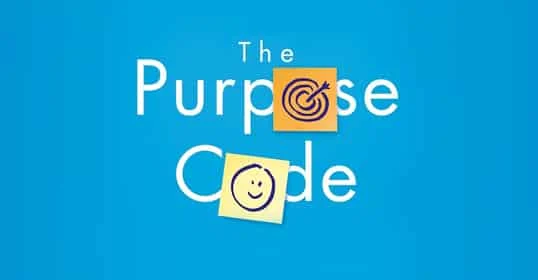
The modern pursuit of a singular, life-defining vocation has reached a critical inflection point, as psychological experts and practitioners increasingly question the validity of the "one true calling" narrative. Jordan Grumet, a physician and author of The Purpose Code, argues that the traditional quest for a "Big P" Purpose—a grand, overarching mission that justifies one’s existence—often results in chronic anxiety and a sense of existential failure. Instead, Grumet proposes a paradigm shift toward "little p" purposes: a collection of smaller, diverse, and evolving meanings that foster connection, satisfaction, and a more sustainable sense of legacy. This shift comes at a time when global burnout rates are at record highs, prompting a reevaluation of how individuals derive meaning from their professional and personal lives.
The Evolution of the Purpose Narrative
The concept of a "calling" has deep historical roots, originally tied to religious vocations where individuals felt summoned by a higher power to a specific path. Following the Industrial Revolution and the rise of meritocracy, this religious "calling" morphed into the secular "career," where professional identity became the primary vehicle for self-actualization. By the early 21st century, the "follow your passion" mantra became a staple of educational and professional coaching.
However, recent sociological data suggests this framework is increasingly fragile. A 2023 study by the Pew Research Center indicated that while 70% of American workers view their jobs as a source of identity, a significant portion of that group also reports high levels of stress and a lack of fulfillment. The pressure to find a "Big P" purpose—something akin to curing a disease, writing a masterpiece, or building a multi-billion-dollar enterprise—has created what psychologists call "the purpose gap," where the distance between one’s current reality and their idealized "calling" leads to profound dissatisfaction.
From Internal Medicine to Hospice: The Grumet Case Study
Jordan Grumet’s advocacy for "little p" purposes is rooted in his own professional trajectory. Initially following a traditional path in internal medicine, Grumet experienced significant burnout, a condition that the World Health Organization (WHO) officially recognized as an occupational phenomenon in 2019. Grumet’s transition into hospice care provided a unique vantage point on human motivation and regret.
In the clinical setting of end-of-life care, the "Big P" purpose often vanishes. Patients rarely express regret over failing to achieve a singular, grand professional milestone. Instead, the focus shifts to "little p" purposes: the quality of relationships, the enjoyment of small hobbies, and the impact of daily kindness. This transition from curative medicine to palliative care allowed Grumet to witness the "regrets of the dying" firsthand, which often center on living a life others expected of them rather than a life true to themselves.
Deconstructing the "Big P" vs. "Little p" Framework
The distinction between "Big P" and "little p" is more than semantic; it represents a fundamental difference in psychological orientation.
The Big P Purpose
A "Big P" purpose is characterized by its singularity and weight. It is often externalized, tied to career achievements, legacy-building, or a "mission" that requires decades of sacrifice. While it can provide intense focus, its risks include:
- Fragility: If the goal is not reached, the individual feels their life has been wasted.
- Anxiety: The pressure to "find" it can be paralyzing, leading to "decision fatigue" and "analysis paralysis."
- Identity Foreclosure: Committing too early to a "Big P" purpose can prevent individuals from exploring other facets of their personality.
The Little p Purpose
Conversely, "little p" purposes are pluralistic and internal. They are the small things that bring joy or a sense of utility on a daily basis. Examples include being a reliable neighbor, mastering a craft, gardening, or providing mentorship. The benefits of this approach include:
- Resilience: If one source of meaning is lost (e.g., job loss), others remain.
- Accessibility: Meaning is available to everyone at any time, regardless of socio-economic status or professional success.
- Evolutionary Growth: These purposes can change as a person ages, allowing for a more dynamic and adaptive life.
Statistical Context: The Mental Health Toll of the Singular Calling
The "Big P" narrative is closely linked to the rise of "perfectionistic concerns," a psychological trait that has increased by 33% among college students since 1989, according to a study published by the American Psychological Association (APA). This form of perfectionism is driven by the belief that one must achieve extraordinary things to be valued.
Data from the Deloitte 2024 Gen Z and Millennial Survey further highlights this tension. Nearly 50% of Gen Zs and 40% of Millennials feel stressed or anxious all or most of the time. A primary driver of this anxiety is the "achievement trap," where the pursuit of a singular, high-impact purpose leads to a cycle of constant striving without a sense of arrival. Grumet’s "little p" philosophy acts as a corrective to this trend, emphasizing that meaning is found in the "doing" rather than the "achieving."
The Paradox of Family as a Purpose
One of the more controversial aspects of Grumet’s philosophy involves the role of family. While many people cite "providing for family" or "being a good parent" as their "Big P" purpose, Grumet suggests this can be problematic. When family becomes the sole purpose, it places an immense psychological burden on both the individual and the family members.
From a clinical perspective, if children are a parent’s only source of meaning, the parent may struggle with "empty nest syndrome" or exert undue pressure on the child to succeed as a reflection of the parent’s worth. By categorizing family as one of many "little p" purposes, individuals can maintain a healthier balance, ensuring that their sense of self remains intact even as family dynamics change.
Chronology of Modern Purpose Research
To understand the current shift toward Grumet’s philosophy, it is helpful to look at the timeline of purpose-related research:
- 1946: Viktor Frankl publishes Man’s Search for Meaning, introducing logotherapy and the idea that primary human drive is the discovery and pursuit of what we personally find meaningful.
- 2000s: The "Positive Psychology" movement, led by Martin Seligman, begins to quantify "well-being" and "flourishing," often emphasizing singular goals.
- 2012: Bronnie Ware publishes The Top Five Regrets of the Dying, highlighting that people on their deathbeds value relationships and authenticity over professional accomplishments.
- 2019-2022: The COVID-19 pandemic triggers "The Great Reshuffle," as millions of workers globally reassess their relationship with work and seek more localized, manageable forms of meaning.
- 2024-2026: Emerging literature, including Grumet’s The Purpose Code, begins to deconstruct the "Grand Purpose" myth in favor of incremental, daily fulfillment.
Broader Implications and Analysis
The transition from "Big P" to "little p" purpose has significant implications for various sectors of society.
Impact on the Workforce
Corporations that rely on "mission-driven" rhetoric to motivate employees may find that these narratives are losing their efficacy. Employees are increasingly seeking "work-life integration" where the job is just one of several "little p" purposes. For employers, this may necessitate a shift toward supporting employee hobbies, community involvement, and mental health, rather than demanding total devotion to the company’s "Big P" mission.
Impact on Mental Health Care
Therapists and counselors are beginning to move away from asking patients "What is your passion?" and toward "What activities made you feel present today?" This shift helps alleviate the existential dread associated with not having a "grand plan." It aligns with Mindfulness-Based Stress Reduction (MBSR) techniques, which focus on finding value in the immediate moment.
Impact on Longevity and Aging
Gerontological research suggests that individuals with multiple "little p" purposes—such as volunteering, learning new skills, and maintaining social circles—experience slower cognitive decline and better physical health. The "Big P" purpose is often tied to a career that ends at retirement; "little p" purposes, however, are retirement-proof.
Conclusion: Redefining the Legacy
The societal obsession with "finding your one true calling" has arguably created more harm than good, leading to a culture of burnout and perpetual inadequacy. Jordan Grumet’s framework offers a pragmatic alternative: a life built on a mosaic of small, meaningful engagements. By embracing "little p" purposes, individuals can lower their baseline anxiety and discover that a significant legacy is not necessarily built through one grand act, but through the cumulative effect of daily, intentional living.
As the data suggests, the search for a "Big P" purpose is often a search for an ending—a final destination of success. In contrast, "little p" purposes focus on the process. In the context of hospice care, this is the ultimate lesson: life is not a problem to be solved by finding a purpose, but a series of moments to be inhabited by multiple purposes. This philosophical pivot may be the key to navigating the complexities of the 21st century with both resilience and grace.

0 Comments