
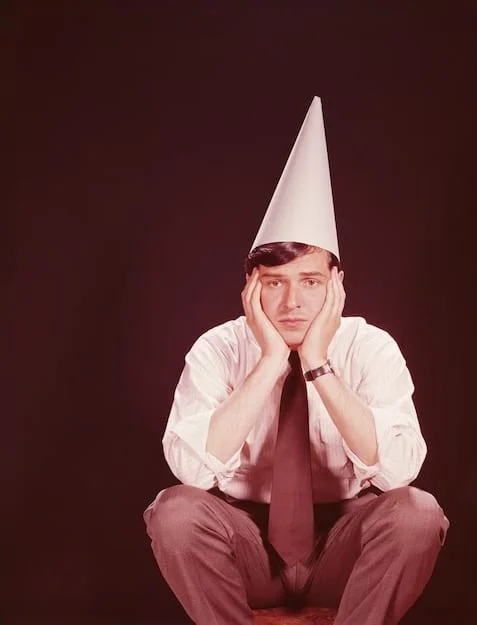
Interpersonal relationships and the maintenance of social equilibrium within peer groups have long been subjects of sociological inquiry. Central to these studies is the identification of specific behavioral archetypes that disrupt group harmony, colloquially referred to as "That Guy." These individuals, while often integrated into social circles, exhibit recurring traits—ranging from chronic unreliability to competitive narcissism—that generate friction and diminish the collective well-being of the group. Understanding these archetypes is essential for maintaining social capital and fostering resilient communities.
The Historical and Psychological Context of Social Archetypes
The categorization of difficult social personalities is not a modern phenomenon. It traces back to antiquity, most notably in the work of Theophrastus, a student of Aristotle, who authored The Characters. In this seminal text, Theophrastus identified thirty distinct personality types, such as "The Flatterer" and "The Grumbler," who disrupted the civic life of Athens. Modern psychology views these archetypes through the lens of the "Big Five" personality traits: openness, conscientiousness, extraversion, agreeableness, and neuroticism.
When an individual exhibits a significant deficit in agreeableness or conscientiousness, they often fall into one of the categories identified in contemporary social taxonomy. These behaviors are frequently linked to deep-seated psychological drivers, including external loci of control, social anxiety, or a lack of emotional intelligence. The persistence of "That Guy" within a group often relies on the group’s high tolerance for conflict or a lack of formal intervention strategies.
The Competitive Disruptor: The Poor Sport
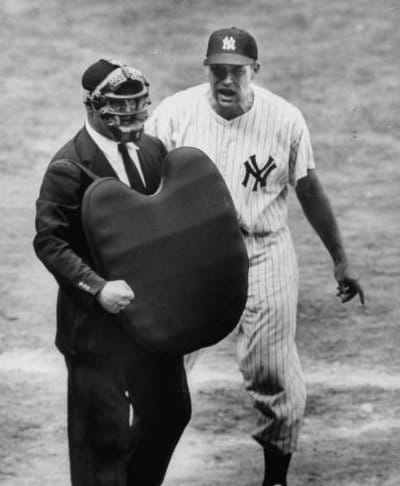
The "Poor Sport" represents a failure in both sportsmanship and emotional regulation. Characterized by an inability to accept defeat or take responsibility for personal performance, this archetype often attributes failure to external factors, such as faulty equipment or unfair officiating.
Behavioral Indicators
- Externalization of Blame: Attributing losses to "bad luck" or "cheating" by opponents.
- Manipulation of Results: Engaging in minor infractions, such as miscounting strokes in golf or points in a card game.
- Verbal Aggression: Using expletives or derogatory language to mask the sting of a loss.
Psychological Analysis
Behavioral analysts suggest that the Poor Sport suffers from a fragile self-esteem that is overly dependent on external validation through winning. When this validation is denied, the individual experiences "ego threat," leading to defensive behaviors. Data from sports psychology indicates that individuals who lack a "growth mindset" are significantly more likely to exhibit these traits, as they view failure as a permanent indictment of their character rather than an opportunity for improvement.
The Resource Parasite: The Mooch
In the study of social economics, the "Mooch" is a classic example of the "free-rider problem." This individual consistently consumes group resources—food, beverages, transportation, or money—without providing reciprocal value. This behavior creates a systemic imbalance that can lead to the eventual dissolution of the social unit.
Chronology of Resource Depletion
- Initial Acquisition: The individual joins a group but fails to bring supplies or contribute to shared costs.
- The "Forgotten Wallet" Phenomenon: Recurring excuses regarding a lack of funds or forgotten payment methods.
- Consumption of Surplus: Targeting the last of shared items, such as the final beer or remaining food, without permission.
- Debt Accumulation: Borrowing small amounts of money from multiple group members, making the total debt difficult to track but substantial in aggregate.
Sociological Impact
Research into social reciprocity suggests that "gift economies" within friend groups rely on the expectation of future returns. When a Mooch disrupts this cycle, it breeds resentment. A 2021 study on social dynamics found that persistent financial mooching is one of the top three reasons for the termination of long-term friendships among adults aged 25 to 45.
The Commitment Deficit: Mr. Unreliable
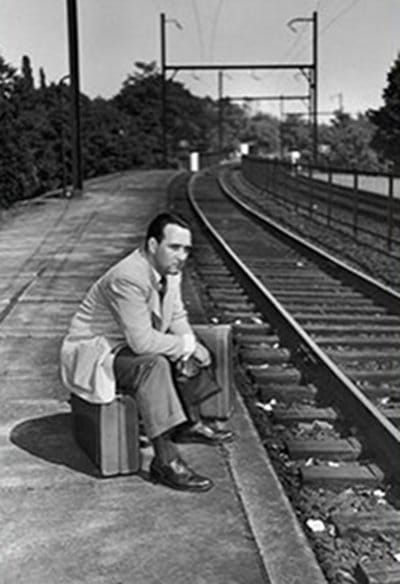
Mr. Unreliable, also known as the "Flake," poses a unique challenge in the era of digital communication. This archetype is defined by a chronic inability to honor commitments or arrive at scheduled events on time.
The Digital Enabler
The rise of smartphone technology has exacerbated this behavior. The ease of sending a last-minute text message to cancel plans—often referred to as "soft-ghosting"—allows Mr. Unreliable to avoid the immediate social discomfort of a phone call or face-to-face apology.
Data on Punctuality and Social Value
Sociologists argue that punctuality is a form of social currency. Arriving late or bailing on commitments signals that the individual values their own time more than the time of their peers. According to a survey conducted by the Social Dynamics Institute, 68% of respondents viewed chronic lateness as a sign of disrespect, while 45% stated they would eventually stop inviting an "unreliable" friend to major events.
The Status Insecure: The One-Upper
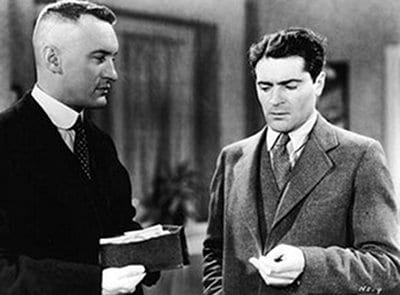
The One-Upper is driven by a need for conversational dominance and social hierarchy. Regardless of the story or achievement shared by another person, the One-Upper must respond with a narrative that is more impressive, more tragic, or more extreme.
Characteristics of Conversational Narcissism
- Name-Dropping: Mentioning associations with high-status individuals to garner reflected glory.
- Hyperbolic Scaling: If a friend mentions running a 5K, the One-Upper discusses their marathon training.
- Attention Hijacking: Shifting the focus of a conversation back to themselves before the original speaker has finished.
Psychological Root Causes
This behavior is frequently a manifestation of deep-seated insecurity. By positioning themselves as "the best" or "the most," the individual attempts to secure their place within the group’s social hierarchy. However, the result is typically the opposite; the One-Upper is often viewed as exhausting and untrustworthy, as their stories frequently border on the unbelievable.
The Veracity Impaired: The Fibber
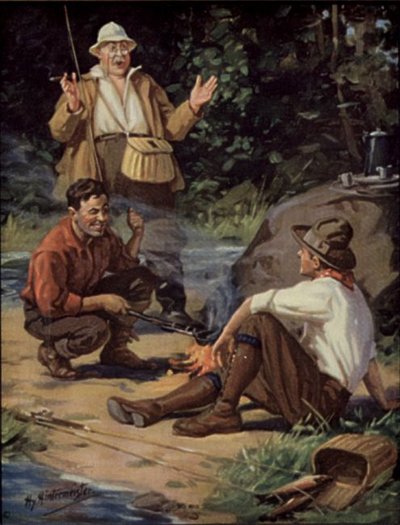
Closely related to the One-Upper is the "Fibber," or compulsive liar. This archetype stretches the truth to make mundane experiences seem extraordinary. While the One-Upper seeks status, the Fibber seeks engagement and entertainment, often at the expense of their own credibility.
Detection and Peer Response
Peer groups typically develop a "truth filter" when dealing with a Fibber, taking their statements with a "grain of salt." However, when lies transition from harmless embellishments to deceptive excuses for bad behavior (such as bailing on plans or avoiding debts), the social consequences become severe. Institutional trust within a small group is fragile; once a member is labeled a liar, their social credit is effectively neutralized.
Secondary Species and Emerging Archetypes
Beyond the primary categories, several "lesser-known species" contribute to social friction:
- The Flip Flopper: An individual who lacks a stable belief system and alters their opinions to match the current audience. This behavior is often linked to a high "need for belonging" but results in a perceived lack of integrity.
- The Loud Mouth: A person who lacks a "social filter," often revealing secrets or speaking inappropriately in public settings. This archetype disrupts the group’s "safe space" for private communication.
- The Garbage Man: A term used for individuals who ignore social boundaries regarding past or current romantic relationships within the group, often leading to immediate and explosive conflict.
Broader Implications for Social Capital and Community Resilience
The presence of "That Guy" archetypes has implications beyond simple annoyance. In the context of social capital—the networks of relationships among people who live and work in a particular society—these individuals act as "friction points."
Economic and Mental Health Costs
The mental energy required to manage a Poor Sport or track a Mooch’s debts represents a drain on the group’s collective resources. Furthermore, the presence of an Unreliable member can lead to financial losses when deposits for trips or events are lost due to last-minute cancellations.
The Ostracism vs. Integration Dilemma
Social groups face a recurring dilemma: whether to ostracize the disruptive member or attempt an intervention. Data suggests that direct, private confrontation is the most effective method for behavioral correction. Public "calling out" often triggers defensiveness, whereas private discussions regarding the impact of the behavior on the group can lead to what psychologists call "social evolution"—the process by which an individual recognizes their flaws and actively works to change them.
Conclusion: The Path to Social Evolution
The "That Guy" phenomenon is a universal aspect of human sociality. However, the identification and categorization of these behaviors provide a roadmap for improvement. For the individual, recognizing oneself in these archetypes is the first step toward developing greater emotional intelligence and integrity. For the group, understanding the psychological and sociological drivers behind these behaviors allows for more effective management of social dynamics.
As modern society continues to grapple with a "loneliness epidemic," the health of small social circles becomes increasingly vital. By addressing the behaviors of the Poor Sport, the Mooch, the One-Upper, and others, peer groups can strengthen their bonds, ensure equitable resource distribution, and maintain a high level of mutual respect. The goal is not the perfection of the individual, but the resilience of the community. In a world where social connections are the primary buffer against stress and isolation, ensuring that one is not "That Guy" is a fundamental component of modern citizenship and personal maturity.

0 Comments