
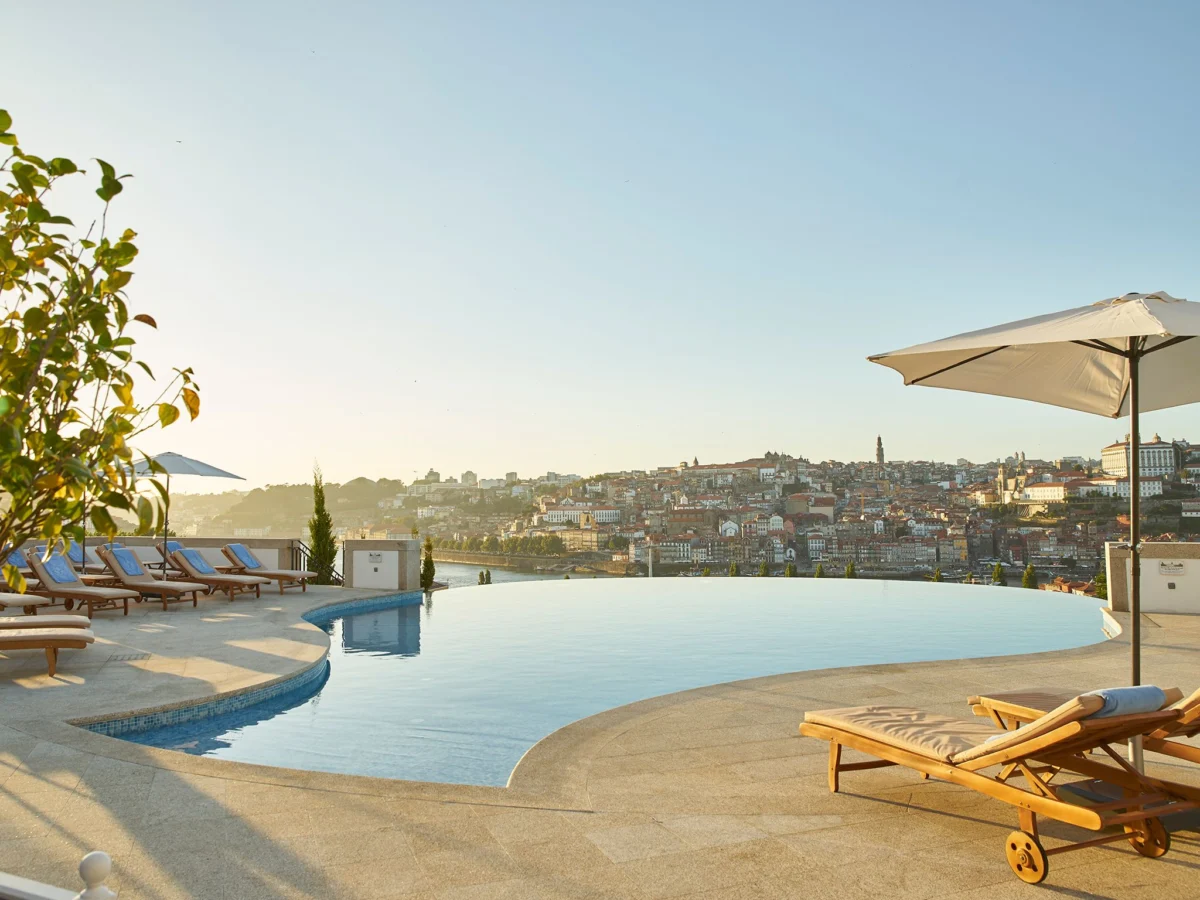
Porto, the coastal city in northwest Portugal known for its stately bridges and port wine production, has undergone a significant metamorphosis over the last decade, transitioning from a gritty industrial port into one of Europe’s most sophisticated luxury travel destinations. This evolution is characterized by a unique blend of historical preservation and modern hospitality, where the city’s narrative is told through its architecture, its river, and an increasingly refined hotel sector. The character of Porto is multifaceted, defined by the lively social atmosphere beneath the Dom Luís I Bridge and the somber, intricate beauty of the Azulejo tiles that adorn its historic churches. For the modern traveler, Porto represents a destination where luxury is not merely defined by service, but by a deep connection to the soul of the Iberian Peninsula.
The Historical and Architectural Foundation of Porto’s Identity
To understand the current state of Porto’s hospitality and tourism industry, one must first look at the architectural and historical pillars that support it. The city’s historic center, the Ribeira District, was designated a UNESCO World Heritage Site in 1996. This designation served as a catalyst for the preservation of the city’s unique "organic" urban layout, which has remained largely unchanged since the Middle Ages.

A primary feature of this identity is the Azulejo tile. These tin-glazed ceramic tiles are more than decorative elements; they are a medium for storytelling. From the São Bento Railway Station to the Igreja do Carmo, these blue-and-white tiles depict historical events, religious narratives, and scenes of traditional Portuguese life. In the context of modern tourism, many of the city’s premier hotels have integrated these historical elements into their design, allowing guests to experience the city’s history within the confines of a contemporary luxury setting.
Furthermore, the Dom Luís I Bridge, completed in 1886 by a disciple of Gustave Eiffel, serves as the physical and metaphorical link between Porto and its sister city, Vila Nova de Gaia. The bridge is a focal point for social gathering and a symbol of the city’s engineering prowess. The area surrounding the bridge has become a hub for high-end developments, catering to visitors who seek the "good for the soul" experience that the city’s atmosphere provides.
The Shift Toward Experiential Luxury in Hospitality
The best hotels in Porto have moved beyond the traditional role of providing lodging; they have become curators of the Portuguese experience. This shift toward experiential luxury is evident in the rise of boutique establishments that offer personalized services such as private port tastings, curated art exhibitions, and specialized spa treatments that utilize local ingredients like grape seeds from the Douro Valley.

Establishments like the Gran Cruz House illustrate this trend. Located in the heart of the Ribeira District, these hotels emphasize a "revival of the senses." By integrating fine dining that focuses on regional flavors and providing direct access to the winding, cobblestoned streets of Rua das Flores, these hotels ensure that the guest’s experience is inextricably linked to the city’s geography. The proximity to the UNESCO World Heritage Centre allows for a seamless transition between the comfort of a five-star suite and the raw, historical authenticity of the city’s oldest neighborhoods.
A Comparative Analysis: Porto vs. Vila Nova de Gaia
While often grouped together, Porto and Vila Nova de Gaia offer distinct experiences for the luxury traveler. Porto proper is the heart of the activity, characterized by dense urban history and the bustling energy of the Ribeira promenade. Conversely, Vila Nova de Gaia, situated on the southern bank of the Douro River, serves as the historic home of the port wine trade.
Technically a separate municipality, Gaia offers a different pace of life. The hotels on this side of the river are often set back from the water, utilizing the elevation to provide sweeping panoramic views of Porto’s skyline. This "moment to catch one’s breath" is a significant draw for travelers who prefer a more contemplative environment. The presence of the historic wine cellars (caves) in Gaia provides a unique infrastructure for hospitality, with several world-class hotels now occupying renovated warehouses that once stored centuries of vintage port.

Tourism Data and Economic Impact
The growth of Porto’s tourism sector is supported by robust statistical data. According to reports from the National Institute of Statistics (INE) of Portugal, the North region, spearheaded by Porto, has seen a consistent year-on-year increase in overnight stays. In 2023, Porto and the North region recorded over 6 million overnight stays, reflecting a significant recovery and growth beyond pre-pandemic levels.
This influx of high-spending tourists has led to a surge in the Average Daily Rate (ADR) for luxury accommodations. The Revenue Per Available Room (RevPAR) in Porto’s five-star sector has outpaced many other European secondary cities, signaling a strong appetite for premium experiences. Investment in the hospitality sector has also diversified, with international hotel groups and local independent owners both vying for a share of the market.
Furthermore, the expansion of the Francisco Sá Carneiro Airport (OPO) has played a crucial role. The airport has been repeatedly recognized as one of the best in Europe for its size, providing the necessary infrastructure to support direct long-haul flights from North America and major European hubs, thereby facilitating the arrival of a more global demographic of luxury travelers.

The Chronology of Porto’s Tourism Transformation
The trajectory of Porto as a premier destination can be traced through several key milestones:
- 1996: The UNESCO World Heritage designation of the Historic Centre of Oporto, Luiz I Bridge, and Monastery of Serra do Pilar establishes the city as a site of universal cultural value.
- 2001: Porto serves as the European Capital of Culture, leading to the construction of the Casa da Música and a renewed focus on contemporary arts.
- 2012–2017: A period of rapid tourism expansion, driven by the rise of low-cost carriers and a global "discovery" of Portugal as a safe, affordable, and culturally rich destination.
- 2018–Present: The "Luxury Pivot," characterized by the opening of several high-end boutique hotels and the renovation of historic palaces into five-star accommodations.
This chronology demonstrates a deliberate move from mass tourism toward a more sustainable, high-value model that prioritizes the preservation of the city’s "character" over sheer volume.
Industry Perspectives and Stakeholder Reactions
Local stakeholders, including the Porto and North of Portugal Tourism Board (Turismo do Porto e Norte de Portugal), have emphasized the importance of maintaining a balance between tourism growth and the quality of life for residents. Officials have noted that the "soul" of Porto—its people and their traditions—is its greatest asset.

Industry analysts suggest that the success of Porto’s hotel sector lies in its ability to offer "authentic luxury." Unlike the standardized luxury found in many global capitals, Porto’s offerings are deeply rooted in the local terroir. "The traveler coming to Porto today is looking for more than a gold-plated faucet; they are looking for a story," says one hospitality consultant based in Lisbon. "They want to know the history of the building they are sleeping in and the provenance of the wine they are drinking."
Broader Implications for the Future of the City
The rise of Porto as a luxury hub has broader implications for urban development and social dynamics. The renovation of dilapidated buildings into high-end hotels has undoubtedly improved the city’s aesthetic and safety. However, it has also led to discussions regarding gentrification and the displacement of traditional businesses.
The future of Porto’s hospitality sector will likely depend on its ability to innovate sustainably. This includes the integration of green technologies in hotel operations and a continued focus on "slow tourism," where visitors are encouraged to stay longer and explore the surrounding Douro Valley. The synergy between the city and the river remains the most critical factor; as long as the Douro continues to be the lifeblood of the region, Porto will maintain its status as a destination that is "good for the soul."

In conclusion, the best hotels in Porto are those that act as gateways to the city’s rich heritage. Whether situated in the bustling Ribeira or the tranquil heights of Vila Nova de Gaia, these establishments provide the necessary comfort for quiet reflection after a day spent wandering the cobblestoned history of one of Europe’s most charismatic cities. The continued investment in quality, combined with a steadfast commitment to cultural preservation, ensures that Porto’s story will continue to be told—not just by its people, but by the very walls that house its visitors.

0 Comments