
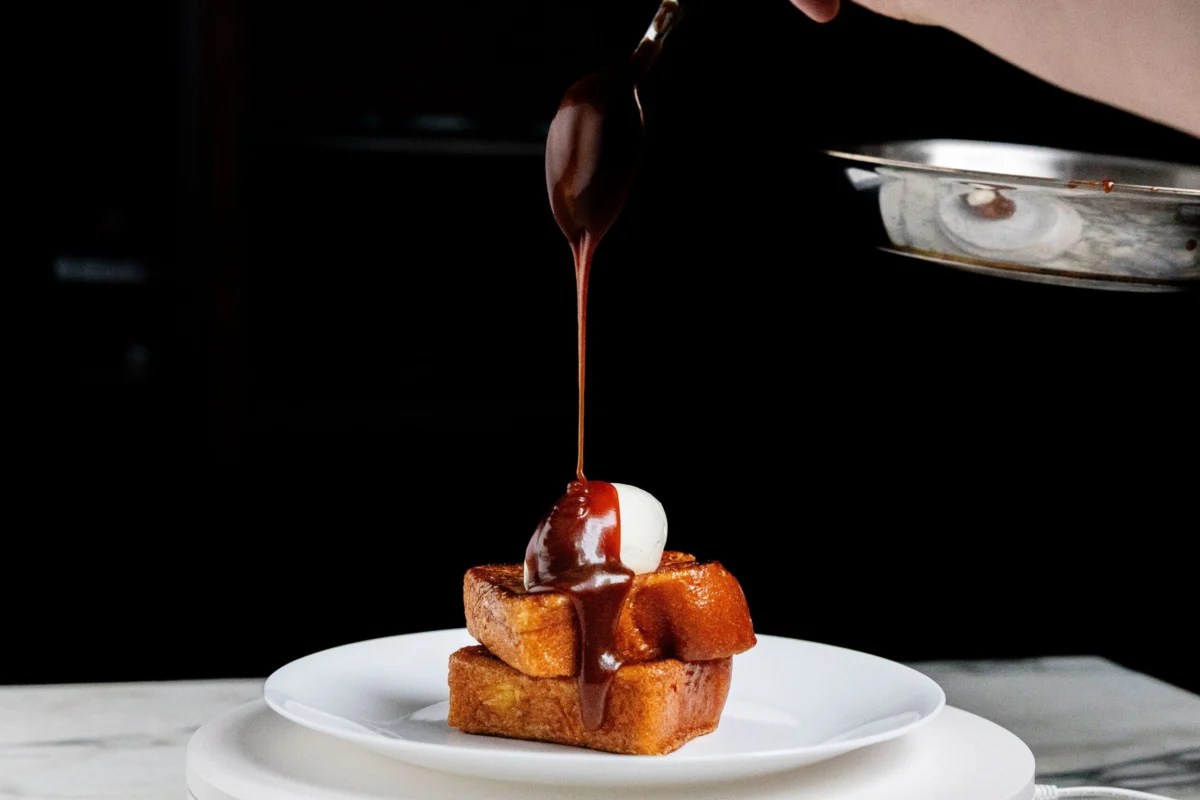
Pain perdu, a dish whose name translates to "lost bread" in French, represents a time-honored culinary tradition of transforming discarded or stale bread into a delectable delicacy. Far from being a mere breakfast item, this French toast progenitor embodies a philosophy of resourcefulness that has sustained its popularity for centuries. At its core, pain perdu involves thick slices of day-old brioche, a rich, buttery bread, that are generously steeped in a luxurious custard. This mixture, typically composed of eggs, milk, and cream, is infused with the warm, aromatic notes of vanilla. The saturated bread is then expertly pan-fried in butter until its exterior achieves a satisfying crispness and a deep golden hue, while the interior remains remarkably tender and custardy, a testament to the transformative power of simple ingredients and careful preparation. This ingenious technique elevates yesterday’s loaf into one of France’s most cherished and versatile culinary creations, bridging the gap between humble origins and sophisticated indulgence.
Chef Alexia Duchêne, a celebrated culinary artist at Le Chêne in New York City, offers a contemporary interpretation that pushes the boundaries of traditional pain perdu. Her refined version is elevated by the addition of a house-made salted caramel sauce, a cloud of whipped mascarpone cream, and a delicate scattering of sea salt. This sophisticated enhancement provides an elegant, yet surprisingly accessible, twist on the classic. Duchêne’s pain perdu is equally suited for the festive atmosphere of a holiday brunch as it is for an intimate dinner party dessert, demonstrating its remarkable adaptability across diverse dining occasions.
The Genesis and Evolution of Pain Perdu
The origins of pain perdu are deeply rooted in the practical necessity of preventing food waste. Historically, in eras where resources were often scarce, discarding perfectly good bread, even if slightly stale, was anathema. The ingenious solution was to rehydrate and re-purpose it. This practice dates back centuries, with early documented recipes appearing as far back as the 14th century. The fundamental principle remains consistent: to revive stale bread by immersing it in a liquid and then cooking it.
The distinction between pain perdu and what is commonly known as French toast in North America lies primarily in tradition and execution. While both share the fundamental technique of soaking bread in an egg-and-dairy mixture before cooking, pain perdu traditionally places a greater emphasis on utilizing bread that is already past its prime. This ensures maximum absorption of the custard without the bread disintegrating. Modern American French toast recipes, on the other hand, sometimes employ thinner slices of bread that might be deliberately dried out in an oven to achieve a specific texture. Chef Duchêne’s rendition, by adhering to the use of day-old brioche and incorporating luxurious toppings like salted caramel and mascarpone cream, firmly anchors her creation in its authentic French heritage while simultaneously embracing a modern palate.
The Art of Bread Selection for Pain Perdu
The choice of bread is paramount to achieving the quintessential pain perdu experience. Brioche, with its high fat content and rich, tender crumb, stands as the traditional and arguably the most ideal choice. Its inherent buttery nature allows it to absorb a substantial amount of custard without becoming overly saturated or losing its structural integrity. This absorption is crucial for achieving the dish’s characteristic custardy interior.
However, other sturdy, enriched loaves can also yield exceptional results. Challah, a braided Jewish bread known for its eggy richness and slightly sweet flavor, is a superb alternative. Similarly, other well-structured enriched breads, particularly those that are a day or two old, will perform admirably. The key is a bread that can withstand prolonged soaking and subsequent cooking without becoming a mushy mess. The slight dryness of day-old bread is precisely what allows it to soak up the custard effectively, creating that perfect balance of textures.
Mastering the Bread’s Moisture Content
The concept of using "day-old" bread for pain perdu is not merely a suggestion; it is the very foundation of its invention. Stale bread, having lost a significant portion of its moisture, acts like a sponge, readily absorbing the custard. This allows the bread to become thoroughly infused with the rich eggy mixture, ensuring that the final product is not only flavorful but also boasts a luxuriously soft and creamy interior.
For those who find themselves with fresh bread and a craving for pain perdu, a simple yet effective method exists to replicate the desired dryness. Arranging slices of fresh bread on a wire rack set within a rimmed baking sheet and baking them in a preheated oven at 300°F (150°C) for approximately 10 to 12 minutes, or until dry to the touch, will achieve the necessary texture. Allowing the bread to cool slightly before proceeding with the custard soak is essential to prevent the bread from becoming too brittle or breaking apart during the immersion process. This pre-treatment ensures that even fresh bread can be transformed into a worthy vessel for the pain perdu custard.
Culinary Techniques and Variations
The preparation of pain perdu is a relatively straightforward process, yet it offers ample room for creative expression. The custard itself is a simple emulsion of eggs, milk, and often cream, seasoned with sugar and vanilla. The ratio of these ingredients can be adjusted to achieve varying degrees of richness and sweetness. Some recipes might incorporate a touch of cinnamon or nutmeg for added warmth and complexity.
Once the bread has been adequately soaked – the duration of which can vary depending on the bread’s density and age – it is typically pan-fried in butter. The heat of the pan should be moderate to ensure that the custard cooks through without the exterior burning. The butter not only prevents sticking but also contributes a crucial layer of flavor and a desirable crispness to the finished product.
Chef Duchêne’s contemporary approach highlights the potential for elevating pain perdu beyond its humble breakfast roots. Her addition of homemade salted caramel sauce introduces a sophisticated sweetness and a delightful salty counterpoint, creating a complex flavor profile. The whipped mascarpone cream adds a luxurious, ethereal lightness, contrasting beautifully with the richness of the bread and caramel. This combination transforms the dish into a sophisticated dessert, suitable for even the most discerning palates. The sprinkle of salt, a seemingly minor detail, is crucial in balancing the sweetness and amplifying the overall flavor experience.
Nutritional Considerations and Serving Suggestions
While pain perdu is undoubtedly a treat, its rich ingredients mean it is best enjoyed in moderation. A typical serving, depending on the bread and custard composition, can be calorie-dense. However, its satisfying nature means a small portion can often be sufficient.
The versatility of pain perdu extends to its serving. Traditionally served for breakfast or brunch, it pairs well with fresh fruit, such as berries or sliced bananas, which offer a refreshing contrast to its richness. A dusting of powdered sugar or a drizzle of maple syrup are classic accompaniments. For those embracing Chef Duchêne’s elevated version, the salted caramel and mascarpone cream become integral components of the dish, negating the need for additional sweeteners.
Beyond its sweet applications, savory variations of pain perdu also exist, where the custard is seasoned with herbs and spices, and the bread is served with savory toppings like cheese or cured meats. This adaptability further underscores its status as a foundational dish with broad culinary appeal.
The Broader Impact: Food Sustainability and Culinary Innovation
The enduring popularity of pain perdu speaks volumes about the growing global awareness of food sustainability and waste reduction. In an era where concerns about environmental impact and resource management are at the forefront, dishes that repurpose food that might otherwise be discarded are gaining renewed appreciation. Pain perdu serves as a tangible example of how culinary ingenuity can address these challenges, transforming potential waste into celebrated cuisine.
Furthermore, the ongoing evolution of pain perdu, as exemplified by Chef Duchêne’s innovative approach, demonstrates the dynamic nature of culinary traditions. While respecting historical roots, chefs and home cooks alike are constantly finding new ways to interpret and enhance classic dishes. This spirit of innovation ensures that traditional recipes remain relevant and exciting for contemporary audiences, fostering a continuous dialogue between the past and the present in the culinary world. The dish’s journey from a simple act of thrift to a sophisticated dessert underscores the timeless principle that creativity and resourcefulness can yield extraordinary results.
Making Pain Perdu Ahead: Planning for Success
For those planning to entertain or simply seeking to streamline their morning routine, the question of preparing pain perdu in advance is a common one. While the dish is best enjoyed fresh for optimal texture, certain components can indeed be prepared ahead of time.
The luxurious accompaniments, such as the salted caramel sauce and the whipped mascarpone cream, are ideal candidates for advance preparation. The salted caramel sauce can be made up to a week in advance and stored in an airtight container in the refrigerator. Similarly, the whipped mascarpone cream can be prepared up to one day ahead and kept chilled. These elements, when made in advance, significantly reduce the last-minute effort required to assemble the dish.
However, it is crucial to note that the bread itself should ideally be soaked and cooked just before serving. Soaking the bread too far in advance can lead to it becoming waterlogged and losing its desirable texture. Likewise, cooking the bread ahead of time will result in a less crisp exterior and a less custardy interior by the time it is served. The magic of pain perdu lies in the delicate balance of crisp exterior and tender, custardy interior, a balance that is best achieved when the final cooking stages are performed immediately before consumption. This ensures that each bite delivers the intended textural and flavorful experience.
Further Exploration of French Culinary Classics
The world of French cuisine offers a rich tapestry of dishes that, much like pain perdu, embody a blend of history, technique, and exquisite flavor. For those inspired by Chef Duchêne’s refined approach and the foundational principles of French cooking, exploring other classic recipes can be a deeply rewarding culinary journey.
The Bistro-Style Croque Monsieur represents another iconic French comfort food, a grilled ham and cheese sandwich elevated with béchamel sauce and Gruyère cheese, offering a savory counterpoint to the sweetness of pain perdu. For those seeking heartier fare, Poulet Rôti, or roasted chicken, showcases the French mastery of simple ingredients cooked to perfection, often infused with herbs and aromatics.
Vegetable enthusiasts will find delight in Ratatouille, a vibrant Provençal stew of summer vegetables that celebrates the bounty of the garden. And for an exercise in classic technique and delicate flavors, Dover Sole Meunière, a pan-fried sole with a lemon-butter sauce, stands as a testament to the elegance and precision of French culinary artistry. These dishes, alongside pain perdu, offer a comprehensive glimpse into the enduring appeal and sophisticated simplicity that define French gastronomy. Each recipe, in its own right, tells a story of tradition, technique, and the unwavering pursuit of deliciousness.

0 Comments