
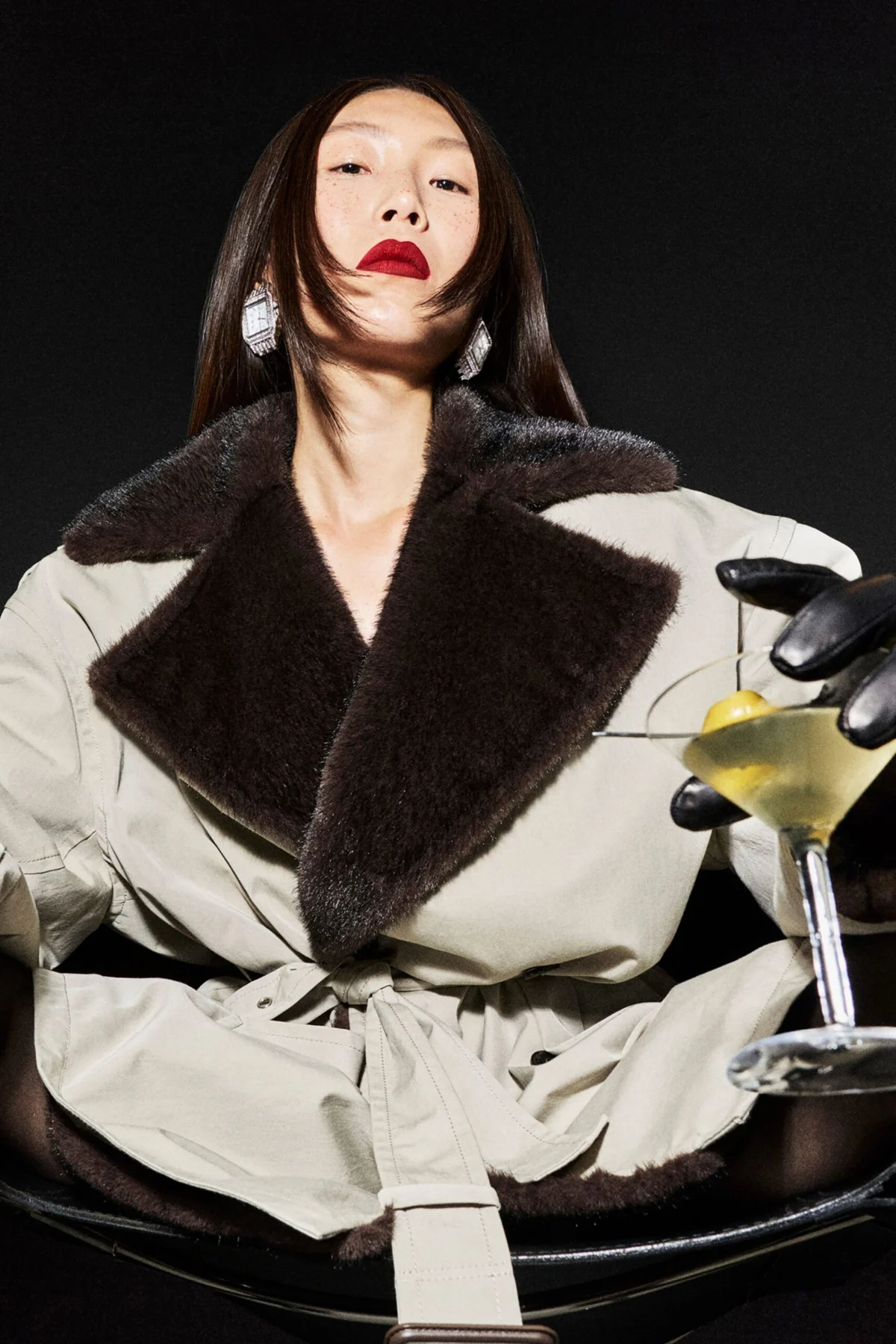
The Alexander Wang Fall collection serves as a definitive pivot for the New York-based designer, attempting to reconcile a self-described "feeling for extreme opulence" with a stark, streamlined aesthetic that prioritizes restraint over excess. While the term opulence traditionally conjures images of gilded fabrics and heavy ornamentation, Wang’s interpretation for the season manifests through a sophisticated interplay of slate gray and black, utilizing texture and silhouette to convey luxury rather than traditional embellishment. The collection features a series of sleek blazers and substantial padded coats rendered in imposing black leather, projecting a "tough-girl" persona that has long been a hallmark of the brand’s DNA. This rigor is punctuated by idiosyncratic details, such as fur belts constructed from wire and "frozen" in undulating, wave-like shapes, which provide a playful counterpoint to the collection’s otherwise disciplined architecture.
A Synthesis of Materiality: Faux Fur and Rhinestones
The core of Wang’s "opulence" is built upon two primary motifs: faux fur and rhinestones. These materials, often associated with high-octane glamour, are integrated into the collection with a utilitarian sensibility. Faux fur appears not just as a decorative element but as a functional component, lining denim jackets and forming the substantial lapels of technical khaki nylon trench coats. It also serves as a trim for denim miniskirts, bridging the gap between street-style staples and high-fashion luxury.
The application of fur takes a more experimental turn in pieces inspired by Surrealism, specifically echoing the work of Meret Oppenheim. This is seen in a fuzzy tank top and a fluffy bra layered over a leather dress, the latter of which the designer identified as a personal favorite. The "gestural" nature of the collection is further emphasized through the use of squiggly faux fur belts, which were reimagined as the hemlines of cropped high-neck sweaters and logo t-shirts. According to Wang, these elements are designed to mimic the casual attitude of tying a shirt around the waist, transforming a mundane styling choice into a permanent structural feature of the garment.
Rhinestones, the second major motif, are utilized to create texture on body-skimming dresses. Available in both mini and maxi lengths, these pieces often feature a "yanked-and-tied" detail at the hip, creating a draped effect. This specific design element was inspired by a photograph of supermodel Kate Moss leaving a party with her gown hem lifted and tied after it had been damaged. This reference to "glamour in distress" aligns with the collection’s overarching theme of effortless, lived-in luxury.
Technical Construction and Geometric Silhouettes
Beyond the surface-level embellishments, the Fall collection introduces a series of garments characterized by their geometric simplicity. Wang noted that the goal was for the pieces to feel "minimal and not so worked," despite the underlying complexity of their construction.
Key highlights of this approach include:
- Cylindrical Knit Maxi Dresses: Simple tubes of fabric with integrated armholes and floppy cowl necks, emphasizing verticality and ease of movement.
- Slinky Capes: Constructed from a single large half-circle of fabric, providing a dramatic yet uncomplicated silhouette.
- Donut Pattern Dresses: A "frisky" mini dress featuring a draped and folded hemline resulting from a continuous, circular pattern.
These pieces represent a departure from the highly structured tailoring of previous seasons, moving toward a "breezy" aesthetic where the crystal embellishments serve as the final layer of a fundamentally simple design.
The Return of the Rocco: Market Strategy and Nostalgia
A significant component of the collection’s commercial strategy is the relaunch of the Rocco bag, a defining accessory of the early 2010s "It-bag" era. Known for its heavily grommeted bottom and substantial weight, the original Rocco became a staple for fashion enthusiasts during Wang’s initial rise to prominence. The new iteration is being introduced in three different sizes and, notably, features a significantly lighter construction to meet modern consumer preferences for functionality.
The decision to bring back the Rocco bag coincides with a broader cultural shift toward 2010s nostalgia, often referred to in fashion circles as "Indie Sleaze." This trend is driven by a younger demographic—Gen Z and younger Millennials—who are rediscovering the aesthetics of the Tumblr era. Market data suggests that the luxury resale market for 2010s-era bags has seen a 15% increase in searches over the last 18 months, indicating a ripe environment for the reintroduction of archival hits.
Cultural Catalysts and Industry Context
Wang’s creative direction for the season was partially influenced by contemporary cultural figures, specifically the resurgence of the "party girl" aesthetic championed by artists like Charli XCX. The designer recounted an experience watching Charli XCX perform at the Outside Lands music festival, which triggered a sense of déjà vu. This feeling of familiarity—a return to the high-energy, irreverent atmosphere of his early career—permeates the Fall collection.
The collection’s timing is strategic. As the fashion industry moves away from the "Quiet Luxury" trend that dominated 2023, there is a growing appetite for "Irreverent Gaudiness" and expressive maximalism. Wang’s ability to blend this gaudiness with minimalist silhouettes positions the brand to capture both the nostalgia-driven market and those seeking modern, wearable luxury.
Chronology of the Alexander Wang Brand Evolution
To understand the significance of the Fall collection, it is necessary to view it within the context of the brand’s recent history:
- 2007-2012: The "Model-Off-Duty" Era. Wang becomes the darling of New York Fashion Week, known for his "downtown cool" aesthetic and high-production runway shows.
- 2012-2015: The Balenciaga Tenure. Wang serves as Creative Director for the French house, refining his technical skills and understanding of luxury heritage.
- 2016-2019: Expansion and Independence. The brand moves away from the traditional fashion calendar, opting for "Collection 1" and "Collection 2" drops in June and December.
- 2020-2023: Rebuilding and Redefining. Following a period of relative quiet and internal restructuring, the brand begins to re-engage with its core audience through targeted celebrity placements and archival-inspired designs.
- Fall Collection: The "Modern Opulence" Phase. The current collection marks a full-circle moment, reclaiming the 2010s energy while applying a more mature, refined lens to the design process.
Broader Impact and Implications for the Fashion Landscape
The Fall collection’s focus on "easy" minimalism paired with "extreme" embellishment reflects a larger trend in the global luxury market. Consumers are increasingly looking for versatility—garments that can transition from high-end events to casual environments without sacrificing a sense of "edge."
Furthermore, Wang’s use of faux fur aligns with the industry’s ongoing shift toward ethical sourcing. As more luxury conglomerates commit to fur-free policies, the challenge for designers is to create synthetic alternatives that carry the same weight and tactile appeal as the real thing. Wang’s "gestural" use of faux fur demonstrates that the material can be used as a creative tool rather than just a substitute.
The reintroduction of the Rocco bag also highlights a shift in how brands manage their heritage. Rather than focusing solely on new silhouettes, brands are mining their archives to provide a sense of continuity and stability. For Alexander Wang, a brand that was once synonymous with the zeitgeist of the 2010s, this archival approach is not just a nostalgic trip but a calculated move to re-establish its dominance in the contemporary accessory market.
In conclusion, the Alexander Wang Fall collection is a sophisticated exercise in balancing contradictions. By merging the "tough-girl" leather and slate grays of his early career with experimental geometric shapes and nostalgic "It-girl" references, Wang has created a body of work that feels both familiar and forward-looking. The collection suggests that "extreme opulence" in the modern era is less about the price tag or the rarity of the material and more about the attitude and the "gestural" way in which the clothes are worn. As the brand continues to navigate its second decade, this blend of irreverence and restraint will likely serve as its most potent asset.

0 Comments