
Croatia has undergone a monumental transformation over the past two decades, evolving from a post-conflict Mediterranean recovery story into one of the world’s most coveted high-end travel destinations. With a coastline stretching over 1,700 kilometers and an archipelago of more than 1,200 islands, the nation has leveraged its natural assets—including the turquoise waters of the Adriatic, ancient Roman ruins, and UNESCO-protected medieval towns—to attract a new demographic of affluent international travelers. This shift has necessitated a rapid expansion in the luxury hospitality sector, moving away from the mass-market, state-run models of the late 20th century toward sophisticated, design-led boutique hotels and five-star resorts that cater to a global elite.
The current landscape of Croatian tourism is defined by a strategic move toward sustainability and high-value offerings. According to data from the Croatian Ministry of Tourism and Sport, the sector contributes approximately 20% to the national Gross Domestic Product (GDP), one of the highest dependencies in the European Union. In 2023, Croatia recorded more than 20 million tourist arrivals and over 100 million overnight stays, nearing pre-pandemic records and signaling a robust recovery. However, the focus of the Croatian National Tourist Board (HTZ) has shifted from sheer volume to the quality of the visitor experience, a trend evidenced by the surge in luxury hotel openings in key hubs such as Dubrovnik, Split, Istria, and the island of Hvar.
A Chronology of Tourism Development
The trajectory of Croatia’s tourism industry can be divided into several distinct phases. Following the Croatian War of Independence in the early 1990s, the country faced the dual challenge of rebuilding infrastructure and rebranding itself to a skeptical international audience. The early 2000s marked a period of stabilization, during which Croatia began to appear on the radar of budget-conscious European travelers seeking alternatives to the crowded beaches of Italy and Spain.
A significant turning point occurred in 2013, when Croatia officially became the 28th member of the European Union. This accession streamlined travel regulations and encouraged foreign direct investment in the hospitality sector. The "Game of Thrones effect" shortly followed, as the use of Dubrovnik and Split as filming locations for the popular television series brought unprecedented global exposure, particularly from the North American and Asian markets.
The most recent milestone in this chronology occurred on January 1, 2023, when Croatia simultaneously joined the Schengen Area and adopted the Euro as its official currency. These transitions eliminated border checks for most EU travelers and removed currency exchange hurdles, further integrating the country into the premium European travel circuit. This integration has been a primary driver for the recent influx of luxury hotel developments, as investors seek to capitalize on the ease of access for high-net-worth individuals from the Eurozone.
The Rise of Sophisticated Hospitality
The emergence of a "new breed" of hotels in Croatia represents a departure from the traditional hotelier model. Today’s market is characterized by three primary categories: revamped historic palaces, modernist seaside resorts, and secluded countryside boltholes.
In Dubrovnik, the "Pearl of the Adriatic," the hospitality market is anchored by iconic properties like Villa Dubrovnik. Perched on a cliffside overlooking the Lokrum island and the Old Town, Villa Dubrovnik exemplifies the shift toward understated luxury. Unlike the sprawling resorts of the past, these properties prioritize privacy, personalized service, and architectural integration with the landscape. The city has seen a concentrated effort to preserve its heritage while offering modern amenities, leading to the restoration of several 16th-century stone palaces into boutique five-star accommodations.
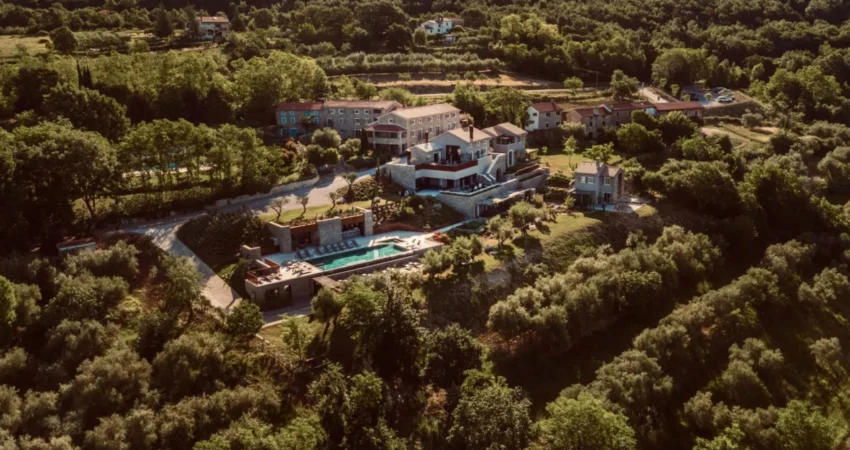
Further north, the region of Istria has carved out a niche as the "New Tuscany." This peninsula, known for its truffle-rich forests and hilltop vineyards, has seen a rise in "countryside boltholes"—smaller, high-end estates that offer a pastoral escape. These developments, such as the Meneghetti Wine Hotel & Winery, focus on enogastronomy (food and wine tourism), appealing to travelers who seek an artisanal experience away from the coastal crowds.
Statistical Overview and Economic Impact
The economic significance of the luxury segment is reflected in the investment data. In 2023, the Croatian government and private investors funneled over €500 million into hotel construction and renovation. The Ministry of Tourism’s "Strategy for the Development of Sustainable Tourism until 2030" explicitly prioritizes the construction of four- and five-star facilities to reduce the environmental impact of mass tourism while increasing per-capita spending.
Current market data indicates that luxury hotels in Croatia maintain higher occupancy rates during the "shoulder seasons" (May–June and September–October) compared to budget accommodations. This is a critical metric for a country grappling with extreme seasonality. By offering heated infinity pools, world-class spas, and indoor wellness facilities, high-end hotels are successfully extending the tourist season, providing more stable year-round employment for the local workforce.
Official Responses and Strategic Shifts
Government officials and industry leaders have been vocal about the need for a balanced approach to growth. Kristjan Staničić, Director of the Croatian National Tourist Board, has frequently emphasized that Croatia’s goal is not to become a destination of millions of budget tourists, but rather a destination of "exceptional experiences."
In a recent statement regarding the 2024 tourism outlook, the Ministry of Tourism highlighted the implementation of the new Tourism Act. This legislation grants local governments the power to limit the number of tourist rentals and imposes stricter environmental standards on new hotel developments. "We are entering a phase of management rather than just promotion," a ministry spokesperson noted. "Our focus is on the long-term protection of our natural and cultural resources, which are the very things that make Croatia a luxury destination in the first place."
Industry analysts suggest that this regulatory shift is a response to "overtourism" concerns in cities like Dubrovnik, where the local population has occasionally felt sidelined by the sheer volume of cruise ship passengers. The pivot toward luxury hotels is seen as a way to mitigate these pressures, as high-end guests typically stay longer and contribute more to the local economy with a smaller physical footprint.
Regional Analysis: Diversity of Offerings
The diversification of Croatia’s hotel portfolio reflects the country’s varied topography.
- The Dalmatian Coast and Islands: The islands of Hvar, Brač, and Korčula have become magnets for the international yachting community. Hvar Town, in particular, has seen the opening of properties like the Maslina Resort, which utilizes "mindful luxury" as its core philosophy, featuring organic materials and a focus on wellness. This caters to the growing "slow travel" movement.
- The Kvarner Gulf: This region, historically a retreat for the Austro-Hungarian nobility, is undergoing a renaissance. Opatija, often called the "Nice of the Adriatic," is seeing its grand Belle Époque villas restored to their former glory, blended with contemporary luxury standards.
- Zagreb and the Interior: While the coast remains the primary draw, the capital city, Zagreb, has seen an uptick in business-luxury hospitality. Properties like the Esplanade Zagreb Hotel continue to serve as a bridge between Croatia’s Central European history and its modern Mediterranean identity.
Broader Implications and Future Outlook
The transformation of Croatia into a luxury hot spot has broader implications for the Adriatic region. It has set a precedent for neighboring Montenegro and Albania, which are now looking to the "Croatian model" of high-end tourism development. However, the rapid rise in property values and the cost of living in coastal hubs remains a point of domestic concern. As the hotel industry continues to professionalize, there is an ongoing debate regarding the balance between international investment and the preservation of local community life.
Looking forward, the Croatian hospitality sector is expected to lean further into digitalization and green energy. Many of the new "sophisticated hotels" are incorporating solar power, desalination plants, and zero-waste kitchen policies to meet the demands of the modern, environmentally conscious traveler.
In conclusion, the evolution of Croatia’s hotel industry is a reflection of the country’s broader journey toward European integration and economic maturity. By successfully transitioning from a rugged, "undiscovered" frontier to a polished, high-end destination, Croatia has secured its place on the global stage. The continued success of this sector will depend on the delicate management of its natural beauty against the backdrop of increasing global demand, ensuring that the very qualities that made the Adriatic "idyllic" are preserved for future generations of travelers.

0 Comments