
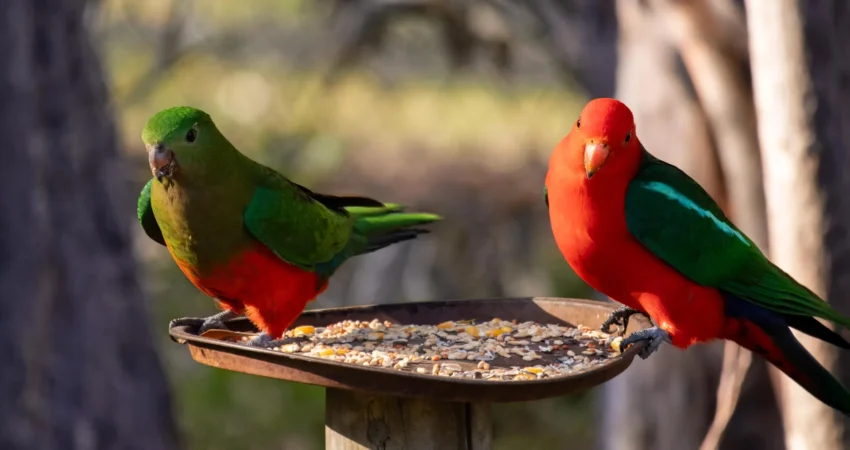
Backyard bird feeding, a cherished national pastime deeply ingrained in the Australian way of life, is now facing unprecedented scrutiny. Recent research indicates that approximately half of all Australian households regularly participate in feeding wild birds, with a significant portion doing so on a daily basis. This widespread practice, born out of a desire to connect with nature and offer support to avian populations, may inadvertently be transforming into a potent conduit for the highly pathogenic H5N1 avian influenza virus. This deadly strain of bird flu has already inflicted devastating losses on wild bird and mammal populations across the globe. Now, it is steadily advancing through Australia, most recently resulting in the deaths of over 1,000 crested terns and the first confirmed detection of the virus in a mainland mammal – a long-nosed fur seal.
The H5N1 virus, often referred to as bird flu, represents a grave threat to both avian and, in rarer instances, mammalian health. Its rapid spread has been a cause for international concern, prompting extensive monitoring and response efforts. The current outbreak in Australia marks a critical juncture, highlighting the potential for the virus to jump species barriers and impact native wildlife populations, some of which are already vulnerable.
The Dual Nature of Backyard Feeding
While the act of feeding wild birds is deeply rooted in a sense of compassion and a desire for connection with the natural world, it is not without its controversies. Concerns have been raised for years regarding the suitability of food offered by well-intentioned individuals, with some items potentially proving detrimental to bird health. Furthermore, there is a growing apprehension that an over-reliance on human-provided sustenance can lead to a decline in natural foraging behaviors and an unhealthy dependence on artificial food sources. However, the emergence of H5N1 has amplified these concerns, introducing a new and potentially catastrophic dimension to the practice.
Amplifying Transmission Pathways
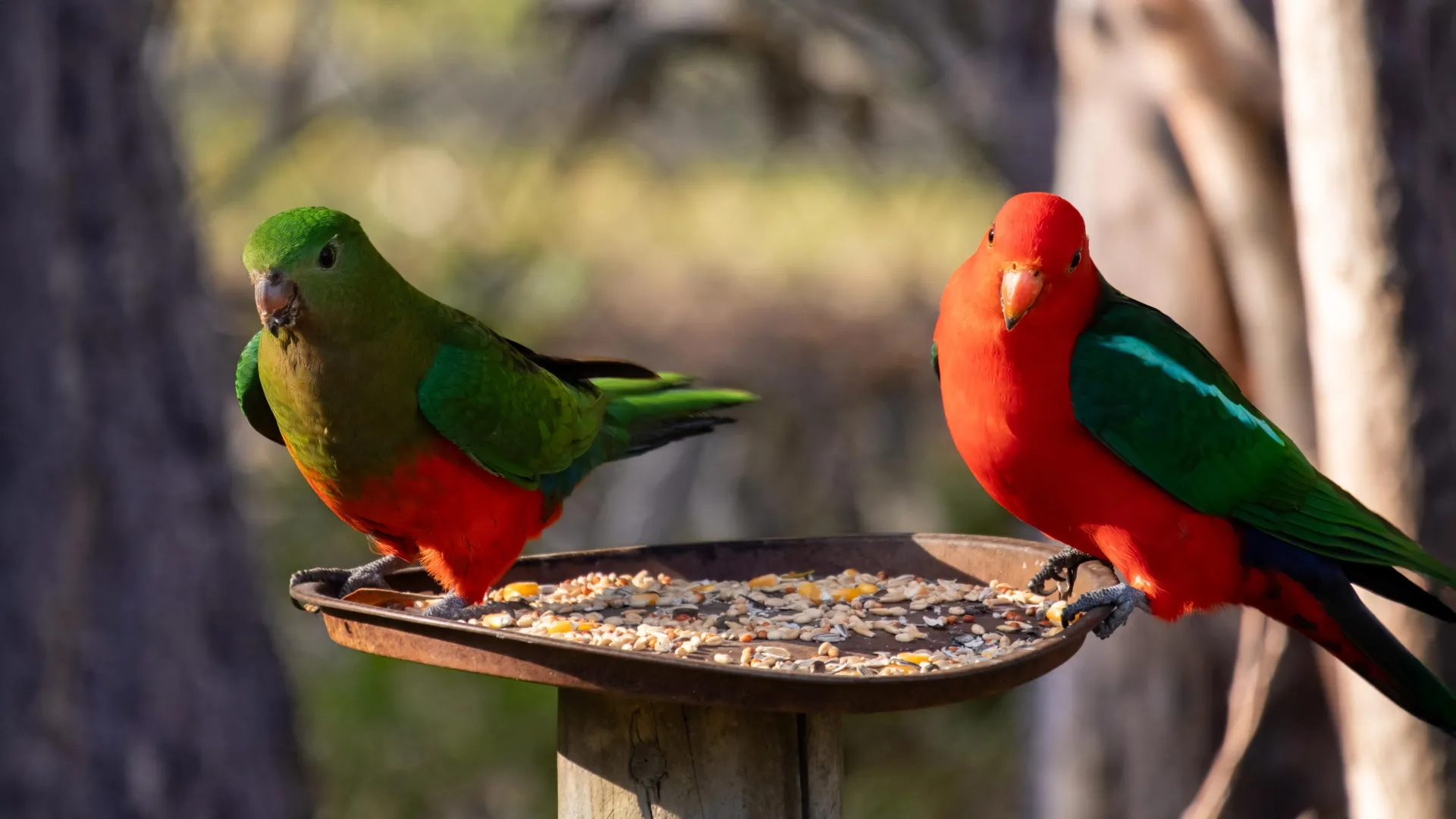
The core issue lies in how supplementary feeding practices can create environments conducive to disease transmission. When humans offer food, such as seeds, bread, or meat scraps, they create an artificial congregation of birds from various species and in numbers that would not naturally occur. This close proximity, combined with the introduction of potentially contaminated food sources or surfaces, significantly increases the risk of pathogen transfer. Birds that are carriers of the H5N1 virus can readily transmit it to other susceptible individuals within these dense feeding aggregations.
This phenomenon effectively transforms backyards into "superspreader events" for avian influenza. A superspreader event is defined as an instance where a disease infects an unusually high number of individuals, either people or animals, from a single source or location. In the context of bird flu, these backyard feeding stations can become potent hotspots for viral propagation, acting as incubators for the disease.
A Threat to Biodiversity
The implications of unchecked H5N1 spread are far-reaching, extending beyond individual bird deaths. Australia’s unique and often fragile biodiversity is at significant risk. Critically endangered species, such as the orange-bellied parrot, which already face numerous conservation challenges, could be pushed closer to the brink of extinction by a virulent outbreak. The virus’s ability to decimate wild bird populations poses an existential threat to species already struggling for survival.
Beyond Birds: Mammalian and Human Risks
The impact of H5N1 is not confined solely to avian populations. Scavenger animals, including native possums, introduced red foxes, and common crows, are also at risk. These animals can become infected by consuming the carcasses of birds that have succumbed to the virus. While the risk of direct human transmission of H5N1 from birds is generally considered low, it is not non-existent. Individuals who have close contact with infected wildlife, such as wildlife carers, veterinarians, or those involved in carcass clean-up, are at a higher risk of contracting the virus. However, current data suggests that human infections typically result in mild symptoms, though the long-term implications of repeated exposure are still being studied.
Chronology of Concern: The Escalating H5N1 Threat
The global concern surrounding H5N1 has been escalating for years. First identified in the late 1990s, the virus has undergone several mutations, leading to strains with varying degrees of virulence and transmissibility. In recent years, a particularly aggressive strain has emerged, causing widespread mortality events in poultry and wild bird populations across Asia, Europe, and Africa.
The arrival of H5N1 in Australia represents a significant development, moving the virus into a new continent with a unique ecological landscape. Initial detections were primarily in wild birds, often found deceased in coastal areas. The recent confirmation of the virus in a mainland mammal marks a concerning escalation, indicating the virus’s adaptability and its capacity to infect a broader range of species. The reported deaths of over 1,000 crested terns serve as a stark indicator of the virus’s potency in wild bird populations.
Expert Analysis and Official Responses
Leading ornithologists and wildlife disease experts have voiced growing concerns about the role of backyard bird feeding in exacerbating the H5N1 crisis. Dr. Eleanor Vance, a prominent avian ecologist at the University of Sydney, commented, "While the intention behind feeding wild birds is commendable, we are now at a critical juncture where this practice can inadvertently facilitate the rapid spread of a devastating disease. The close proximity of birds at feeding stations creates ideal conditions for H5N1 transmission. Our current understanding suggests that many of these birds can find adequate nutrition from natural sources, making supplementary feeding less of an essential lifeline and more of a potential risk multiplier."
Government agencies, including the Department of Agriculture, Fisheries and Forestry and state biosecurity departments, are actively monitoring the H5N1 situation. While no widespread mandates have been issued to cease backyard bird feeding, public health advisories are being disseminated. These advisories emphasize the importance of hygiene and responsible feeding practices. Biosecurity officials are urging the public to report any sightings of sick or dead birds or marine mammals immediately.
Data Supporting the Risk
Previous research has provided substantial evidence that most birds visiting feeders obtain the majority of their nutritional requirements from natural sources, such as insects, seeds, and worms. This suggests that the food provided by humans, while enjoyed, is often supplementary rather than essential for survival. Studies have also indicated that concentrated feeding sites can lead to higher parasite loads and stress levels in birds, further compromising their health and resilience to disease.
Mitigating the Risks: Towards Safer Practices
Given the escalating threat of H5N1, individuals who continue to feed wild birds are urged to adopt stringent precautions. The most effective measure to prevent disease transmission is to cease feeding altogether. By not offering food, the congregation of birds at feeding sites is significantly reduced, thereby diminishing the opportunities for the virus to spread.
For those who choose to continue feeding, a multi-pronged approach is recommended:
-
Reduce the Quantity of Food Offered: Overfilling feeders attracts larger numbers of birds, increasing the density at feeding sites. Offering a reduced amount of food can help to disperse birds and lower the risk of transmission, akin to social distancing principles implemented during human pandemics.
-
Discontinue Hand-Feeding: The intimate act of a bird feeding from a hand, while a rewarding experience for many, poses a direct contact risk. In the current H5N1 climate, this practice should be avoided entirely. The potential for human transmission, however rare, outweighs the perceived benefits of such close interaction.
-
Prioritize Hygiene: Regular and thorough cleaning of all feeding surfaces, equipment, and surrounding areas is paramount. The use of a dilute domestic bleach solution can effectively disinfect surfaces and kill the virus. A commitment to rigorous cleaning is essential for anyone intending to continue feeding wild birds. Failure to maintain these standards negates any potential benefits and actively increases the risk.
Broader Implications and a Call to Action
The current H5N1 outbreak in Australia presents a critical challenge that requires a collective response. While backyard bird feeding is a deeply cherished activity, its potential to exacerbate the spread of this deadly virus cannot be ignored. The well-being of both our wildlife and ourselves depends on adopting responsible practices.
The temporary cessation or modification of backyard bird feeding, particularly during periods of heightened H5N1 risk, is a crucial step in protecting our natural heritage. While avian visitors may express their displeasure through a lack of expected treats, these measures are vital for safeguarding them and ourselves from a serious and potentially devastating disease.
Important Public Health Advisory:
In the event of encountering sick or deceased birds or marine mammals, the public is strongly advised against direct contact. Instead, individuals should:
- Record the exact location of the sighting.
- Take photographs from a safe distance.
- Keep domestic pets away from the affected area.
- Immediately report the sighting to the Emergency Animal Disease Hotline on 1800 675 888.
This proactive approach to reporting and prevention is essential for effective disease surveillance and response efforts across Australia.

0 Comments