
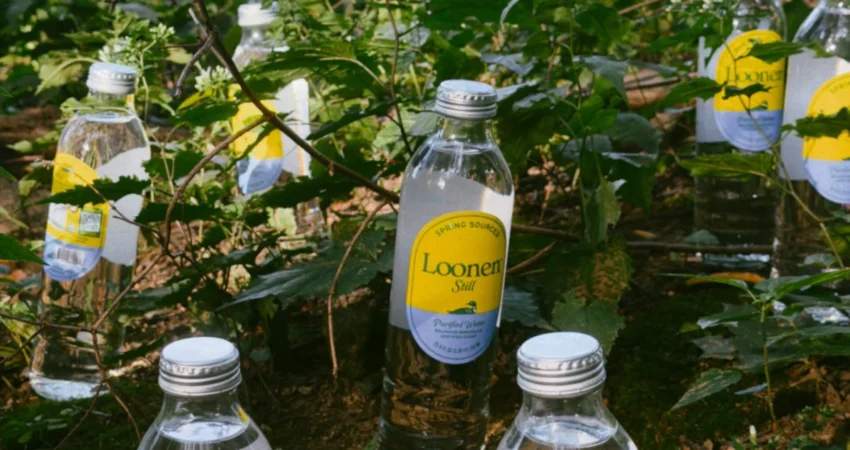
In an evolving landscape of consumer preferences, where health optimization and the avoidance of perceived toxins have become paramount, a new contender has emerged in the luxury bottled water market: Loonen. Launched in November 2025, this premium water brand has rapidly ascended from a niche product to a cultural phenomenon, capturing the attention of influencers, celebrities, and discerning consumers alike. Its success is a testament to a potent combination of strategic marketing, a sleek aesthetic, and a compelling narrative centered on purity in an age increasingly concerned with microplastic contamination.
For decades, the bottled water industry has seen a cyclical rise and fall of status symbols. The early 2000s were dominated by the exotic allure of Fiji Water, its distinctive bottle a clear indicator of affluence. By the 2010s, the millennial generation gravitated towards the playful, brightly colored cans of La Croix, a sparkling water that signaled a more casual, yet health-conscious, approach to hydration. The early 2020s then witnessed the meteoric rise of Liquid Death, a brand that subverted traditional water marketing with its punk-rock aesthetic and aggressive messaging, resonating deeply with Gen Z. Now, as 2026 dawns, the market is witnessing the ascendance of what are being termed "wellness waters"—beverages infused with ingredients like oxygen, hydrogen, or formulated to be alkaline and rich in electrolytes, appealing to consumers seeking to proactively enhance their health.
Loonen, however, has carved a distinct path by focusing on what it excludes rather than what it includes. In direct opposition to the trend of additive-laden wellness waters, Loonen’s primary marketing angle is its absence of microplastics, a ubiquitous and increasingly alarming health concern. This deliberate focus on negation has struck a chord with a public grappling with the pervasive presence of microplastics in their food, air, and water.
The brand’s distinctive tall, wavy bottle, a design choice that has become instantly recognizable, began appearing on the social media feeds of prominent influencers and celebrities in late 2025 and early 2026. Figures like Brooks Marks and Dua Lipa were early adopters, their endorsements amplifying Loonen’s visibility. The water was also spotted in the aisles of high-end grocery stores renowned for their curated selections, such as Meadow Lane, Happier Grocer, and Erewhon, further solidifying its image as a luxury item. This widespread presence fueled curiosity, leading to discussions in online forums like Reddit, with threads questioning, "What the fuck is Loonen Water?" – a sentiment that underscored its rapid entry into the cultural conversation.
Priced at nearly $6 per bottle, Loonen occupies the higher end of the luxury water market. Its marketing, however, goes beyond mere price point to emphasize a promise of unparalleled purity. This narrative is central to its appeal, positioning it as more than just a beverage, but a statement about a consumer’s commitment to health and a rejection of potential contaminants.
The Strategic Pillars of Loonen’s Success
The rapid ascent of Loonen can be attributed to a multi-faceted strategy that expertly blends product innovation with savvy marketing. Co-founder Clara Sieg elucidates the company’s approach, stating, "We send water to people who we think might love the product." This direct influencer seeding program has been instrumental in generating organic buzz and establishing a perception of desirability. The selection of influencers and celebrities is clearly deliberate, targeting individuals whose audiences align with a premium lifestyle and an interest in wellness trends.
Beyond its marketing outreach, the physical design of the Loonen bottle plays a crucial role in its perceived value. Sieg highlights its ergonomic qualities: "It’s thin, it feels nice in-hand. It has a wide spout. You can [dump] your electrolyte powders into it." This thoughtful design not only enhances the user experience but also subtly encourages consumers to integrate Loonen into their existing wellness routines, further embedding it within the "optimization" culture. The bottle’s aesthetic, coupled with influencer endorsement, cultivates an aura of exclusivity and aspirational living. Consumers are not merely purchasing hydration; they are investing in a lifestyle that signifies wealth, status, and a proactive approach to well-being.
However, Loonen’s triumph is intrinsically linked to a broader societal shift in consumer behavior. The act of buying bottled water has transcended its basic function of quenching thirst. It has evolved into a ritualistic pursuit of health optimization, mirroring trends like the "protein-maxxing" movement, the MAHA lifestyle, and the burgeoning enthusiasm for raw milk. In an era marked by a growing distrust in conventional food systems, consumers are increasingly willing to pay a premium for products that offer a perceived guarantee of purity and promote a sense of well-being.
Loonen capitalizes on this sentiment by emphasizing its purity claims, particularly its microplastic-free status. This commitment is buttressed by rigorous, third-party laboratory testing, the results of which are publicly available on the brand’s website. This transparency is a powerful differentiator in a market often criticized for its lack of clear information. Yet, some experts remain circumspect. Water sommelier Martin Riese, for instance, offers a more critical perspective, characterizing Loonen as "processed spring water with a catchy label" and noting, "Americans love marketing stories with a sprinkle of fear mongering. I am too hydrated for that." This sentiment highlights a divide between the marketing narrative and a more scientifically grounded view of water’s health benefits.
The Pervasive Threat of Microplastics
The emphasis on microplastic avoidance by brands like Loonen is not without significant scientific backing. Microplastics, defined as plastic particles less than 5 millimeters in diameter, have become a pervasive environmental and health concern. A comprehensive review of studies published in Frontiers in Cell and Developmental Biology confirms their widespread presence across various ecosystems, including bodies of water, soil, and the atmosphere, and their integration into food systems.
Further research, such as a study published in Frontiers in Chemistry, suggests a concerning disparity in microplastic content between bottled and tap water, with bottled varieties often containing higher levels. The health implications of microplastic ingestion are a subject of intense scientific scrutiny. Evidence links these particles to a range of adverse health outcomes, including an increased risk of cancer, respiratory ailments, and reproductive health issues. The Frontiers in Cell and Developmental Biology review even posits that microplastics may systematically accelerate the aging process and elevate the risk of age-related diseases.
Moreover, emerging research indicates that microplastics can interfere with the endocrine system, the body’s crucial hormone regulator. Disruptions to this system can have far-reaching consequences, potentially impacting development, metabolism, immunity, and cognitive function, according to expert consensus. This scientific understanding provides a strong foundation for consumer anxiety and the demand for products that mitigate these risks.
Deconstructing "Purity" in Bottled Water
Loonen’s assertion of superior purity hinges on its processing and packaging methods. In contrast to many major bottled water brands, which often utilize tap water as their source, Loonen distinguishes itself through its commitment to plastic-free handling. Brands like Dasani (owned by Coca-Cola) and Aquafina (owned by PepsiCo) typically source municipal tap water, subject it to purification processes that may remove natural minerals, and then bottle it. While tap water generally contains lower levels of microplastics than bottled water, the bottling process itself can introduce contamination if plastic materials are involved.
A significant study published in the Proceedings of the National Academy of Sciences (PNAS) revealed a startlingly high concentration of microplastic particles—nearly 250,000 per liter—in some brands of bottled water. This highlights a critical vulnerability in the conventional bottled water industry.
Loonen’s approach circumvents this issue by employing glass bottles, a material that does not leach microplastics. The company further emphasizes that its sealing caps are unpainted, uncoated, and free from harmful chemicals like PFAs and BPA. The entire production chain, from sourcing to bottling, is designed to avoid contact with plastic materials, rendering the risk of microplastic contamination negligible. This meticulous attention to detail in packaging and processing forms the bedrock of Loonen’s purity claims and provides a tangible advantage in a market where plastic contamination is a growing concern.
Market Evolution and Consumer Expectations
The trajectory of bottled water brands—from Fiji’s status symbol to La Croix’s millennial appeal, Liquid Death’s disruptive Gen Z embrace, and now Loonen’s wellness-focused purity—illustrates a dynamic consumer market. Each iteration reflects the prevailing anxieties and aspirations of its target generation. The rise of "wellness waters" in 2026, with their emphasis on functional ingredients, signals a desire for proactive health management. Loonen’s strategy, by contrast, taps into a more fundamental fear: the hidden dangers lurking within everyday products.
The financial implications of this trend are substantial. The global bottled water market is projected to continue its robust growth, driven by increasing awareness of health and wellness, coupled with concerns about the quality of tap water in various regions. Brands that can effectively articulate a compelling narrative around health benefits, purity, or sustainability are poised for significant market share gains.
Loonen’s success underscores a broader shift in consumer values. Beyond mere functionality, consumers are seeking products that align with their personal ethics and contribute to their overall sense of well-being. The brand’s meticulous approach to microplastic avoidance, backed by transparent testing and a premium aesthetic, positions it as a leader in this evolving market. As public awareness regarding microplastic pollution continues to grow, the demand for products like Loonen, which offer a tangible solution, is likely to intensify.
However, the narrative of "purity" in bottled water is complex. While Loonen effectively addresses the microplastic issue, the sourcing and processing of its water still fall under the broad category of processed spring water. Water sommelier Martin Riese’s skepticism serves as a reminder that marketing narratives, while powerful, should be viewed critically. The long-term impact of Loonen’s strategy will depend on its ability to sustain its purity claims, maintain consumer trust, and navigate the competitive landscape of the ever-expanding premium beverage market. The question remains whether this focus on the absence of a threat will be enough to secure a lasting legacy, or if it too will be eventually supplanted by the next generation’s defining hydration concern.

0 Comments