
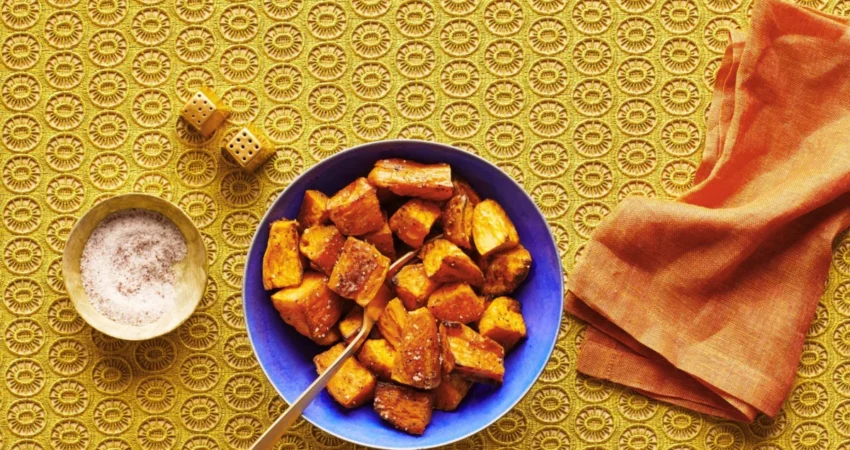
Achieving the ideal roasted sweet potato – a delightful paradox of deeply browned, slightly caramelized edges yielding to a tender, creamy interior – is a culinary goal that often sparks debate among home cooks. Contrary to conventional wisdom that often emphasizes ample space for even cooking, this particular preparation embraces a subtle form of overcrowding on the baking sheet. This intentional proximity, far from being an oversight, is a strategic maneuver designed to cultivate a specific texture and flavor profile that has become a staple in kitchens worldwide. The technique, while seemingly simple, unlocks a spectrum of culinary possibilities, transforming the humble sweet potato into a versatile ingredient capable of elevating side dishes, enriching grain bowls, and starring in a variety of global cuisines.
The foundation of this method lies in the initial preparation: 1½-inch chunks of sweet potato are arranged closely together on a baking sheet. This initial coziness is key. As the sweet potatoes begin to cook, the trapped steam generated from their moisture content softens their interiors. This internal softening is a crucial precursor to the browning process. As the potatoes cook and their moisture is released as steam, they will naturally shrink slightly, creating just enough space for direct contact with the hot baking sheet to facilitate the Maillard reaction – the complex chemical process responsible for the rich, savory, and slightly sweet browning that defines perfectly roasted vegetables.
The oven temperature is another critical variable, set at a robust 450°F (232°C). This high heat is instrumental in achieving rapid browning without overcooking the interiors. Occasional tossing of the potato chunks throughout the roasting period is essential to ensure that multiple sides are exposed to the intense heat of the baking sheet and the oven’s circulating air. This consistent exposure promotes even caramelization and prevents any single side from becoming overly dark or burnt. A significant departure from some baking practices, this recipe actively advises against the use of parchment paper. Direct contact between the sweet potatoes and the hot metal of the baking sheet is paramount for encouraging superior browning and achieving that coveted crispy-edged texture. The decision to peel or leave the skins on is a matter of personal preference and desired outcome. Leaving the skins on introduces an element of textural contrast, as they can become delightfully crisp. Conversely, peeling the sweet potatoes before roasting will result in a more uniformly creamy texture throughout each piece.
While salt and pepper serve as the foundational seasoning, this roasted sweet potato recipe is presented as a culinary canvas, inviting a myriad of flavor explorations. The article highlights several popular variations, including a spiced version, a sweet cinnamon-sugar coating, an herby Parmesan infusion, and a delectable glazed preparation. This adaptability underscores the recipe’s broad appeal and its capacity to integrate seamlessly into diverse culinary traditions. Beyond its role as a standalone side dish, these roasted sweet potatoes are recommended for inclusion in vibrant grain bowls, refreshing salads, and as a flavorful component in tacos, particularly when paired with complementary ingredients such as refried black beans.
The Science Behind the Sweetness: Moisture, Heat, and Browning
The effectiveness of this roasting technique is rooted in fundamental principles of food science. Sweet potatoes, like many root vegetables, possess a high moisture content. When subjected to high heat in a confined space, this moisture is released as steam. The initial crowding traps this steam, effectively steaming the sweet potatoes from the inside out. This internal softening is crucial because it breaks down the cell walls and starches, making the interior tender and creamy. As the cooking progresses and the potatoes begin to dehydrate slightly, they shrink, creating the necessary surface area for direct contact with the hot baking sheet.
The Maillard reaction, a non-enzymatic browning process, is responsible for the characteristic flavor and aroma of roasted foods. It occurs when amino acids and reducing sugars react under heat. The high temperature of 450°F accelerates this reaction significantly, leading to the formation of hundreds of different flavor compounds. The sugars naturally present in sweet potatoes, particularly fructose and glucose, readily participate in this reaction, contributing to the sweet, nutty, and slightly savory notes that emerge during roasting. The caramelization of these sugars further intensifies the sweetness and contributes to the visually appealing brown and black spots on the edges.
A Culinary Timeline: From Ancient Roots to Modern Kitchens
Sweet potatoes (Ipomoea batatas) boast a rich history, with their origins tracing back to Central America, where they were cultivated by indigenous populations for thousands of years. Archaeological evidence suggests their cultivation in Peru as far back as 8,000 BCE. They were then spread across the Americas through trade and migration. European explorers encountered sweet potatoes in the Caribbean and South America in the late 15th and early 16th centuries and introduced them to Europe. From Europe, they were further disseminated to Asia and Africa, where they became a staple crop in many regions.
The modern popularity of roasted sweet potatoes as a common side dish and versatile ingredient can be traced to the latter half of the 20th century. As culinary trends shifted towards healthier eating and a greater appreciation for diverse vegetables, sweet potatoes gained prominence. Their natural sweetness, vibrant color, and nutritional benefits made them an attractive option for home cooks and chefs alike. The development of accessible roasting techniques, popularized through cookbooks and online culinary resources, further cemented their status. The specific method of controlled crowding, as detailed in this article, likely evolved through experimentation by home cooks seeking to optimize texture and flavor, becoming a widely adopted best practice for achieving superior results.
Nutritional Insights and Broader Health Implications
Sweet potatoes are nutritional powerhouses, renowned for their abundant vitamin and mineral content. They are an exceptional source of beta-carotene, a precursor to Vitamin A, which is crucial for vision, immune function, and skin health. A single medium-sized sweet potato can provide well over the daily recommended intake of Vitamin A. They are also a good source of Vitamin C, manganese, and potassium. Furthermore, sweet potatoes contain dietary fiber, which aids in digestion, promotes satiety, and can contribute to better blood sugar management.
The fiber content, particularly the soluble fiber, combined with their relatively low glycemic index compared to some other starches, makes them a favorable choice for individuals managing their blood sugar levels. The antioxidants present in sweet potatoes, including anthocyanins (especially in purple varieties) and beta-carotene, play a role in combating oxidative stress in the body, potentially reducing the risk of chronic diseases. The widespread adoption of recipes like the one described contributes to increased consumption of nutrient-dense foods, aligning with public health recommendations for incorporating more fruits and vegetables into daily diets.
Expert Perspectives and Culinary Adaptations
Culinary experts frequently emphasize the importance of high heat and direct contact with the baking surface for achieving optimal roasting results with root vegetables. Chef Anya Sharma, a renowned authority on vegetable cookery, states, "The key to unlocking the full potential of a sweet potato lies in embracing the caramelization process. High heat is non-negotiable. Allowing the vegetable to have direct contact with a hot pan is what transforms it from simply cooked to deeply flavorful and texturally complex. While overcrowding might seem counterintuitive, in this specific instance, it serves a purpose by initially creating steam for tenderness before allowing the edges to crisp up beautifully."
The versatility of this roasted sweet potato preparation is a recurring theme in discussions among food bloggers and recipe developers. Sarah Jenkins, a popular food blogger, notes, "I’ve experimented with this method extensively, and the controlled crowding is a game-changer. It consistently delivers that perfect balance of tender interior and slightly charred edges. What I love most is how adaptable it is. I often toss mine with smoked paprika and a pinch of cumin for a Southwestern flair, or with a drizzle of maple syrup and a sprinkle of chili flakes for a sweet and spicy kick. They are truly a foundation for so many delicious meals."
Addressing Common Roasting Challenges: A FAQ Deep Dive
Do you need to peel sweet potatoes before roasting?
No, it is not a mandatory step. The skins of sweet potatoes are entirely edible and, when roasted at high temperatures, can become wonderfully crisp, adding a desirable textural contrast to the soft interior. However, the recipe’s direction to peel them is for those who prefer a uniformly creamy texture throughout each piece. For recipes where the skin’s crispness is a highlight, leaving it on is an excellent choice.
How do you know when roasted sweet potatoes are done?
The indicators of doneness are primarily visual and tactile. Look for pieces that exhibit deeply browned, almost caramelized edges. The interiors should be tender and creamy. A reliable test is to pierce the thickest part of a sweet potato chunk with a fork or a sharp knife; it should slide in with minimal resistance. If the potatoes are tender but still appear pale, they require additional roasting time to develop the desired browning.
Why aren’t my roasted sweet potatoes crispy?
Achieving uniform crispness across the entire surface of roasted sweet potatoes, similar to that of fried potatoes, is not the primary objective of this particular method. The goal is a balance: browned edges and a creamy center. To enhance crisping of the edges, ensure direct contact with the hot baking sheet. Occasionally tossing the pieces allows different sides to come into contact with the hot surface, promoting browning on multiple surfaces. Overcrowding beyond the intended level can indeed lead to excessive steaming and hinder crisping.
Broader Impact and Future Culinary Applications
The widespread accessibility and success of this roasted sweet potato technique have significant implications for home cooking and the culinary landscape. By demystifying a seemingly complex texture goal, it empowers individuals to confidently prepare a healthy and delicious component for a multitude of meals. This, in turn, can contribute to increased vegetable consumption and a greater appreciation for the versatility of root vegetables.
Looking ahead, the adaptability of this method suggests continued innovation in its application. We can anticipate further exploration of international flavor profiles, such as incorporating spices like za’atar for a Middle Eastern twist, or employing glazes with ingredients like gochujang for a Korean-inspired sweetness and heat. The technique also lends itself to being a key element in more complex dishes, such as layered gratins or as a filling for savory pastries. As culinary education continues to emphasize techniques that yield maximum flavor and texture, the art of the perfectly roasted sweet potato, achieved through this deliberate approach, is poised to remain a cornerstone of modern home cooking for years to come. The humble sweet potato, elevated through understanding and technique, continues to prove its enduring appeal and culinary significance.

0 Comments