
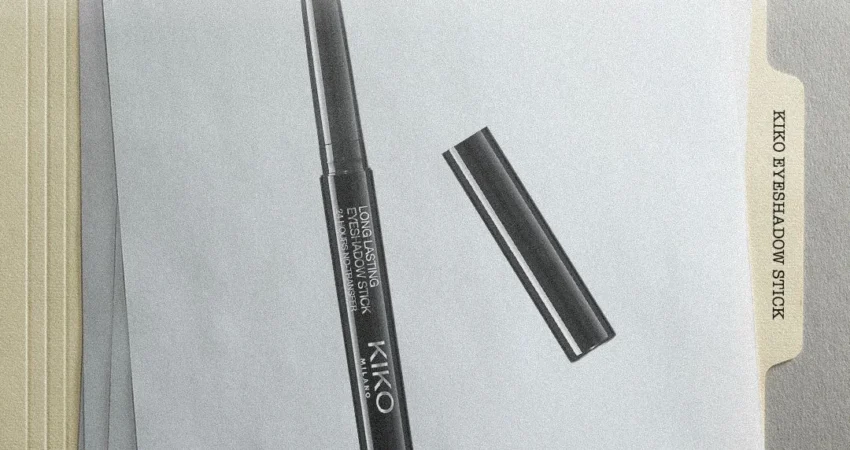
The intersection of high-performance cosmetic technology and accessible pricing has become the new frontier for the global beauty industry, with the Kiko Milano Long-Lasting Eyeshadow Stick emerging as a primary case study in this market shift. For years, consumers were forced to choose between the prestige of luxury brands and the often inconsistent quality of drugstore alternatives. However, as the "masstige" movement—a blend of mass-market availability and prestige quality—continues to dominate retail trends, products like this $13 eyeshadow stick are redefining consumer expectations. Designed to withstand the rigors of high humidity, aquatic activities, and extended wear, the product represents a significant advancement in film-forming cosmetic chemistry, offering a solution to the perennial problem of smudged and creased eye makeup.
The Technical Foundations of Long-Wear Eye Cosmetics
The primary challenge in formulating eye makeup lies in the unique anatomy of the eyelid. The skin in this area is among the thinnest on the human body and is subject to constant movement through blinking and facial expressions. Furthermore, the natural oils produced by the skin, combined with external factors such as ambient heat and perspiration, act as solvents that break down traditional powder pigments.
Kiko Milano’s approach to this problem involves a cream-to-set formula that utilizes specific film-forming agents. These agents create a flexible, microscopic barrier over the pigment once applied, effectively locking the color in place and preventing it from migrating into the folds of the lid. Unlike traditional powder shadows, which rely on mechanical adhesion to the skin or a separate primer, the eyeshadow stick is engineered to adhere autonomously. The inclusion of specialized pigments ensures that the "payoff"—the amount of color deposited in a single swipe—is high, reducing the need for multiple layers that can lead to heavy, "cakey" textures.
A Strategic Shift in Ingredient Philosophy: The Argan Oil Factor
Modern consumers are increasingly demanding "hybrid" products that combine aesthetic results with dermatological benefits. In response to this trend, Kiko Milano has enriched its long-lasting formula with argan oil. Extracted from the kernels of the argan tree (Argania spinosa), which is native to Morocco, this oil is a powerhouse of fatty acids and antioxidants.
From a journalistic and scientific perspective, the inclusion of argan oil serves two purposes. First, it provides the "slip" necessary for the product’s creamy texture. This allows the stick to glide across the delicate eye area without tugging, a common complaint with lower-quality pencil products. Second, argan oil is rich in Vitamin E (tocopherol), which provides antioxidant protection and supports the skin’s lipid barrier. By incorporating these skincare elements, the product addresses the potential drying effects often associated with waterproof, long-wear formulas, ensuring the lids remain hydrated and smooth throughout the day.
Market Context and the Competitive Landscape
The success of the Kiko Milano Eyeshadow Stick cannot be viewed in isolation; it is part of a broader trend where Italian cosmetic manufacturing has set a global standard. Kiko Milano, founded in 1997 by Percassi, has leveraged Italy’s reputation for high-quality chemical engineering in the beauty sector to produce items that rival brands charging three to four times the price.
Data from market research firms indicates that the "eye makeup" segment is one of the fastest-growing areas in the beauty industry, with a projected compound annual growth rate (CAGR) of over 4% through 2030. Within this segment, "stick" or "crayon" formats are gaining traction due to the rise of "on-the-go" lifestyles. Consumers are moving away from complex 12-shade palettes that require multiple brushes and professional-level blending skills toward "one-and-done" products that can be applied in seconds. At $13, Kiko Milano positions itself strategically against luxury competitors like Bobbi Brown and Laura Mercier, whose similar eyeshadow sticks retail for approximately $32 to $35.
Versatility in Application: From Line to Lid
The utility of the eyeshadow stick is rooted in its dual-purpose design. Professional makeup artists, including notable figures such as Colby Smith, have frequently advocated for the use of eyeshadow sticks as "jumbo eyeliners." This perspective highlights the product’s versatility.
The application process follows a specific timeline dictated by the formula’s "playtime." Upon application, the user has a window of approximately 30 to 60 seconds to manipulate the pigment. During this phase, the color can be diffused with a fingertip or a synthetic brush to create a soft, smoky effect. Alternatively, if left untouched, the formula sets into a saturated, opaque finish. This versatility allows for a range of looks, from a subtle "nude" shimmer for daytime professional settings to a deep, matte "orbital bone" definition for evening wear.
The product is currently available in 27 shades, covering a spectrum that includes:
- Matte finishes: Ideal for contouring the eye and providing a base.
- Satin finishes: Offering a soft glow suitable for mature skin.
- Pearlescent and Shimmer finishes: Designed for high-impact light reflection.
Environmental Resilience: Testing Under Extreme Conditions
One of the most significant claims made by the brand is the product’s resistance to water and heat. In a journalistic evaluation of these claims, one must consider the "impromptu-dive" scenario mentioned by many users. Waterproofing in cosmetics is achieved through the use of hydrophobic (water-repelling) ingredients. When a user enters a pool or the ocean, these ingredients prevent the water from penetrating the pigment layer.
Similarly, heat resistance is a matter of the formula’s melting point. Lower-quality cream shadows often "melt" when exposed to body heat or high ambient temperatures, leading to the dreaded "creasing" effect where the product gathers in the lid’s folds. The Kiko Milano formula is engineered to remain stable at temperatures that would typically compromise standard makeup, making it a staple for summer travel and outdoor events.
The Science of Removal: Protecting the Ocular Area
While long-wear properties are a benefit during the day, they present a challenge at night. Because the formula is designed to resist water and sweat, standard soap and water are often insufficient for removal. This has led to an increased consumer interest in specialized cleansers.
The recommendation for removing high-adhesion products involves the principle of "like dissolves like." Cleansing balms (oil-based) or micellar waters (containing surfactants) are essential. These products work by breaking down the film-forming agents and oils in the eyeshadow stick, allowing the pigment to be wiped away without excessive friction. This is a critical step in maintaining eye health, as aggressive rubbing can lead to premature aging of the eyelid skin and irritation of the ocular surface.
Industry Implications and Consumer Sentiment
The reception of the Kiko Milano Eyeshadow Stick among beauty enthusiasts and industry professionals suggests a shift in brand loyalty. We are seeing a "de-stigmatization" of budget-friendly brands. In previous decades, a "Vogue-approved" makeup kit was almost exclusively comprised of luxury labels. Today, the efficacy of the formula is the primary metric of success.
Statements from retail analysts suggest that the "stick" format’s success is also tied to the decline of the "Instagram Face"—a heavy, multi-layered makeup style—in favor of the "Clean Girl" or "Minimalist" aesthetic. This trend prioritizes skin-like textures and fast application, both of which are strengths of the Kiko Milano offering.
Conclusion: The Future of the Masstige Category
As we look toward the future of the cosmetics industry, the Kiko Milano Long-Lasting Eyeshadow Stick serves as a blueprint for success in a competitive market. By combining "Made in Italy" manufacturing prestige with a $13 price point, the brand has successfully captured a demographic that values both fiscal responsibility and high-performance results.
The broader implications are clear: luxury brands can no longer rely solely on heritage or packaging to justify high price points when affordable alternatives offer comparable, if not superior, chemical resilience. For the consumer, this evolution means that the "unavoidable" ruin of a makeup look due to heat or water is no longer a reality, but a choice. As Kiko Milano continues to expand its shade range and refine its antioxidant-enriched formulas, the gap between the vanity table and the professional makeup artist’s kit continues to close, democratizing beauty one swipe at a time.

0 Comments