
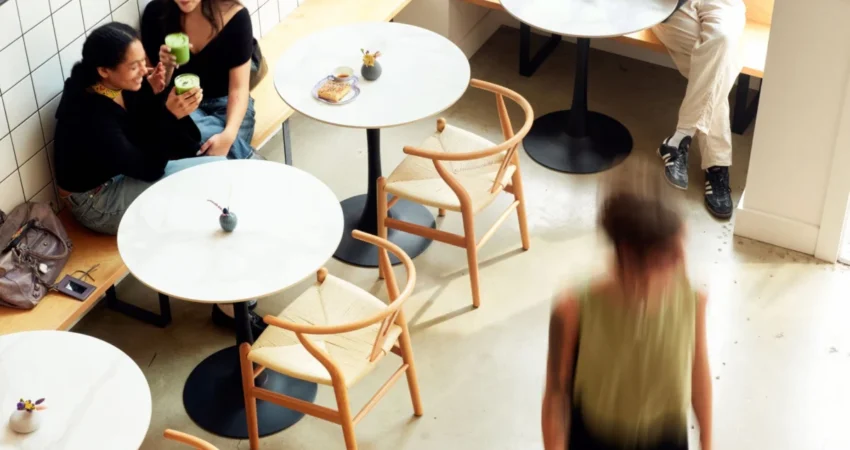
Seattle, Washington, has long maintained its status as the epicenter of American coffee culture, a reputation built over five decades of innovation, commerce, and craft. While the city is globally recognized as the birthplace of the worlds largest coffee chains, a deeper examination of the local industry reveals a sophisticated ecosystem of independent roasters and specialty cafes that define the modern metropolitan experience. This secondary market, often referred to as the "Third Wave" of coffee, emphasizes high-quality beans, direct-trade relationships, and artisanal brewing methods. In the contemporary Pacific Northwest, these establishments serve not only as purveyors of caffeine but as vital community hubs and economic drivers that sustain the city through varying seasonal and economic climates.
Historical Context and the Three Waves of Seattle Coffee
The trajectory of Seattles coffee dominance began in earnest in 1971 with the opening of the first Starbucks in Pike Place Market. However, the city’s relationship with the bean predates this event, rooted in its maritime history and the necessity of warm beverages in a temperate rainforest climate. The "First Wave" of coffee was characterized by the mass-market commoditization of vacuum-sealed tins, but Seattle’s true influence began with the "Second Wave" in the 1980s.
During this period, figures like David Schomer of Espresso Vivace, founded in 1988, revolutionized the industry by focusing on the technical precision of espresso extraction and the aesthetics of micro-foam. Schomer is widely credited with bringing Italian-style espresso standards to the United States and popularizing latte art, a practice that transformed a simple beverage into a visual craft. This era shifted the focus from caffeine delivery to the sensory experience of the cafe.
The "Third Wave," which emerged in the early 2000s, moved further toward transparency and culinary excellence. This movement treats coffee as an artisanal foodstuff, similar to wine or craft beer, with an emphasis on the specific origin of the beans, the roasting profile, and the chemistry of the pour. Today, Seattle is entering what some analysts call the "Fourth Wave," characterized by hyper-local sourcing, advanced brewing technology, and a focus on social and environmental sustainability.
Economic Impact and Market Data
The coffee industry is a cornerstone of the Washington State economy. According to data from the National Coffee Association (NCA) and the Specialty Coffee Association (SCA), the coffee industry contributes more than $15 billion annually to the state’s economy. Seattle consistently ranks as the city with the highest number of coffee shops per capita in the United States, with an average of over 35 shops per 100,000 residents.
Market research indicates that while large chains hold significant market share, independent coffee shops in Seattle have seen a 12% growth in revenue over the last five years, excluding the temporary downturn during the 2020 pandemic. This growth is attributed to a consumer shift toward "experience-based" retail. Residents and tourists alike are increasingly willing to pay a premium for specialty brews, with the average price of a high-end pour-over in Seattle now ranging between $5.00 and $8.50.
Furthermore, the industry supports a diverse labor market. Beyond baristas and roasters, the coffee ecosystem includes green bean importers, specialized equipment manufacturers, and logistics firms. The Port of Seattle remains a primary entry point for unroasted "green" coffee from the "Coffee Belt"—regions in Africa, South America, and Southeast Asia—making the city a critical node in the global supply chain.
Case Studies in Innovation: From Espresso Vivace to Slow Day
The diversity of Seattles coffee scene is best illustrated through its varying business models. Espresso Vivace remains a landmark for those seeking historical consistency and technical mastery. By maintaining a focus on the "Northern Italian" roasting style, Vivace has preserved a specific niche that appeals to traditionalists and culinary historians.
In contrast, newer establishments like Slow Day Coffee represent the cutting edge of the industry. These shops often operate on a "multi-roaster" model, featuring beans from various international roasters rather than roasting their own. This approach allows consumers to sample a global variety of flavor profiles in a single location. These shops often employ precision tools such as the refractometer to measure total dissolved solids (TDS), ensuring that every cup meets a scientific standard of extraction.
The integration of coffee into other service sectors is another growing trend, exemplified by the Peloton Bicycle Shop & Cafe. This hybrid model combines a full-service bicycle repair shop with a professional-grade cafe. Such businesses capitalize on the "Third Place" concept—a social environment separate from the two usual social environments of home ("first place") and the office ("second place"). By merging two distinct hobbies—cycling and coffee—Peloton creates a resilient business model that fosters a specific subcultural community.
Sustainability and Ethical Sourcing
As the industry evolves, the focus on sustainability has moved from a marketing buzzword to a fundamental operational requirement. Seattle-based roasters are increasingly bypassing traditional commodity markets to engage in "Direct Trade." This involves roasters traveling to origins to negotiate prices directly with farmers, often paying 50% to 100% above Fair Trade minimums to ensure quality and ethical labor practices.
Environmental sustainability is also a primary concern. The Pacific Northwest’s commitment to "green" living is reflected in the coffee industry’s adoption of compostable packaging, energy-efficient roasting machines (such as Loring roasters which reduce CO2 emissions), and programs to repurpose coffee grounds for local agriculture. Industry leaders suggest that as climate change threatens traditional coffee-growing regions, Seattle’s roasters must lead the way in supporting resilient agricultural practices and diversifying the types of beans used, including the exploration of Coffea stenophylla and other climate-resistant species.
Industry Perspectives and Official Responses
Industry experts suggest that the resilience of Seattle’s coffee shops lies in their ability to adapt to changing consumer behaviors. In a statement regarding the evolution of urban cafes, a representative from the Specialty Coffee Association noted, "Seattle remains a global laboratory for coffee. What happens in a small shop in Capitol Hill or Ballard today often becomes a national trend three years later. The city’s consumers are highly educated about coffee, which forces business owners to constantly innovate."
Local business advocates also emphasize the role of coffee shops in urban revitalization. The Seattle Office of Economic Development has highlighted that independent cafes are often the "anchor tenants" of developing neighborhoods, providing foot traffic that benefits surrounding retail and service businesses. However, these advocates also point to challenges, such as rising commercial rents and labor costs, which pressure small business owners to maintain high margins.
Broader Implications and Future Outlook
The continued success of Seattle’s independent coffee sector has broader implications for urban planning and the global beverage industry. The "Seattle Model" of coffee consumption emphasizes quality over quantity and community over convenience. As remote work becomes more prevalent, the role of the neighborhood coffee shop as an auxiliary workspace has solidified, leading to changes in cafe design, including more power outlets, high-speed internet, and ergonomic seating.
Looking forward, the industry faces significant headwinds. Supply chain disruptions and the escalating effects of climate change on the "Bean Belt" pose risks to the availability of high-quality Arabica beans. Analysts predict that the next decade will see a greater integration of technology in the cafe experience, from AI-driven inventory management to automated precision brewing, all while maintaining the human element that defines the "Third Wave."
In conclusion, Seattle’s identity as a coffee capital is not merely a relic of its 20th-century history but a living, evolving reality. Through a combination of historical reverence, economic significance, and a relentless pursuit of quality, the city’s independent shops and roasters continue to set the standard for the global industry. Whether through the technical artistry of a veteran establishment like Espresso Vivace or the community-centric hybrid model of a shop like Peloton, Seattle remains the definitive destination for those seeking the pinnacle of coffee culture. The city’s ability to remain "perky through the dark, damp winters" is a testament to the enduring power of a well-crafted cup of coffee and the robust industry that provides it.

0 Comments