
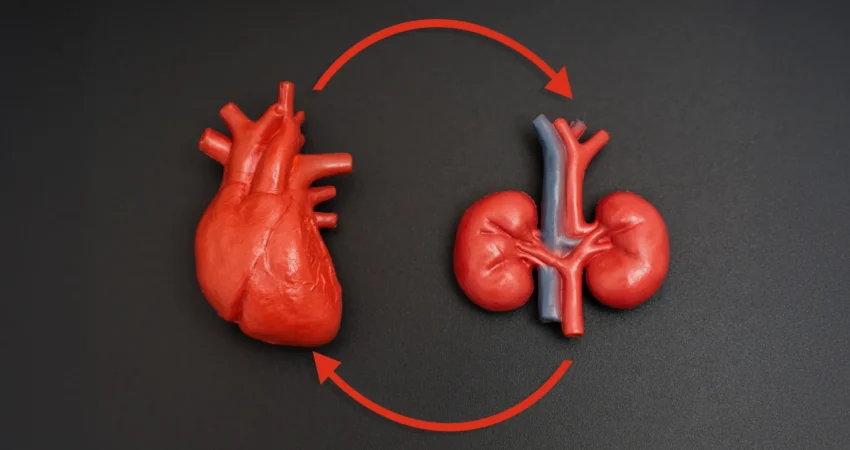
The European Society of Cardiology (ESC), in a landmark collaboration with the European Renal Association (ERA), has unveiled its inaugural comprehensive guidelines dedicated to the intricate management of cardiovascular disease (CVD) in the presence of chronic kidney disease (CKD). These pivotal recommendations, published in the esteemed European Heart Journal and formally presented at the prestigious ESC Congress 2026, signal a critical shift towards a more integrated and proactive approach to two of the most pervasive and debilitating health challenges facing European populations.
The development of these guidelines stems from the stark reality that CKD, defined by persistent abnormalities in kidney structure or function for at least three months that negatively impact health, affects an estimated 100 million individuals across Europe. This widespread condition is not merely an isolated ailment; it acts as a potent accelerant for a broad spectrum of cardiovascular complications, creating a dangerous synergy that significantly elevates morbidity and mortality.
The Symbiotic Threat: Unraveling the Heart-Kidney Connection
The insidious link between compromised kidney function and cardiovascular health has long been recognized by medical professionals. However, the magnitude of this interconnectedness, and the profound impact it has on patient outcomes, underscores the urgency behind these new ESC and ERA recommendations.
"The disability and lifetime lost to each disease are profound, but CKD can accelerate CVD and vice versa, resulting in cardiovascular events and the need for dialysis much earlier in life," stated Associate Professor Kevin Damman from the University Medical Centre Groningen, Netherlands, who served as a Task Force Chair. This dual burden means that patients are often grappling with the debilitating effects of both conditions simultaneously, leading to a significantly reduced quality of life and an increased demand on healthcare resources.
The good news, as highlighted by Professor Damman, is the rapid pace of medical advancement. "There have been major advances over the last few years, which mean there are now several simple treatments that can substantially lower the risk of both cardiovascular and kidney complications." These breakthroughs form the bedrock of the new guidelines, offering tangible strategies for intervention and prevention.
A Paradigm Shift: Early Detection as the Cornerstone of Management
A central tenet of the new guidelines is the imperative to identify kidney issues earlier in individuals already under the care of cardiologists. This proactive stance is crucial because, as Professor William Herrington of the University of Oxford, UK, another Task Force Chair, explained, "Many patients with CKD are treated by the cardiology community." By equipping cardiologists with the knowledge and tools to assess renal health, a larger pool of at-risk patients can be identified and managed more effectively.
Professor Herrington elaborated on this critical point: "The new ESC Guidelines aim to increase the use of kidney function and urine albumin testing in patients with CVD. With improved screening, more at-risk patients can be identified, and the most appropriate treatments for both CKD and CVD can be prescribed." This integrated screening approach promises to bridge the gap between cardiovascular and renal care, preventing the silent progression of kidney disease that often exacerbates cardiac conditions.
The STAMP on CKD Strategy: A Framework for Action
To provide a clear and actionable framework for implementing these crucial recommendations, the Task Force developed the ‘STAMP on CKD’ acronym. This mnemonic encapsulates the five key pillars of the new strategy: Screen, Triage, Address CKD Risk, Modify CVD management, and Plan health services.
S: Screen for Kidney Disease in Cardiovascular Patients
The initial step emphasizes universal screening. The guidelines strongly recommend that every patient diagnosed with cardiovascular disease should undergo testing for CKD at the time of their cardiovascular diagnosis. This comprehensive screening protocol involves straightforward blood and urine tests. Specifically, it includes assessing the estimated glomerular filtration rate (eGFR) from blood creatinine levels and measuring the urine albumin-to-creatinine ratio (UACR). These tests are readily available, cost-effective, and provide vital insights into both kidney function and potential damage.
The prevalence of undiagnosed CKD is a significant concern. Studies have indicated that a substantial percentage of individuals with hypertension or diabetes, common precursors to CVD, also have underlying kidney disease. For instance, in some European countries, the prevalence of CKD can range from 10-20% in the general population, but it rises dramatically to over 40% in those with diabetes and hypertension. This underscores the critical need for routine screening within cardiovascular patient cohorts.
T: Triage Patients Based on Risk Stratification
Following screening, the ‘Triage’ phase focuses on stratifying patients based on their likelihood of progressing to kidney failure and their overall cardiovascular risk. The guidelines advocate for the use of validated risk scoring tools that explicitly incorporate measures of kidney function. This allows clinicians to prioritize interventions for those most vulnerable.
The advent of sophisticated risk prediction models, which integrate parameters like eGFR, UACR, age, sex, and other traditional cardiovascular risk factors, offers a more nuanced understanding of individual patient trajectories. These tools enable a more personalized approach to management, ensuring that limited healthcare resources are directed where they can have the greatest impact.
A: Address CKD Risk with Early, Proven Therapies
The ‘Address CKD Risk’ component highlights the critical importance of initiating evidence-based therapies early to slow the progression of CKD and mitigate the risk of cardiovascular events. This is where recent therapeutic advancements play a pivotal role.
"Early use of drugs called RAS inhibitors and SGLT2 inhibitors alongside statin-based therapy are particularly important and effective," explained Associate Professor Damman.
- RAS Inhibitors (Renin-Angiotensin System Inhibitors): Medications such as ACE inhibitors and ARBs have long been a cornerstone in managing hypertension and protecting kidney function, particularly in patients with diabetes and proteinuria. They work by dilating blood vessels and reducing pressure within the kidneys.
- SGLT2 Inhibitors (Sodium-Glucose Cotransporter-2 Inhibitors): Originally developed for type 2 diabetes, SGLT2 inhibitors have demonstrated remarkable benefits in preserving kidney function and reducing cardiovascular events, even in individuals without diabetes. They work by increasing glucose excretion in the urine, which also has a protective effect on the kidneys and heart.
- Statin-Based Therapy: Statins remain essential for managing dyslipidemia and reducing cardiovascular risk across a broad spectrum of patients. Their continued use in conjunction with kidney-protective agents is vital.
The guidelines also provide specific recommendations for adjusting cardiovascular treatments in patients with CKD. Impaired kidney function can alter the body’s ability to metabolize and excrete certain medications, necessitating careful dose adjustments or the selection of alternative therapies to avoid adverse effects and ensure optimal efficacy. This requires a deep understanding of pharmacokinetics and pharmacodynamics in the context of reduced renal clearance.
M: Modify CVD Management for CKD Patients
The ‘Modify CVD Management’ element addresses the unique considerations for managing cardiovascular disease in the presence of CKD. This includes not only adapting drug regimens but also considering the specific cardiovascular manifestations that are more prevalent in CKD patients, such as calcific uremic arteriolopathy, left ventricular hypertrophy, and mineral and bone disorders.
The guidelines offer practical advice on how to safely and effectively manage conditions like hypertension, heart failure, and arrhythmias in patients with compromised kidney function. This might involve different target blood pressure ranges, specific anti-arrhythmic agents, or tailored approaches to fluid management.
P: Plan Health Services for Integrated Care
The final pillar, ‘Plan health services,’ emphasizes the organizational and systemic changes required to facilitate seamless care coordination. This involves establishing clear pathways for referral, improving interdisciplinary communication, and ensuring that patients at high risk receive timely and appropriate interventions from both cardiologists and nephrologists.
"Active and efficient communication between specialties is often necessary due to the complexities associated with CKD," noted Professor Herrington. The guidelines advocate for multidisciplinary clinics, shared electronic health records, and regular case conferences to foster collaboration.
Furthermore, the importance of patient and caregiver engagement is underscored. "Engagement of patients and family/caregivers in the multidisciplinary care process also helps to ensure patients’ priorities are met, improve their experience and promote patient-centered care," Professor Herrington added. This patient-centric approach ensures that treatment plans align with individual goals and values, improving adherence and overall outcomes.
Broader Implications and Future Directions
The publication of these guidelines represents a significant milestone in the fight against the dual epidemics of CVD and CKD. The implications are far-reaching:
- Reduced Morbidity and Mortality: By promoting early detection and integrated management, the guidelines have the potential to significantly reduce cardiovascular events, slow the progression of kidney disease, and delay or prevent the need for renal replacement therapy.
- Improved Quality of Life: Patients who receive comprehensive and coordinated care are likely to experience a better quality of life, with fewer complications and a greater ability to participate in daily activities.
- Economic Benefits: The proactive approach advocated by the guidelines could lead to substantial cost savings for healthcare systems by reducing hospitalizations, emergency room visits, and the long-term expenses associated with advanced CKD and cardiovascular disease.
- Enhanced Medical Education: The guidelines will serve as a crucial educational resource for healthcare professionals, equipping them with the latest evidence and best practices for managing patients with co-existing CVD and CKD.
A patient-friendly version of the guidelines has also been developed to empower individuals with a better understanding of their conditions and to facilitate their active participation in shared decision-making with their healthcare providers. This is a crucial step in promoting health literacy and fostering collaborative care.
The Task Force Chairs concluded with a powerful call to action: "CVD and CKD are major burdens on patients, healthcare systems and society. The key messages in these guidelines should be noted by all relevant healthcare stakeholders and policymakers, and research planned to fill several gaps in the evidence. Raising awareness will help realize the hope that the guidelines will lead to important individual and societal improvement for those with, or at risk of, CVD and CKD."
The ESC and ERA have committed to ongoing research and guideline updates to address evolving evidence and emerging therapeutic options. This proactive and collaborative approach signals a new era in cardiovascular and renal care, offering tangible hope for millions affected by these intertwined diseases. The implementation of the STAMP on CKD strategy is not just a clinical recommendation; it is a societal imperative to improve the health and well-being of European citizens.

0 Comments