
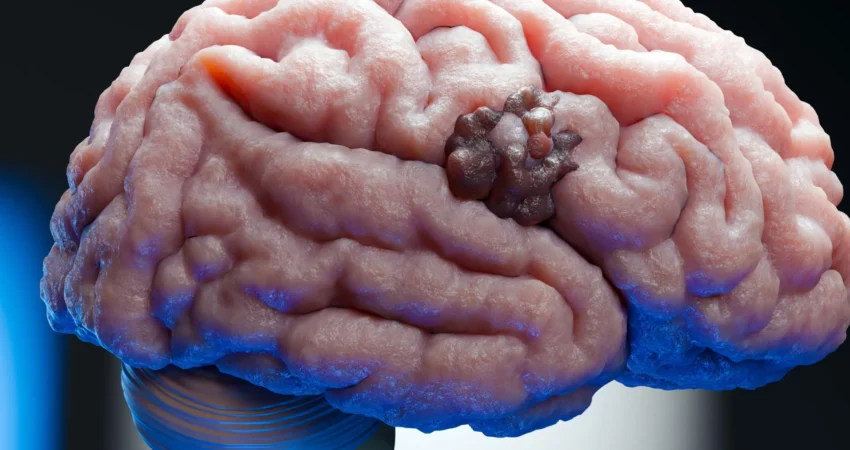
Glioblastoma, a notoriously aggressive and often fatal brain tumor, presents a formidable challenge in oncology. Despite decades of research and advancements in cancer therapeutics, treatment options for glioblastoma have seen limited progress, primarily due to the tumor’s inherent resistance to established modalities like radiation and chemotherapy. However, a recent breakthrough from researchers at The Ohio State University Comprehensive Cancer Center – Arthur G. James Cancer Hospital and Richard J. Solove Research Institute (OSUCCC – James) offers a beacon of hope. They have identified a critical protein, designated as SET, that could potentially render glioblastoma cells more susceptible to existing treatments, rather than replacing them. This discovery, detailed in the May 2026 issue of Cancer Letters, marks a significant step forward in understanding and potentially overcoming the resilience of this devastating disease.
The core of this research lies in a novel strategy: to bolster the effectiveness of current glioblastoma therapies. Instead of developing entirely new agents, the OSUCCC – James team has focused on uncovering vulnerabilities within the tumor’s defense mechanisms. In preclinical experiments, the suppression of the SET protein demonstrated a remarkable ability to inhibit tumor formation, suggesting its pivotal role in glioblastoma’s survival and proliferation. This finding is particularly encouraging given the historical difficulty in developing new drugs that directly target glioblastoma cells without causing significant collateral damage to healthy brain tissue.
Unveiling a Critical Weakness in Glioblastoma’s Defenses
The research team embarked on a comprehensive examination of various proteins involved in glioblastoma cell survival. Among those studied, the SET protein emerged as a particularly compelling target due to the pronounced impact of its blockade on tumor development. Further investigations revealed that interfering with SET, along with other related proteins, significantly enhanced the sensitivity of glioblastoma cells to radiation therapy. This synergistic effect points towards a specific biological pathway that, if targeted effectively with future drug development, could substantially weaken the cancer’s ability to withstand treatment.
The focus of the OSUCCC – James team’s investigation centered on PP2A, a crucial enzyme that plays a vital role in regulating intracellular signaling pathways. These signals are essential for cancer cells to grow, survive, and crucially, to repair damage incurred during treatment. Glioblastoma cells, known for their adaptive nature, appear to circumvent the protective functions of PP2A by employing three key proteins: ANP32A, CIP2A, and notably, SET. When the researchers experimentally inhibited these proteins in laboratory settings and in animal models, they observed a marked decrease in glioblastoma cell survival. The remaining cancer cells, critically, became far more vulnerable to the damaging effects of radiation.
Dr. Arnab Chakravarti, MD, Chair of Radiation Oncology at the OSUCCC – James, underscored the significance of these findings. "Glioblastoma is hard to treat because it can adapt and survive," Dr. Chakravarti stated. "Our findings suggest that restoring PP2A activity may make glioblastoma cells less able to survive treatment. That gives us a clear path to test whether this approach can make radiation and chemotherapy more effective for patients with GBM." This statement highlights the potential for a paradigm shift in how glioblastoma is approached, moving towards an "adjuvant" strategy that amplifies the power of existing tools.
Exploring Avenues to Restore PP2A Activity
While the preclinical results are highly promising, it is crucial to emphasize that these findings are preliminary and have not yet been evaluated in human patients. The research is currently in its early stages, with scientists actively investigating the feasibility and safety of targeting SET or other PP2A-suppressing proteins. The ultimate goal is to determine if such interventions can indeed improve the effectiveness of standard glioblastoma therapies.
In a related avenue of exploration, the research team also examined an existing medication, an FDA-approved antipsychotic drug, which has demonstrated the capability to increase PP2A activity. The observed effects provide an additional rationale for investigating medications that can influence this critical pathway. However, the researchers strongly caution that this drug is not yet suitable for glioblastoma treatment and should not be administered for this purpose outside of a controlled clinical trial. This measure is essential to ensure patient safety and to gather robust data on efficacy and potential side effects.
"This is an important first step," Dr. Chakravarti reiterated. "By understanding how SET and related PP2A blockers help GBM survive treatment, we can test ways to block that protection and make current therapies more effective." This sentiment encapsulates the cautious optimism surrounding the research, emphasizing the methodical approach being taken to translate laboratory discoveries into clinical benefits.
A Foundation for Future Treatment Strategies
The publication of these findings in Cancer Letters in May 2026 signifies a milestone in glioblastoma research. The study was made possible through the generous support of grants from the National Institutes of Health (NIH), the National Cancer Institute (NCI), and The Ohio State University Comprehensive Cancer Center. This multi-faceted support underscores the recognized importance and potential impact of this line of inquiry within the broader scientific community.
The identification of the SET protein and its role in protecting glioblastoma cells from treatment offers a tangible target for therapeutic intervention. The research team’s methodical approach, beginning with fundamental biological understanding and progressing to the investigation of existing drugs, exemplifies a prudent and efficient pathway for drug development. The potential to enhance the efficacy of radiation and chemotherapy, already standard-of-care for glioblastoma, could translate into improved outcomes for patients without the need for entirely novel and potentially toxic drug regimens.
The broader implications of this research extend beyond glioblastoma. The mechanisms by which cancer cells evade treatment are often shared across different tumor types. Therefore, understanding how glioblastoma cells manipulate pathways like PP2A could shed light on resistance mechanisms in other cancers, potentially paving the way for similar therapeutic strategies in a wider range of malignancies.
Background and Context of Glioblastoma Treatment Challenges
Glioblastoma, also known as glioblastoma multiforme (GBM), is the most common and aggressive primary malignant brain tumor in adults. Diagnosed annually in approximately 12,000 individuals in the United States, it carries a grim prognosis. The median survival time for patients diagnosed with glioblastoma is typically around 15 months, with only a small percentage living beyond five years. This low survival rate is a direct consequence of the tumor’s aggressive infiltration into surrounding brain tissue, making complete surgical resection virtually impossible.
The current standard of care for newly diagnosed glioblastoma involves a multi-modal approach. This typically includes surgical resection to remove as much of the tumor as safely possible, followed by radiation therapy and concurrent chemotherapy with temozolomide, an alkylating agent. While this regimen has shown some benefit in extending survival compared to historical treatments, it is often met with significant challenges. Glioblastoma cells exhibit remarkable genetic heterogeneity and plasticity, allowing them to develop resistance to both radiation and chemotherapy over time. This resistance is often mediated by complex cellular signaling pathways that promote DNA repair, inhibit apoptosis (programmed cell death), and facilitate tumor cell proliferation.
The development of resistance to temozolomide, for instance, is frequently associated with the presence of a specific gene mutation called MGMT (O6-methylguanine-DNA methyltransferase). MGMT repairs the DNA damage caused by temozolomide, thereby rendering the chemotherapy ineffective. Radiation resistance in glioblastoma is also multifactorial, involving mechanisms such as enhanced DNA repair, activation of survival pathways, and the presence of a subpopulation of glioblastoma stem cells that are inherently more resistant to ionizing radiation.
The limitations of current treatments have spurred intensive research into novel therapeutic strategies. These include immunotherapy, targeted therapies that inhibit specific oncogenic pathways, and innovative drug delivery systems. However, many of these approaches have faced significant hurdles in clinical trials, often due to poor drug penetration across the blood-brain barrier, lack of tumor specificity, or the development of acquired resistance.
The Role of Protein Phosphatase 2A (PP2A)
At the heart of the OSUCCC – James research is the enzyme Protein Phosphatase 2A (PP2A). PP2A is a serine/threonine phosphatase, meaning it removes phosphate groups from proteins, thereby regulating their activity. It is a highly conserved and abundant enzyme found in virtually all eukaryotic cells, and it plays a critical role in a vast array of cellular processes, including cell cycle progression, signal transduction, cell survival, and apoptosis. Given its central role in cellular regulation, PP2A is considered a tumor suppressor in many contexts.
In cancer, the activity of PP2A can be dysregulated in various ways. Often, cancer cells exploit mechanisms to inhibit PP2A’s function, thereby promoting their own uncontrolled growth and survival. This is precisely what the OSUCCC – James researchers have observed in glioblastoma. The study identifies three proteins – ANP32A, CIP2A, and SET – that appear to contribute to the inhibition of PP2A in glioblastoma cells. By understanding how these proteins interact with and suppress PP2A, the researchers have identified a potential Achilles’ heel for glioblastoma.
The SET protein, in particular, is a key player in this inhibitory complex. SET, also known as I2PP2A (inhibitor 2 of PP2A), directly binds to PP2A and inhibits its enzymatic activity. This inhibition can lead to the aberrant activation of signaling pathways that promote cell proliferation and survival, contributing to the aggressive nature of glioblastoma. By targeting SET, the researchers aim to disrupt this inhibitory complex, thereby restoring the tumor-suppressive activity of PP2A.
Preclinical Findings and Future Directions
The preclinical experiments described in the study provided compelling evidence for the therapeutic potential of targeting SET and related proteins. In laboratory cultures and in animal models bearing human glioblastoma xenografts, the suppression of SET led to a significant reduction in tumor burden and improved survival rates. Crucially, the combination of SET suppression with radiation therapy resulted in a synergistic effect, meaning the combined treatment was more effective than either treatment alone. This observation strongly supports the hypothesis that making glioblastoma cells more sensitive to radiation by targeting SET is a viable therapeutic strategy.
The investigation into the FDA-approved antipsychotic drug that can enhance PP2A activity adds another layer of intrigue to the research. While the drug is not currently indicated for cancer treatment, its ability to modulate PP2A function suggests that existing medications might be repurposed for glioblastoma therapy. This "drug repurposing" approach can significantly accelerate the drug development process, as these medications have already undergone extensive safety and pharmacokinetic testing. However, as previously stated, rigorous clinical trials are necessary to determine their efficacy and safety in the context of glioblastoma treatment.
The OSUCCC – James team’s commitment to a structured and evidence-based approach is evident in their future plans. The next critical steps involve conducting further preclinical studies to optimize dosing, administration routes, and combination strategies. Simultaneously, they will be working towards designing and initiating clinical trials to evaluate the safety and efficacy of targeting PP2A in human patients. This rigorous process, while time-consuming, is essential to ensure that any new treatment is both safe and effective for individuals battling this devastating disease.
Broader Implications and Potential Impact
The implications of this research are far-reaching. If successful, the ability to enhance the efficacy of existing glioblastoma therapies could significantly improve the quality of life and survival rates for patients. It offers the potential for a less toxic and more manageable treatment regimen, reducing the burden of disease and its impact on patients and their families.
Furthermore, the identification of the SET protein and its role in PP2A inhibition opens new avenues for understanding the complex biology of glioblastoma. This knowledge could lead to the development of novel biomarkers for predicting treatment response or identifying patients who are most likely to benefit from PP2A-targeting therapies.
The research also underscores the importance of continued investment in fundamental cancer research. Breakthroughs like this often emerge from a deep understanding of cellular mechanisms and pathways, which may not have immediate therapeutic applications but lay the groundwork for future innovations. The collaborative efforts of researchers, clinicians, and funding agencies, as exemplified by the support from NIH, NCI, and OSUCCC, are critical to advancing cancer care.
In conclusion, the identification of the SET protein as a potential therapeutic target represents a significant stride in the ongoing battle against glioblastoma. By aiming to re-sensitize these notoriously resistant tumors to established treatments, the OSUCCC – James researchers are charting a promising course towards more effective therapeutic strategies. While the journey from laboratory discovery to clinical application is long and arduous, this breakthrough offers renewed hope for patients and a compelling direction for future research in the fight against one of the most challenging forms of cancer.

0 Comments