
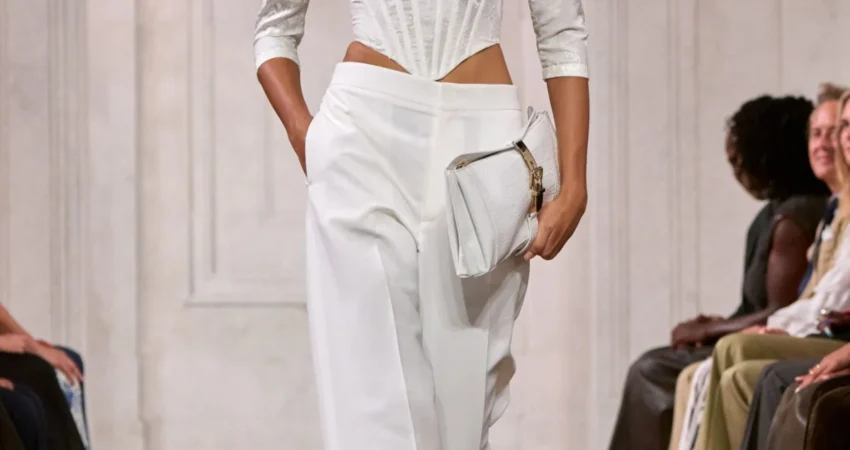
The intersection of status and self-expression has long been the domain of Ralph Lauren, a designer whose career has been defined by the creation of a singular, recognizable American aesthetic. In his latest spring showcase, Lauren pivoted away from the rigid dictates of modern fashion trends, instead delivering a collection that emphasized the primacy of personal style over the homogenized influence of digital algorithms. This philosophical stance—celebrating the "stylish contradiction"—served as the foundation for a presentation that blended rugged utilitarianism with high-octane refinement, reinforcing the designer’s nearly sixty-year legacy as a titan of the global luxury market.
The Philosophy of Contradiction: Rugged Meets Refined
At the heart of the spring collection was a deliberate play on opposites, a hallmark of Lauren’s own sartorial habits. The designer, who is frequently seen pairing formal tuxedo jackets with weathered denim, translated this personal ethos into a series of looks that challenged traditional styling boundaries. The runway featured a colorful brocade jacket styled with white cargo pants, and a shrunken, feather-bedecked velvet jacket paired with dark-rinse boyfriend jeans.
These pairings represent more than just a stylistic choice; they reflect a broader movement within the luxury sector toward "high-low" dressing, where the value of an outfit is derived from the wearer’s ability to curate disparate elements rather than adhering to a pre-packaged look. By mixing the ornate with the everyday, Lauren effectively deconstructed the notion of formalwear, suggesting that luxury is most potent when it is integrated into the lived experience of the individual.
Historical Intertextuality: From the Gilded Age to 1967
The collection served as a retrospective of sorts, drawing on various eras of fashion history to create what the show notes described as "fashionable anachronisms." The opening look—a V-point corset worn with simple chinos—evoked a sense of historical drama while remaining grounded in modern practicality. This was followed shortly by a pinstripe waistcoat featuring dramatic tails that extended to the floor, a piece that appeared to draw direct inspiration from the sartorial excesses of the late 19th century, often referred to as the Gilded Age.
Perhaps the most significant historical reference was the inclusion of the super-wide tie, worn with a matching blue shirt and faded denim. This specific accessory served as a callback to Lauren’s professional origins. In 1967, Lauren launched his career with a line of four-inch wide ties under the "Polo" label, a bold departure from the narrow "Mad Men" style ties that dominated the era. By reintroducing this silhouette, Lauren signaled a return to the roots of his brand, reminding the industry of his role as a disruptor of traditional menswear norms.
The Technical Evolution: Tailoring and the "Made in Italy" Standard
While the more exuberant pieces captured the audience’s attention, a significant portion of the collection was dedicated to the understated precision of high-end tailoring. Lauren presented a series of monochromatic looks in shades of white, camel, and navy, predominantly crafted from crisp cottons and lightweight wools. These pieces provided a stabilizing counterpoint to the collection’s more decorative elements.
A standout segment of the show featured "Made in Italy" pantsuits, which showcased a discerning eye for structure and cut. Italy remains the global benchmark for luxury garment construction, and Lauren’s continued reliance on Italian ateliers underscores his commitment to quality in an era of fast-fashion proliferation. The tailoring focused on clean lines and a relaxed yet authoritative silhouette, catering to a demographic that values longevity and craftsmanship over seasonal disposability. According to industry data, the demand for "quiet luxury"—high-quality, unbranded apparel—has grown by approximately 15% in the premium segment over the last two fiscal years, a trend that Lauren’s minimalist tailoring aligns with perfectly.
The Human Element: Artisanal Craft in the Age of Artificial Intelligence
As the fashion industry increasingly grapples with the integration of Artificial Intelligence in design and manufacturing, Lauren’s spring collection leaned heavily into the "touched by the hand" quality of artisanal work. This was most evident in the use of silks and lamés that were hand-painted or subjected to "burn-out" techniques to achieve an aged patina.
The collection featured a burnished gold bead dress with an intricate ombré effect and "tech organzas" that appeared sun-bleached or tie-dyed. These techniques are difficult to replicate through automated processes, as they rely on the intentional imperfections and unique variations of human touch. This focus on craftsmanship serves as a strategic differentiator for the Ralph Lauren brand. By emphasizing the "rare and precious" nature of hand-worked fabrics, the brand positions itself as a bastion of authentic luxury in a digital age.
Market Positioning and the Global Luxury Landscape
The strategic direction of this collection arrives at a pivotal moment for Ralph Lauren Corporation (NYSE: RL). As the brand approaches its 60th anniversary, it has undergone a significant "elevation" strategy intended to move the brand further upmarket. In recent quarterly earnings reports, the company has noted a steady increase in Average Unit Retail (AUR), driven by a shift toward more expensive, high-margin products like those seen on the spring runway.
The brand’s ability to maintain its status as a symbol of American aspiration while expanding its reach into the ultra-luxury tier is a testament to its diversified portfolio. While the "Polo pony" remains a mass-market icon, the high-end collections (such as the Purple Label and the Collection line showcased here) serve as the "halo" that maintains the brand’s prestige. Financial analysts have noted that Lauren’s focus on timelessness rather than fleeting trends has helped the company weather economic volatility better than some of its more trend-dependent competitors.
Chronology of the Ralph Lauren Brand Evolution
To understand the weight of this spring collection, one must view it through the lens of the brand’s historical timeline:
- 1967: Ralph Lauren launches his necktie business, challenging the status quo with wider, more colorful designs.
- 1972: The introduction of the signature mesh polo shirt in 24 colors, solidifying the brand’s place in the American sportswear canon.
- 1986: The opening of the flagship store in the Rhinelander Mansion on Madison Avenue, a move that redefined luxury retail as an immersive lifestyle experience.
- 2010s: A period of digital transformation and global expansion, particularly in the Asian markets, where the brand saw double-digit growth.
- 2020-Present: The implementation of the "Next Great Chapter" plan, focusing on brand elevation, digital leadership, and sustainable growth.
The current collection represents the culmination of these eras, blending the rebellious spirit of the 1960s ties with the refined luxury of the modern Madison Avenue era.
Broader Impact and Implications for American Fashion
Ralph Lauren’s insistence on personal style over algorithmic influence carries significant weight in the current fashion climate. As data-driven design becomes more prevalent, there is a risk of stylistic stagnation, where brands produce only what is predicted to sell based on previous metrics. Lauren’s collection argues for the necessity of the "creative outlier"—the designer who trusts intuition and historical reverence over data points.
Industry reactions to the show have been largely positive, with critics noting that Lauren’s ability to remain relevant across six decades is due to his consistency. He does not reinvent his aesthetic to suit the times; rather, he expands the narrative of his existing world. The "rugged and refined" theme is a continuation of the "American Dream" story he has been telling since the beginning, updated with the technical sophistication required by today’s global elite.
Furthermore, the emphasis on "Made in Italy" and hand-crafted textiles highlights a growing tension in the industry between mass production and artisanal preservation. By championing the latter, Lauren is setting a standard for other American heritage brands, suggesting that the path to future relevance lies in a deeper commitment to the physical artistry of garment making.
Conclusion: The Endurance of the Lauren Legacy
As Ralph Lauren approaches his milestone 60th anniversary, his work remains a benchmark for American fashion. The spring collection was not merely a display of new garments, but a manifesto on the importance of individuality in an increasingly standardized world. By embracing contradictions—the old and the new, the rugged and the refined, the status symbol and the personal statement—Lauren continues to define what it means to be a "classic" in the modern age. The collection proves that while the algorithm may dictate what is popular, it is the human hand and the personal vision that dictate what is timeless.

0 Comments