
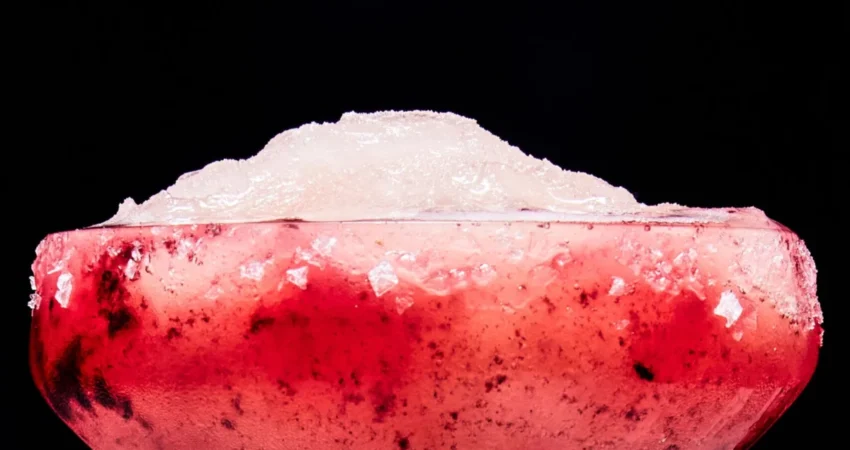
The humble margarita, a cocktail celebrated for its harmonious blend of tequila, fresh lime juice, orange liqueur, and salt, stands as a testament to the power of simple, yet perfect, culinary alchemy. Beyond its iconic sweet-tart profile, the classic margarita recipe serves as a remarkably adaptable canvas, inviting a universe of creative interpretations. This inherent flexibility has cemented its status not just as a popular beverage, but as a dynamic culinary concept capable of evolving with seasons, ingredients, and individual preferences. Recent analyses of cocktail trends indicate a sustained interest in classic cocktails with a modern twist, with the margarita consistently ranking among the top five most ordered cocktails in bars across North America and Europe. Data from industry publication Beverage Industry Magazine for the past three years has shown a steady 8% year-over-year increase in margarita sales, with variations accounting for a significant portion of this growth.
The core components of a traditional margarita—typically a 2:1:1 ratio of tequila, lime juice, and orange liqueur—provide a foundational structure that can be subtly or dramatically altered. Swapping traditional triple sec for agave syrup, for instance, introduces a deeper, more natural sweetness, while substituting tequila with its smoky cousin, mezcal, imparts a complex, earthy character that appeals to a growing segment of discerning drinkers. This capacity for innovation extends further, allowing for the infusion of spirits with ingredients like chiles for a spicy kick, or the incorporation of fresh fruits and herbs through muddling or blending. The margarita’s journey from a simple tequila sour to a sophisticated, multi-layered concoction reflects broader shifts in consumer demand for personalized and artisanal beverage experiences.
A Spectrum of Flavor: Beyond the Classic
The exploration of the margarita’s potential extends into the realm of maximalism, where creativity knows few bounds. This approach embraces the integration of a wider array of ingredients and techniques, transforming the familiar into the extraordinary. For instance, blending the cocktail with frozen fruits like mango creates a lusciously smooth, tropical rendition, while the addition of muddled fresh blackberries introduces a burst of vibrant color and tartness. These innovations are not merely aesthetic; they fundamentally alter the texture, aroma, and taste profile of the drink, offering distinct sensory experiences.
This article delves into 19 distinct margarita recipes, showcasing the breadth of this beloved cocktail’s adaptability. The curated selection includes:
- Frozen Margaritas: Perfect for warmer climates or when a chilled, slushy consistency is desired. These often incorporate pureed fruits and can be adjusted for sweetness and alcohol content.
- Spicy Margaritas: Catering to those who appreciate a fiery kick, these variations often feature muddled jalapeños, habaneros, or infused tequilas.
- Fruit-Forward Riffs: Utilizing a wide spectrum of fruits, from familiar citrus to exotic berries and tropical delights, these recipes highlight the natural sweetness and acidity of various produce.
- Less Traditional Variations: These recipes push the boundaries, incorporating unexpected ingredients and flavor pairings that challenge the conventional definition of a margarita.
Seasonal Sensibilities and Ingredient Innovation
The margarita’s ability to adapt to seasonal produce makes it a year-round favorite. A Salted Watermelon Margarita, for example, embodies the refreshing spirit of summer with its hydrating watermelon base and cooling salt rim. This particular variation has seen a surge in popularity during summer months, with searches for "watermelon margarita recipe" increasing by an average of 15% on culinary websites between May and August. Conversely, a Blood Orange Margarita offers a sophisticated and vibrant option for winter, its deep crimson hue and slightly bitter-sweet flavor profile complementing the colder seasons. The use of blood oranges, which are typically in season from December to May, underscores the cocktail’s connection to agricultural cycles.

Perhaps one of the most intriguing and texturally distinct variations is the Avocado Margarita. This recipe leverages the creamy richness of avocado to create a surprisingly smooth and velvety mouthfeel, a departure from the typically bright and sharp textures associated with margaritas. This innovation speaks to a broader trend in mixology where unexpected ingredients are employed to enhance mouthfeel and introduce novel flavor dimensions. The avocado margarita, while less common, has garnered attention for its unique creaminess and has been featured in several high-profile cocktail guides, indicating a growing appreciation for its unconventional appeal.
A Timeline of Adaptation: From Classic to Contemporary
The margarita’s origin is widely attributed to the 1930s or 1940s in Mexico. While the exact inventor remains a subject of debate, with multiple establishments and individuals claiming its creation, its core recipe solidified over time. The early iterations were likely simpler, focusing on the essential trinity of tequila, lime, and a sweetener.
Mid-20th Century: The margarita gains traction in the United States, particularly in border towns and in popularizing Mexican cuisine. Its popularity begins to spread through word-of-mouth and early culinary publications.
Late 20th Century: The advent of frozen drink machines and a growing interest in tropical cocktails lead to the widespread popularity of the frozen margarita. This era saw an explosion of fruit-flavored variations, often utilizing pre-made mixes.
Early 21st Century: A renewed appreciation for craft cocktails and fresh ingredients sparks a "back to basics" movement. Bartenders and home enthusiasts begin to deconstruct and refine the classic margarita, emphasizing high-quality spirits, fresh citrus, and artisanal liqueurs. This period also sees the rise of experimental variations, incorporating diverse fruits, spices, and herbs.
Present Day: The margarita continues its evolutionary journey, embracing global influences, seasonal ingredients, and innovative techniques. The focus remains on balance and quality, with an ever-expanding repertoire of creative interpretations catering to a sophisticated and adventurous palate. Industry analysts project that the demand for artisanal and customized cocktails, including variations of the margarita, will continue to grow, driven by consumer desire for unique and memorable drinking experiences.

Supporting Data and Market Trends
The enduring appeal of the margarita is further evidenced by its consistent presence in global beverage market reports. A 2022 report by Technomic, a leading food industry consulting firm, highlighted tequila-based cocktails as a significant growth driver in the spirits sector, with the margarita at the forefront. The report noted that consumers are increasingly seeking out tequila cocktails with fresh ingredients and unique flavor profiles, a trend that directly benefits the margarita’s adaptable nature.
Furthermore, the rise of home bartending, amplified by social media platforms and accessible online tutorials, has democratized cocktail creation. Recipes for various margarita iterations are among the most searched and shared, indicating a widespread interest in replicating these drinks at home. This accessibility fosters experimentation and further solidifies the margarita’s position as a versatile and approachable cocktail for both novice and experienced mixologists. The increasing availability of premium tequilas and artisanal liqueurs in retail markets also supports this trend, allowing consumers to elevate their home-made margaritas.
Broader Impact and Implications
The margarita’s remarkable adaptability has significant implications for the beverage industry and culinary landscape.
- Innovation Hub: It serves as a prime example of how a classic cocktail can become a platform for continuous innovation. This encourages other beverage categories to explore similar avenues of reinvention.
- Economic Driver: The sustained demand for margaritas, and particularly its diverse variations, contributes significantly to the spirits market, driving sales of tequila, liqueurs, and fresh produce. The growth in artisanal variations also supports smaller producers of specialty ingredients.
- Cultural Exchange: As the margarita evolves with global ingredients and techniques, it acts as a conduit for cultural exchange, introducing diverse flavors and culinary traditions to a wider audience.
- Consumer Engagement: The interactive nature of creating and customizing margaritas fosters deeper consumer engagement with food and beverage culture, encouraging exploration and personal expression.
The ongoing evolution of the margarita, from its straightforward origins to its current status as a near-limitless canvas for creativity, is a compelling narrative within the world of mixology. It demonstrates that even the most beloved classics can be reimagined, offering endless opportunities for discovery and enjoyment. Whether one prefers the icy refreshment of a frozen mango blend, the zesty kick of a chile-infused concoction, or the subtle elegance of a seasonal fruit variation, the margarita remains an enduring testament to the art of the balanced, yet infinitely versatile, cocktail. Its ability to continuously reinvent itself while retaining its core identity ensures its place as a celebrated beverage for generations to come. The continued exploration and popularization of these diverse recipes will undoubtedly shape future cocktail trends and further cement the margarita’s legacy as a global icon.

0 Comments