
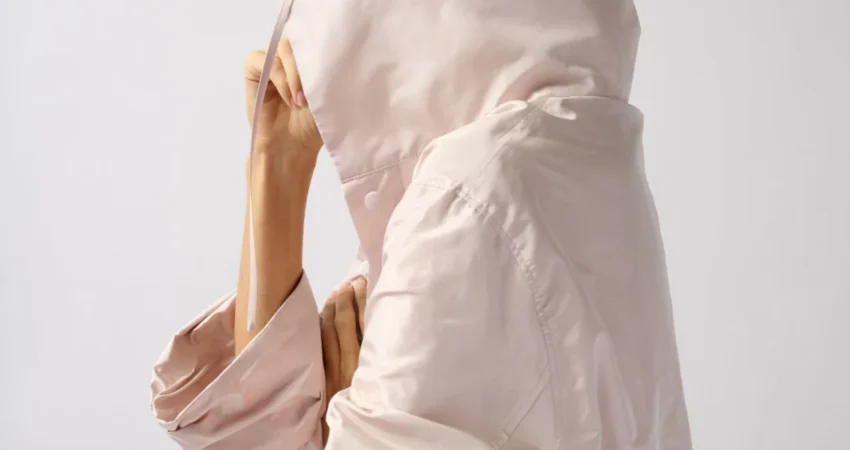
The traditional paradigm of eveningwear, often characterized by rigid structures and a transformative "Cinderella" narrative, is undergoing a significant shift as designers prioritize personal identity over costume-like formality. In her latest spring collection, London-based designer Sharon Wauchob has presented a vision of after-dark dressing that seeks to bridge the gap between daytime authenticity and nocturnal elegance. By focusing on the concept of "dusk"—a transitional period between day and night—Wauchob has introduced a series of garments that allow the wearer to maintain their core personality while engaging with high-luxury aesthetics. This collection signals a departure from the "total transformation" typically associated with formal events, instead offering a sophisticated extension of a woman’s existing wardrobe.
The Philosophy of Identity in Modern Eveningwear
At the heart of Wauchob’s spring collection is the rejection of the idea that dressing for the evening requires a departure from one’s true self. For many consumers, the transition from professional or casual daytime attire to eveningwear can feel like donning a persona that is disconnected from their daily reality. Wauchob addressed this disconnect directly, stating that the goal was to ensure that a person’s personality remains intact even when the setting becomes more formal. This philosophy resonates with a growing segment of the luxury market that values consistency and comfort alongside opulence.
The collection caters specifically to individuals who prefer the silhouettes of shirts and trousers over voluminous gowns. By translating casual staples like tanks and T-shirts into high-fashion pieces using the finest mesh and hand-rolled edges—techniques typically reserved for high-end silk foulards—Wauchob has validated the "casual-luxury" hybrid. This approach allows the "pants-and-shirts" person to navigate formal environments without feeling out of place or over-costumed. The inclusion of a sleeveless top made of sheer French résille (fishnet), embellished with hand-dyed beads, exemplifies this. Designed to be worn under a blazer or tuxedo, the piece functions as "almost jewelry," providing a decorative element that remains grounded in the wearer’s personal style.
The Concept of Dusk: A Thematic and Technical Operating Principle
Wauchob’s collection is conceptually anchored in the idea of "dusk," which she describes as an "in-between time." This theme manifests both in the color palette and the structural choices of the garments. Dusk represents a period of ambiguity, where the clarity of day fades into the mystery of night. To capture this, the collection utilizes a "reveal-and-conceal" strategy, acknowledging that her clientele feels confident in showcasing their bodies but prefers a sophisticated, layered approach to doing so.
Key pieces in this thematic exploration include a caviar black slip dress, which features scalloped lace edging and a high-slit design that reveals built-in tap pants. The use of lace throughout the collection—ranging from metallic variations to paneled skirts paired with crisp white shirts—serves to blur the lines between transparency and coverage. One standout item, a lace garment embellished with feathers, was described by observers as being "as weightless as a sigh," highlighting the designer’s ability to create visual impact without the physical burden of heavy fabrics.
Artisanal Craftsmanship and the "Almost Couture" Standard
A defining characteristic of Sharon Wauchob’s work is her commitment to the "almost couture" standard. Trained in Paris and now based in London, Wauchob maintains a hands-on approach to production that is increasingly rare in the era of mass-market luxury. Every piece in the spring collection is manufactured in London, allowing the designer to oversee the minute details of construction and collaborate closely with local artisans.
This dedication to process is best illustrated by Wauchob’s refusal to use pre-pleated fabrics. Instead, she opts to pleat finished garments or individual panels to ensure the folds fall precisely as intended. The designer recently spent two days working alongside a specialized artisan to achieve the specific texture required for her silk-satin crinkled pants. These pants, which feature hand-layered sequins hidden within the folds, represent a level of labor-intensive detail that elevates the garments beyond standard ready-to-wear. Wauchob contends that bypassing these artisanal processes changes the "energy" of the garment, stripping it of the surprise and depth that discerning customers expect.
Chronology of Production and the Evolution of the Wauchob Aesthetic
The development of the spring collection followed a rigorous timeline that emphasizes quality over speed. This chronological approach to design reflects a broader trend in the fashion industry toward "slow luxury," where the history and construction of a piece are as important as its final appearance.
- Conceptualization and Sourcing: The process began with the sourcing of specialized materials, including French résille and various types of metallic and scalloped lace.
- Artisanal Collaboration: Once the materials were secured, Wauchob engaged in extensive prototyping with London-based pleaters and beadwork specialists.
- Construction and Deconstruction: Wauchob’s method often involves taking garments apart and reassembling them to ensure the "irreverent" treatment of precious materials. This stage is critical for achieving the "scrunched" effects seen in the rococo pink parkas and the layered sequins in the silk trousers.
- Final Refinement: The final stage involved balancing the tailoring—such as the smart trousers with attached cummerbunds—against the more fluid, ethereal lace pieces to create a cohesive collection that covers the full spectrum of evening attire.
Market Context: The Rise of Independent Luxury Labels
Wauchob’s success with this collection comes at a time when the global luxury eveningwear market is projected to grow steadily. According to industry data, the luxury apparel market is expected to reach a valuation of over $100 billion by 2028, with a significant portion of that growth driven by niche, independent designers who offer a unique point of view. Consumers are increasingly moving away from "logo-heavy" luxury in favor of "quiet luxury" and artisanal craftsmanship, where the value lies in the technique and the exclusivity of the production.
By keeping her production in London, Wauchob taps into the "Made in Britain" appeal, which is associated with heritage tailoring and high ethical standards. This local production model also allows for greater agility in responding to the needs of a client base that values body positivity and self-expression. Market analysts suggest that designers who can successfully navigate the "identity-first" fashion landscape—where clothes are seen as tools for self-actualization rather than status symbols—are better positioned to retain customer loyalty in a competitive environment.
Industry Implications and the Future of Eveningwear
The implications of Wauchob’s "almost couture" approach extend beyond her own brand. It challenges the broader fashion industry to reconsider the pace of production and the value of hand-finished details. As the lines between high-fashion and daily wear continue to blur, the demand for versatile, high-quality garments that can transition from a professional setting to a gala is likely to increase.
Wauchob’s use of "irreverent" techniques—treating precious materials with a sense of casualness—reflects a modern sensibility that values ease and authenticity. This shift is likely to influence other designers to explore more relaxed silhouettes for formal occasions, such as the parka-as-eveningwear or the elevated T-shirt. The success of the spring collection demonstrates that there is a significant appetite for eveningwear that does not require the wearer to sacrifice their identity or comfort.
Conclusion: Maintaining the "Energy" of the Garment
Sharon Wauchob’s spring collection serves as a manifesto for a new era of eveningwear. By centering the collection on the themes of identity, dusk, and artisanal integrity, she has created a body of work that is both technically impressive and emotionally resonant. Her commitment to the "almost couture" process ensures that each piece carries a unique energy, derived from the hours of hand-pleating, dyeing, and assembly.
As the fashion world continues to evolve, the "almost" principle—almost jewelry, almost couture, almost dusk—provides a framework for a more nuanced and flexible approach to style. For Wauchob, the goal is not to transform the woman, but to provide her with the garments that allow her to shine in her own light, even as the sun goes down and the carriages turn back into pumpkins. The collection stands as a testament to the power of maintaining one’s personality through the art of dress, proving that the most precious thing a person can wear is their own identity.

0 Comments