
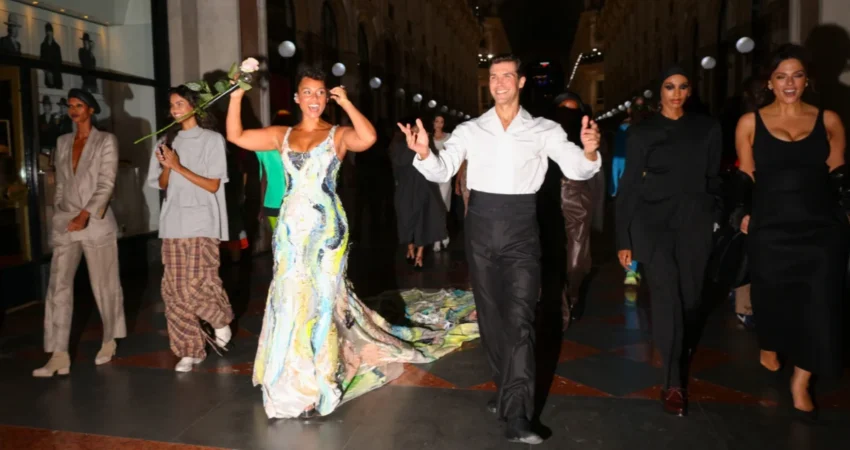
The international fashion community converged upon Milan in September 2026 for the latest iteration of Vogue World, a sprawling, multi-disciplinary showcase that transformed the historic heart of the city into a living monument to Italian design and culture. Following the success of previous installments in New York, London, and Paris, Vogue World: Milano sought to bridge the gap between the heritage of "Made in Italy" craftsmanship and the high-energy spectacle of modern entertainment. The event, held at the prestigious Galleria Vittorio Emanuele II, served as the centerpiece of Milan Fashion Week, following high-profile runway presentations from industry titans such as Prada and Diesel. As the dust settled on the evening’s festivities, key organizers including Vogue Italia’s Head of Editorial Content, Francesca Ragazzi, and global Vogue contributors Chloe Malle and Nicole Phelps, gathered to reflect on a production that balanced meticulous logistical planning with what they described as "curated chaos."
The Architectural Backdrop: Galleria Vittorio Emanuele II
The choice of the Galleria Vittorio Emanuele II as the venue for Vogue World 2026 was both a symbolic and a logistical masterstroke. Completed in 1877, the Galleria is often referred to as "il salotto di Milano" (Milan’s drawing room), representing the pinnacle of 19th-century iron and glass architecture. To host a private, large-scale fashion event within this public thoroughfare required years of diplomatic maneuvering. Francesca Ragazzi, who was jokingly referred to by colleagues as the "acting mayor of Milan" during the production phase, spent years engaging with a diverse array of stakeholders.
The logistics of the evening necessitated the temporary closure of the historic shopping complex, an undertaking that required the consensus of every restaurateur, boutique owner, and municipal authority connected to the site. This process involved not only legal and safety permits but also a deep dive into the oral histories and "mysterious secrets" of the Galleria’s long-standing tenants. The event organizers emphasized that the success of the night was predicated on these interpersonal relationships, ensuring that the local community felt like participants in the celebration rather than mere spectators of a closed-door event.
Chronology of the Event and Production Timeline
The road to Vogue World: Milano began long before the first model stepped onto the makeshift runway. The planning cycle for such an event typically spans 18 to 24 months, involving global coordination between Condé Nast’s international offices. However, the final execution remained fluid until the very last moment. While the core structure of the show—featuring historical Italian archival pieces alongside contemporary designs—was set months in advance, several elements of the performance were finalized just days before the premiere.
- The Opening of Milan Fashion Week: The week commenced with the Spring 2027 Ready-to-Wear collections. Notable shows from Prada, under the creative direction of Miuccia Prada and Raf Simons, and Diesel, led by Glenn Martens, set a high bar for innovation and technical skill.
- The Vogue World Shutdown: In the 48 hours leading up to the event, the Galleria underwent a massive transformation. Sound systems, lighting rigs, and seating for hundreds of VIP guests were installed under the 47-meter-high glass dome.
- Last-Minute Casting: In a departure from traditional high-fashion protocols, Ragazzi and her team engaged in "street-casting" for specific segments of the show. This decision was made to inject a sense of authentic Milanese energy into the performance, moving away from a purely stylized presentation to one that reflected the actual residents and "characters" of the city.
- The Performance: The evening featured a seamless blend of operatic tradition and contemporary pop culture. Highlights included a performance by the young choristers from Teatro alla Scala, a set by global superstar Alicia Keys, and a ballet sequence by Roberto Bolle, the renowned Italian danseur classique.
- The Post-Show Recap: Immediately following the conclusion of the event, the leadership team met at a nearby ristorante to analyze the production’s impact and the "harmony" of the diverse teams involved.
Supporting Data: The Economic and Cultural Weight of Italian Fashion
The scale of Vogue World: Milano reflects the broader economic importance of the fashion industry to the Italian economy. According to data from the Camera Nazionale della Moda Italiana (National Chamber of Italian Fashion), the textile, fashion, and accessories sector in Italy generates over €100 billion in annual revenue. Milan Fashion Week alone contributes significantly to the city’s hospitality and retail sectors, with estimates suggesting that a single season can generate upwards of €160 million in local economic activity.
Vogue World 2026 was designed to amplify this impact by focusing on the "intergenerational" nature of Italian design. The show featured a curated selection of looks that spanned decades, highlighting the enduring relevance of brands like Benetton, Versace, and Armani. By placing these archival pieces alongside the work of emerging designers, the event provided a data-backed argument for the longevity of Italian luxury goods as investment pieces rather than disposable trends.
The Front Row: A Symbolic "Mount Rushmore" of Design
One of the most discussed aspects of the evening was the composition of the front row, which Nicole Phelps described as a "Mount Rushmore" of Italian fashion. The presence of the designers themselves—watching their own creations from previous decades being reinterpreted on the runway—added a layer of meta-commentary to the event. This assembly included legendary figures who have defined the global aesthetic for over half a century.

Observers noted that seeing Miuccia Prada, Donatella Versace, and other titans of the industry sitting together served as a rare display of unity in a highly competitive market. This visual of the "old guard" supporting the "new spectacle" of Vogue World underscored the event’s theme of continuity. It also highlighted the shift in the fashion industry toward "experience-based" marketing, where the brand’s history is sold as a narrative to a global digital audience.
Behind the Scenes: Curated Chaos and Teamwork
Despite the polished final product, the organizers were candid about the "curated chaos" that defined the backstage environment. The integration of high-fashion models with street-cast talent and professional performers required a level of coordination rarely seen in traditional runway shows. Francesca Ragazzi noted that the "secrets and mysterious things" encountered during the planning phase—ranging from hidden tunnels beneath the Galleria to the specific demands of historic preservation—added a layer of complexity to the production.
The sentiment among the organizers was one of profound gratitude toward the technical and creative teams. Ragazzi emphasized that she had "never seen such harmony and teamwork," a necessary component when managing a cast that included everyone from world-class ballet dancers to local children’s choirs. This collaborative spirit was essential for managing the unpredictable variables of a live performance in a historic outdoor-indoor space.
Broader Impact and Industry Implications
The success of Vogue World: Milano 2026 suggests a permanent shift in how major fashion publications and brands engage with the public. No longer confined to the "ivory tower" of exclusive showrooms, fashion is increasingly being presented as a populist spectacle that merges with music, dance, and civic history.
1. The Globalization of Heritage
By taking the "Vogue World" franchise to Milan, Condé Nast has successfully demonstrated that local heritage can be packaged for a global digital audience without losing its regional soul. The event was live-streamed to millions, providing a platform for Italian craftsmanship that reached far beyond the traditional fashion elite.
2. The Rise of the "Fashion-Tainment" Model
The inclusion of Alicia Keys and Roberto Bolle points toward the "entertainment-ization" of fashion. Analysts suggest that the future of the industry lies in these high-concept, multi-sensory events that provide "viral moments" suitable for social media consumption while maintaining the prestige of high-art collaborations.
3. Urban Revitalization and Fashion
The temporary transformation of the Galleria Vittorio Emanuele II highlights the potential for fashion events to serve as tools for urban storytelling. By highlighting the history of the venue, Vogue World 2026 encouraged a renewed appreciation for Milanese architecture and the city’s role as a global cultural capital.
As the fashion world looks toward future seasons, the legacy of the Milano event will likely be measured by its ability to foster "harmony" between the commercial needs of the industry and the cultural preservation of its host cities. The "curated chaos" of 2026 has set a new benchmark for what a fashion celebration can achieve when it embraces the complexities of its environment and the depth of its history.

0 Comments