
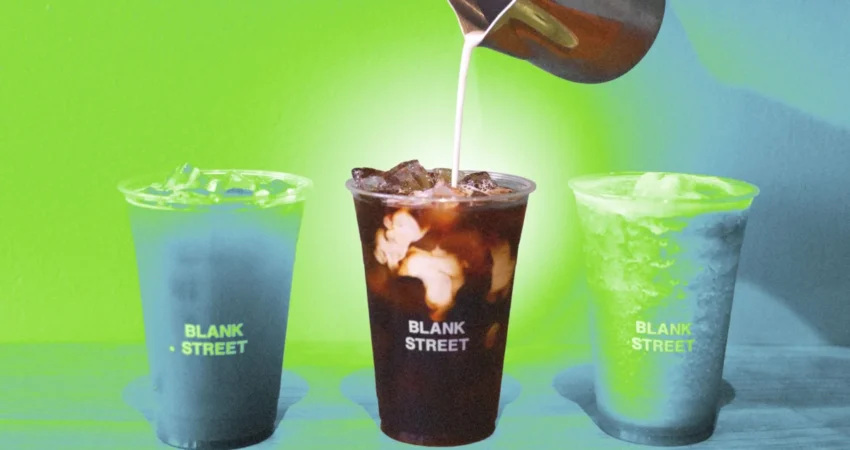
In an era where personal hydration companions are as ubiquitous as smartphones, seamlessly transitioning from the gym to the boardroom, the once-clear boundaries of social and professional etiquette have become increasingly fluid. From the discreet sip of almond milk at a favorite cafe to the more controversial question of beverage choices at solemn gatherings, the modern landscape presents a series of nuanced dilemmas. This week, a particular point of contention has ignited a fervent online discussion: the appropriateness of bringing an iced coffee to a job interview.
The Spark of Contention: A Recruiter’s Viral Post
The debate was effectively ignited by a TikTok video posted by Caitlin Wehniainen, a recruiter with 16 years of experience who primarily works with Fortune 500 companies and traditional corporate environments. Wehniainen, in her widely circulated post, articulated a perspective that resonated with many and irked others: she believes that Gen Z candidates arriving for job interviews with iced coffee in hand project an image of unprofessionalism.
"When you show up with an iced coffee or an iced latte," Wehniainen stated in her video, "it makes it look like this interview is just like a stop on your list of errands for the day." She elaborated that such a presentation can be perceived as too casual, potentially creating a negative first impression that could hinder a candidate’s chances.
The sentiment, shared widely across social media platforms, quickly garnered a torrent of reactions. Many commenters pushed back, arguing that for some, an interview is indeed just one appointment among many in a packed schedule. Others expressed frustration with what they viewed as outdated and inconsistently applied standards of professionalism, suggesting that such perceptions are subjective and potentially unfair.
The Broader Context: Generational Divides and Professional Perceptions
This particular disagreement touches upon a larger, ongoing discussion about generational differences in workplace expectations and the evolving definition of professionalism. The rise of flexible work arrangements, a greater emphasis on work-life balance, and the increasing integration of personal lives with professional pursuits have, for some, blurred the lines that were once more rigidly defined.
For younger generations entering the workforce, particularly Gen Z, who have grown up in a digitally saturated world where personal branding and authenticity are highly valued, the traditional markers of professionalism may seem less relevant. The accessibility and popularity of iced coffee as a daily beverage across all demographics further complicate the issue. Data from market research firms consistently show the growing demand for cold coffee beverages. According to a report by Statista, the global market for iced coffee was valued at approximately $20.7 billion in 2022 and is projected to grow significantly in the coming years, reflecting its widespread appeal.
Expert Opinions: Navigating the Nuances of Beverage Etiquette
The question of whether an iced coffee is a faux pas in a job interview setting is not a simple yes or no, according to career experts. Erin McGoff, a career coach who has also weighed in on the discussion, explained via email that while some recruiters might view an iced coffee as a "red flag," others may not give it a second thought. The interpretation, she suggests, often depends on the industry, the company culture, and the individual recruiter’s personal biases.
McGoff also addressed the notion of alternative beverages. While one might speculate about more "interview-appropriate" drinks, such as a refined shakerato or a sophisticated iced horchata latte, she emphasizes that there is no single beverage that is universally required or expected. "There’s not a drink in the world that you should need to bring into an interview," McGoff stated.
However, for candidates who feel a strong need to bring a beverage, McGoff offers practical advice on presentation. She recommends opting for a discreet and professional container, such as a sleek, black insulated thermos, over a more casual, single-use plastic cup. This subtle adjustment, she believes, can help mitigate any potential negative perceptions associated with the beverage itself.
The Underlying Dynamics: Image, Perception, and Unspoken Rules
Ultimately, career coaches and HR professionals often agree that the debate over iced coffee is not truly about the beverage itself, but rather about the broader image a candidate is projecting. "People aren’t debating coffee, they’re debating the unspoken dynamic we accept between candidates and employers," McGoff explained.
This dynamic involves an understanding of subtle social cues and the unwritten rules that govern professional interactions. McGoff candidly acknowledges the existence of these unspoken rules, noting that "If you don’t know them, do you get penalized? Also yes. Is that fair? Nope." This highlights a critical point: while awareness of these expectations can be advantageous, their fairness and universality are often questioned.
Implications and Broader Impact: Adapting to Evolving Professional Norms
The discourse surrounding iced coffee at interviews reflects a larger societal shift in how we perceive and practice professionalism. As workplaces become more diverse and inclusive, there is a growing tension between traditional, often rigid, professional standards and the desire for authenticity and personal expression.
For recruiters and hiring managers, this debate prompts introspection about their own biases and the criteria they use to evaluate candidates. Are they inadvertently excluding qualified individuals based on superficial factors like a beverage choice? The inclusion of an "ableist" argument, pointing to health conditions that might necessitate regular fluid intake, further underscores the need for a more nuanced and compassionate approach to assessing candidates.
For job seekers, particularly those from younger generations or diverse backgrounds, the situation presents a challenge. Navigating these perceived unwritten rules requires a degree of awareness and strategic adaptation. While authenticity is valued, understanding the context of a particular interview and tailoring one’s presentation accordingly can be crucial for making a positive impression. This might involve a conscious decision to forgo a personal beverage preference in favor of adhering to more conservative norms, or, conversely, presenting a beverage in a manner that minimizes perceived informality.
The enduring popularity of personal beverage containers, from reusable water bottles to travel mugs, signifies a fundamental integration of personal habits into public and professional life. The challenge for individuals and organizations alike lies in finding a balance that respects personal autonomy while upholding the principles of professional conduct, ensuring that the focus remains on a candidate’s skills, qualifications, and potential, rather than the vessel from which they choose to hydrate. The conversation, it seems, is far from over, as the definition of professionalism continues to be shaped by evolving societal norms and technological advancements.

0 Comments