
The pet food industry has undergone a radical transformation over the last decade, shifting from a market dominated by shelf-stable, highly processed kibble to one increasingly focused on fresh, human-grade alternatives. At the forefront of this movement is The Farmer’s Dog, a subscription-based service that delivers personalized, fresh-cooked meals directly to consumers’ doorsteps. This shift reflects a broader trend in "pet humanization," where owners prioritize the long-term health and longevity of their animals through high-quality nutrition. For owners of large-breed dogs, such as German Shepherds, the stakes are particularly high, as these breeds are prone to specific health issues and typically face shorter lifespans. The Farmer’s Dog aims to address these concerns by providing a service that balances nutritional science with the convenience of modern e-commerce.
The Origins and Evolution of The Farmer’s Dog
The Farmer’s Dog was founded in 2014 by Brett Podolsky and Jonathan Regev, following a personal health crisis involving Podolsky’s Rottweiler, Jada. After Jada suffered from chronic digestive issues that remained unresolved by conventional commercial pet foods, Podolsky discovered that cooking fresh meals from scratch led to a total cessation of symptoms. Recognizing a gap in the market for convenient, scientifically formulated fresh food, the founders collaborated with board-certified veterinary nutritionists to scale the concept.

Since its inception, the company has grown into a leader in the direct-to-consumer (DTC) pet food space. The brand’s trajectory reflects the wider growth of the fresh pet food category, which is projected to reach significant market share as consumers become more skeptical of "feed-grade" ingredients. Unlike traditional kibble, which often utilizes "4D" meats (from animals that are dead, dying, diseased, or disabled), The Farmer’s Dog utilizes human-grade ingredients processed in facilities that adhere to USDA safety standards for human consumption.
Nutritional Standards and Ingredient Integrity
The core value proposition of The Farmer’s Dog lies in its ingredient transparency and nutritional profile. The company offers several primary formulas, including beef, chicken, pork, and turkey. Each recipe is designed to be a complete and balanced meal, meeting the standards set by the Association of American Feed Control Officials (AAFCO).
A critical differentiator in the production process is the temperature at which the food is cooked. Traditional kibble is often subjected to high-heat extrusion, a process that can degrade essential nutrients and create harmful byproducts like acrylamides. The Farmer’s Dog employs a low-temperature cooking method that ensures bacterial safety while preserving the natural vitamins, minerals, and antioxidants found in the whole-food ingredients.

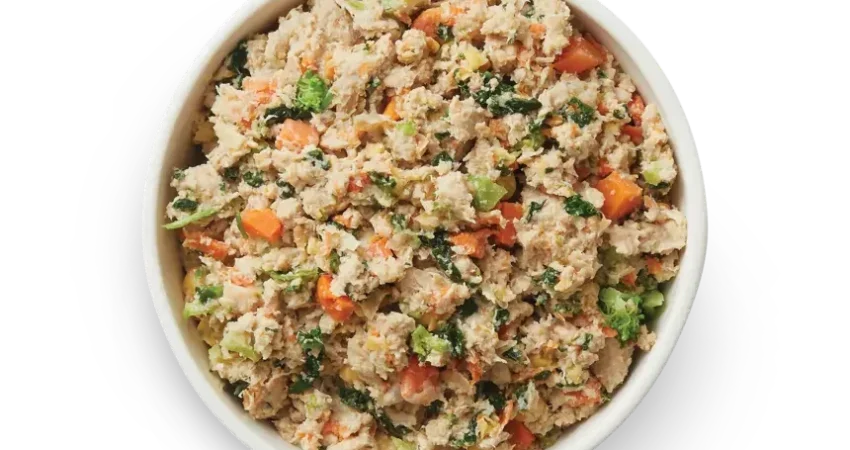
The formulas typically consist of 50% muscle and organ meats, supplemented by vegetables such as carrots, green beans, and spinach, and fiber sources like lentils or chickpeas. By avoiding fillers such as corn, wheat, and soy, the service caters to dogs with sensitivities and allergies, which are increasingly common in modern canine populations.
The Role of Personalization in Canine Health
One of the most significant innovations of the service is its proprietary algorithm, which determines a dog’s specific caloric and nutritional needs based on a detailed owner profile. Upon signing up, users complete a comprehensive quiz that factors in a dog’s age, breed, weight, activity level, and existing health conditions.
This level of personalization is vital for weight management, a primary concern for veterinarians. According to the Association for Pet Obesity Prevention, more than 50% of dogs in the United States are overweight or obese. Excess weight can lead to joint issues, diabetes, and a decreased lifespan. The Farmer’s Dog addresses this by pre-portioning meals into specific daily caloric counts, removing the guesswork often associated with measuring dry kibble. For large breeds like German Shepherds, who are susceptible to hip dysplasia and bloat, maintaining a lean weight and consuming highly digestible proteins can significantly improve quality of life.

Economic Analysis: Cost vs. Value
The primary barrier to entry for many pet owners is the cost of fresh food compared to dry kibble. Fresh dog food is undeniably a premium product, reflecting the higher costs of sourcing human-grade proteins and maintaining a cold-chain logistics network.
Pricing for The Farmer’s Dog is variable, based on the size and caloric requirements of the dog. For a small breed, the cost may range from $40 to $60 for a two-week supply. However, for large breeds weighing 75 to 100 pounds, the cost can rise to approximately $150 per two-week cycle. In comparison, a high-end bag of large-breed kibble may cost between $80 and $110 and last for a full month.
Despite the higher price point, many consumers view the expenditure as a form of preventative medicine. Veterinary professionals often note that better nutrition can lead to fewer office visits for skin allergies, digestive upsets, and chronic inflammatory conditions. When compared to other fresh food competitors such as Ollie, Nom Nom, and PetPlate, The Farmer’s Dog remains competitive, often cited as one of the more accessible options in the premium subscription tier.

Logistical Framework and User Experience
The subscription model is designed for maximum flexibility, allowing users to pause, skip, or cancel deliveries through an online portal. This is a crucial feature for modern consumers who may travel or require variable delivery schedules.
The logistical experience is characterized by several key features:
- Shipping: Deliveries are carbon-neutral and shipping is included in the subscription price.
- Packaging: Meals arrive flash-frozen in insulated boxes. While the food bags themselves are not currently resealable, the initial order includes a reusable plastic container to store open packages in the refrigerator, as well as an insulated bag for travel.
- Transitioning: The company provides a guide for transitioning dogs from kibble to fresh food, a process that typically takes about a week to prevent gastrointestinal distress.
One logistical challenge noted by users is the requirement for significant freezer and refrigerator space. For owners of multiple large dogs, the bi-weekly or monthly delivery of frozen packs can occupy a substantial portion of a standard appliance, a factor that potential subscribers must consider.

Expansion and Innovation: Instant Fresh
In response to consumer demand for more versatile options, The Farmer’s Dog recently introduced "Instant Fresh." This shelf-stable product requires only the addition of water to create a fresh meal. This innovation targets a specific pain point: traveling with fresh, frozen food. By offering a product that maintains the nutritional integrity of their frozen line without the need for refrigeration, the company is positioning itself to capture a larger share of the "active lifestyle" pet owner market.
Broader Impact on the Pet Food Industry
The success of The Farmer’s Dog has forced traditional pet food giants to re-evaluate their product lines. Companies like Purina and Mars Petcare have begun investing in or developing their own fresh and "raw-inspired" brands to compete with the DTC movement.
From a public health perspective, the push for human-grade standards in pet food has led to increased scrutiny of the rendering industry and the safety of the pet food supply chain. The Farmer’s Dog’s commitment to rigorous testing of every batch before it leaves the facility sets a benchmark for safety that many "feed-grade" manufacturers struggle to meet.

Conclusion: The Strategic Choice for Pet Longevity
The decision to switch to a service like The Farmer’s Dog is ultimately a strategic one for the pet owner. It represents a move away from the "convenience-first" model of the 20th century toward a "health-first" model for the 21st. For owners of purebred and large-breed dogs, the potential for extended longevity and reduced medical intervention often outweighs the increased monthly cost.
The Farmer’s Dog has successfully combined nutritional science, personalization, and modern logistics to create a service that addresses the primary concerns of the contemporary dog owner. While it may not be the right fit for every budget—particularly for those requiring prescription diets—it stands as a robust option for those looking to optimize their dog’s health through a diet of real, recognizable food. As the pet food industry continues to evolve, the influence of the fresh-food movement, led by companies like The Farmer’s Dog, is likely to remain a permanent fixture in the landscape of animal care.

0 Comments