
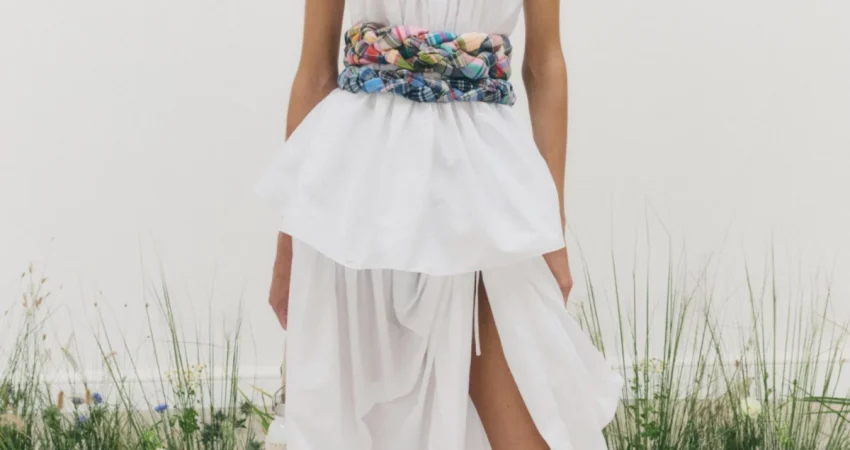
The resurgence of American heritage fashion on the global stage reached a new milestone this afternoon as Polo Ralph Lauren returned to Paris to unveil its latest collection, a presentation that balanced eclectic accumulation with a pragmatically formulated approach to the modern wardrobe. Under the creative direction of Karen Brown Brody, Senior Brand Creative Director for Women’s Polo and RLX, the collection sought to redefine the "American Summer" through a lens of global travel and timeless iconography. The presentation, held in the heart of the French fashion capital, signaled a strategic pivot for the brand as it continues to strengthen its presence in the European market while doubling down on the "canonical" pieces that have defined the Ralph Lauren aesthetic for over half a century.
The Concept of the Eclectic American Summer
The core philosophy behind the new collection is rooted in the narrative of a traveler—a woman whose wardrobe reflects a life lived across borders but anchored in American sensibilities. Karen Brown Brody articulated this vision by emphasizing the "haphazard" yet intentional nature of the styling. The collection aims to evoke the feeling of a woman who collects memories and artifacts from her travels, integrating them seamlessly into her daily attire.
"I really wanted to go back to a bit more of an American summer," Brody explained during the presentation. She described the "Polo woman" as a global citizen who might pick up jewelry in one corner of the world and a straw bag in another. However, despite these far-reaching influences, the collection remains grounded in what Brody calls "our classics and our icons." This tension between the exotic and the familiar serves as the foundation for the season, focusing on pieces that feel "innately Ralph Lauren" while offering fresh perspectives on proportion and texture.
Silhouettes and Stylistic Evolution
The collection presented two distinct directions in silhouette, reflecting a broader trend in the luxury market toward versatility and individualized expression. On one hand, tailoring has undergone a transformation toward the "shrunken and slender." These pieces—narrower blazers and cropped trousers—offer a sharp, contemporary edge to traditional preppy styles. Conversely, the collection also embraced a "breezily easy" aesthetic, characterized by wide-leg trousers, expansive shorts, and fuller skirts that prioritize movement and comfort.
One of the most notable stylistic choices was the "haphazard" tucking of shirts. Chino shorts were rolled high, with baggily-tucked shirt tails intentionally dropping from beneath the hem. According to Brody, this look was designed to mimic the effortless, hurried nature of a woman "who kind of just did it quickly and ran out." This move toward intentional imperfection reflects a shift in the fashion industry away from overly polished looks toward a more lived-in, authentic luxury.
The color palette was equally diverse, utilizing both sophisticated tonal combinations and bold monochromatic statements. Vibrant shades of cobalt, coral, red, and purple were juxtaposed against washed neutrals, creating a visual rhythm that felt both energetic and grounded. Traditional patterns, including Madras, checks, and florals, provided the necessary texture, while materials such as washed linen, cotton, crochet, and raffia reinforced the summer-centric theme.
Cultural Collaboration: The Authentic Makers Program
A significant highlight of the collection was the integration of indigenous artistry through Ralph Lauren’s Authentic Makers program. This season, the brand collaborated with Piki Wadsworth, a second-generation Diné (Navajo) and Hopi jewelry artist. This partnership is part of Ralph Lauren’s broader initiative to move beyond mere inspiration and toward active collaboration with cultural artisans, ensuring that traditional crafts are represented with integrity and credit.
Wadsworth’s contributions included handcrafted jewelry made from shells and stones, specifically turquoise and lapis. Each piece was cut, drilled, and polished by hand, representing a level of craftsmanship that contrasts with mass-produced luxury accessories. Brody integrated these pieces alongside straw bags and Madras scarves, creating a layered look that emphasized the "accumulated" nature of the wardrobe.
The Authentic Makers program was launched as part of Ralph Lauren’s commitment to racial equity and cultural sustainability. By partnering with artists like Wadsworth, the brand acknowledges the deep roots of "Americana" in indigenous cultures, providing a platform for these artists within the global luxury ecosystem. This move has been widely viewed by industry analysts as a necessary evolution for heritage brands seeking to remain relevant in a more socially conscious market.
Innovation in Signature Pieces
The collection also took the opportunity to experiment with Ralph Lauren’s most recognizable staples. The classic cable-knit sweater was reimagined as an ankle-length dress, transitioning from a familiar knit into delicate crochet fins at the hem. Similarly, the iconic white polo shirt was extended into a floor-length silhouette, transforming a sportswear staple into a sophisticated evening or day-wear option.
Furthermore, the piqué fabric typically reserved for polo shirts was "beefed up" in weight and utilized for structured yet easy jackets. This technical innovation allows the brand to maintain its visual DNA while expanding the functional utility of its signature materials. These "fresh flourishes" on classic items suggest a strategy of "evolution over revolution," catering to a loyal customer base while attracting a younger demographic interested in "quiet luxury" and "old money" aesthetics.
Accessories and Footwear: Building a Lasting Wardrobe
In terms of accessories, the Blaze bag remained a focal point, appearing in several new shapes, including a sleek clutch. The ID bag and various raffia styles also featured prominently, catering to the seasonal demand for natural textures. In footwear, the smoking-slipper-inspired Polo loafers returned in new iterations of suede and leather, reinforcing the collection’s focus on "wardrobe pieces"—items designed to be kept and worn for years rather than discarded after a single season.
"These are very much wardrobe pieces," Brody stated. "That’s what Polo’s all about." This emphasis on longevity aligns with current consumer trends toward "slow fashion" and investment-grade clothing.
Context and Market Implications
Ralph Lauren’s decision to show in Paris is a calculated move that underscores the brand’s global ambitions. While Ralph Lauren is the quintessential American brand, its performance in international markets has become increasingly vital to its bottom line. In recent fiscal reports, Ralph Lauren Corporation has seen significant growth in the European and Asian markets, often outperforming domestic sales growth.
The "Polo" label, in particular, serves as a high-volume entry point for many consumers into the Ralph Lauren universe. By presenting a collection that is "eclectically accumulated yet pragmatically formulated" in Paris, the brand is positioning Polo as a sophisticated, global label rather than just an American sportswear line.
Chronology of Recent Brand Milestones
- 2021: Launch of the "Authentic Makers" program to formalize collaborations with indigenous artisans.
- 2023: Ralph Lauren returns to the official New York Fashion Week calendar with a high-profile show in Brooklyn, emphasizing luxury and "The American Dream."
- Early 2024: The brand reports strong quarterly earnings, driven by a 6% increase in international revenue, highlighting the importance of the European market.
- Present: The Paris presentation of the Polo Spring/Summer collection, focusing on "wardrobe" longevity and cultural collaboration.
Expert Analysis: The Rise of "New Prep"
Industry analysts suggest that Ralph Lauren is currently benefiting from a resurgence of "preppy" fashion, often referred to on social media as "Old Money" or "Quiet Luxury." However, unlike the rigid interpretations of the 1980s, the current iteration is more inclusive and diverse.
The inclusion of Piki Wadsworth’s jewelry and the "haphazard" styling of the collection suggest that Ralph Lauren is aware of this shift. The brand is no longer just selling a uniform; it is selling a toolkit for self-expression. The pragmatic formulation of the wardrobe—focusing on pieces that work together across different contexts—is a direct response to a consumer who values utility as much as status.
Conclusion: A Vision of Modern Heritage
The Polo return to Paris was more than just a seasonal showcase; it was a reaffirmation of the brand’s core values in a changing global landscape. By blending the canonical elements of American style with global influences and artisanal collaborations, Ralph Lauren continues to define what "heritage" means in the 21st century.
As the fashion industry grapples with questions of sustainability and cultural appropriation, Ralph Lauren’s approach—focusing on "wardrobe pieces" and transparent collaborations through the Authentic Makers program—provides a potential roadmap for other legacy brands. The collection proves that while the "American Summer" may be the starting point, the destination is a global, timeless, and eclectic vision of luxury that resonates far beyond the shores of the United States.

0 Comments