
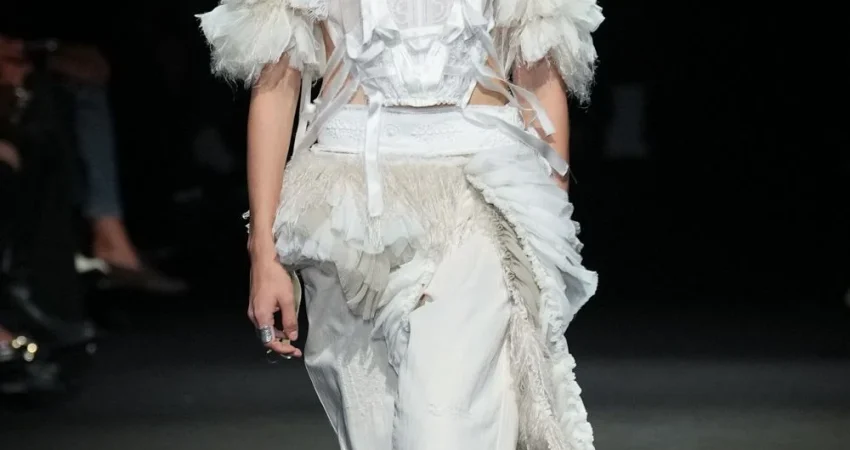
The digital landscape of fashion journalism has undergone a profound metamorphosis, positioning Vogue.com as the central pillar of global style discourse, beauty innovation, and cultural commentary. As of 2026, the platform has solidified its role not merely as a digital version of its storied print predecessor, but as a multi-dimensional ecosystem that integrates real-time reporting, sophisticated e-commerce engines, and high-production multimedia content. This evolution reflects a broader shift within the Condé Nast portfolio, where the integration of "CN Fashion & Beauty" divisions has streamlined global operations to meet the demands of an increasingly digital-first audience. By synthesizing celebrity style, fashion week updates, and rigorous culture reviews, the platform serves as a definitive record of the contemporary zeitgeist while navigating the complex economic realities of modern publishing.
The Economic Architecture of Modern Fashion Publishing
At the core of Vogue’s modern business strategy is a diversified revenue model that balances traditional advertising with sophisticated performance marketing. A critical component of this strategy is the implementation of affiliate partnerships, a practice where the publication earns a commission on products purchased through curated links within its editorial content. This transition from a purely ad-based model to a commerce-integrated framework represents a significant shift in how luxury media operates. By leveraging its editorial authority to drive consumer behavior, Vogue has effectively bridged the gap between inspiration and acquisition.
Industry data suggests that affiliate marketing in the luxury sector has grown by approximately 15% annually over the last three years. For legacy brands like Condé Nast, this provides a necessary buffer against the volatility of the traditional print advertising market. The transparency of this model is maintained through explicit disclosures, ensuring that the "Vogue" brand maintains its journalistic integrity while participating in the retail lifecycle. This economic synergy allows the publication to fund intensive investigative beauty coverage and global fashion week reporting, which remain the hallmark of its prestige.
A Chronology of Vogue’s Digital Integration
The journey from a weekly high-society gazette in 1892 to a 21st-century digital powerhouse is marked by several key milestones that defined the trajectory of fashion media:
- 1892–1909: Founded by Arthur Baldwin Turnure as a weekly publication for New York City’s elite. Following Turnure’s death, Condé Montrose Nast purchased the magazine and began its transformation into a premier fashion title.
- The Mid-20th Century: Under the leadership of editors like Diana Vreeland, Vogue became more provocative and culturally focused, expanding its reach beyond clothing to encompass the broader lifestyle of the modern woman.
- 1988–2020: Anna Wintour’s tenure saw the globalization of the brand and the initial launch of Vogue.com. This era was defined by the "celebrity as a supermodel" shift, which drastically increased the magazine’s cultural capital.
- 2020–2024: Condé Nast underwent a massive global restructuring, unifying its international editions under a more centralized editorial vision. This period saw the rise of digital-first content, the expansion of video storytelling, and the aggressive implementation of e-commerce strategies.
- 2025–2026: The current era is defined by the total integration of AI-driven personalization, global cross-platform synchronization, and a focus on sustainable luxury, as reflected in the brand’s updated digital infrastructure and legal frameworks.
Data-Driven Editorial and Global Reach
The "Select international site" feature on the Vogue platform is more than a navigational tool; it is a gateway to a global network of style. With editions in markets ranging from Paris and Milan to Shanghai and Mumbai, Vogue operates as a localized authority with global resonance. This decentralized yet unified approach allows the brand to capture hyper-local trends while maintaining a consistent global standard of excellence.
Statistical analysis of digital engagement indicates that Vogue’s fashion week coverage remains its highest traffic-generating event. During the "Big Four" fashion months (New York, London, Milan, Paris), the platform experiences a 400% increase in unique visitors. Furthermore, the "Beauty" vertical has seen a 25% increase in engagement as the industry shifts toward skincare and wellness, moving beyond traditional cosmetics. The use of video content, specifically "get ready with me" (GRWM) formats and "Inside the Wardrobe" series, has further diversified the audience demographic, attracting a younger, mobile-first generation that consumes media primarily through social-adjacent interfaces.
Legal Frameworks and Intellectual Property in the Digital Age
The protection of intellectual property is a paramount concern for Condé Nast in an era of rapid content redistribution. The "dangerous legalese" found in the platform’s footers serves as a necessary shield against the unauthorized reproduction and distribution of its material. As AI technologies become more adept at scraping and synthesizing editorial content, the legal boundaries surrounding "reproduced, distributed, transmitted, cached, or otherwise used" material have become more stringent.
Condé Nast’s 2026 copyright notice underscores the company’s commitment to defending its archive—one of the most valuable repositories of fashion history in the world. The legal stipulations regarding prior written permission are not merely formalities but are essential to maintaining the exclusivity and value of the Vogue brand. This is coupled with "Ad Choices" and privacy disclosures that align with global data protection regulations, such as GDPR and CCPA, ensuring that as the platform becomes more personalized, it remains compliant with international law.
The Role of Celebrity and Cultural Review
Vogue’s influence extends far beyond the runway. Its culture reviews provide a critical lens through which film, literature, and social movements are viewed. By positioning celebrity style within a broader cultural context, the publication elevates fashion from a commercial product to an art form. This approach is evident in the platform’s coverage of major events like the Met Gala, where the intersection of costume, fame, and philanthropy is analyzed with academic rigor and visual flair.
The strategic use of celebrity figures—not just as faces for brands, but as subjects of deep-dive profiles—allows Vogue to maintain its status as a tastemaker. In 2026, the definition of "celebrity" has expanded to include digital creators and activists, reflecting a more inclusive and diverse cultural landscape. This shift is reflected in the editorial choices made across Vogue.com, where the focus has moved toward storytelling that emphasizes sustainability, ethics, and social responsibility.
Broader Implications for the Media Industry
The success of Vogue’s digital model offers a blueprint for the future of legacy media. The integration of high-quality journalism with commercial viability through affiliate partnerships and data-driven advertising suggests that the "death of print" was not the end of journalism, but the beginning of a more resilient format. The transition to a "global brand" model, where content is shared and adapted across international borders, allows for a more efficient use of resources while maintaining a high level of editorial output.
However, this model also presents challenges. The reliance on affiliate revenue requires a delicate balance to ensure that editorial recommendations remain objective and trustworthy. Furthermore, the move toward digital-only or digital-primary content necessitates a constant evolution of technical infrastructure to handle high-volume traffic and protect against cybersecurity threats.
Conclusion: The Future of Vogue in 2026 and Beyond
As Vogue.com continues to navigate the complexities of the 2020s, its mission remains rooted in the pursuit of "the latest fashion news, beauty coverage, and celebrity style." Yet, the platform has grown into something much larger: a global arbiter of taste and a sophisticated commercial engine. By embracing the digital transition, Condé Nast has ensured that Vogue remains as relevant today as it was in 1892.
The brand’s ability to adapt to changing consumer behaviors—from the rise of social commerce to the demand for more ethical fashion—demonstrates a strategic agility that is rare among century-old institutions. As we look toward the latter half of the decade, the continued synergy between "CN Fashion & Beauty" and its global audience will likely define the next era of lifestyle media. Through rigorous reporting, innovative technology, and a steadfast commitment to its heritage, Vogue continues to lead the conversation in a world where style and substance are increasingly intertwined.

0 Comments