
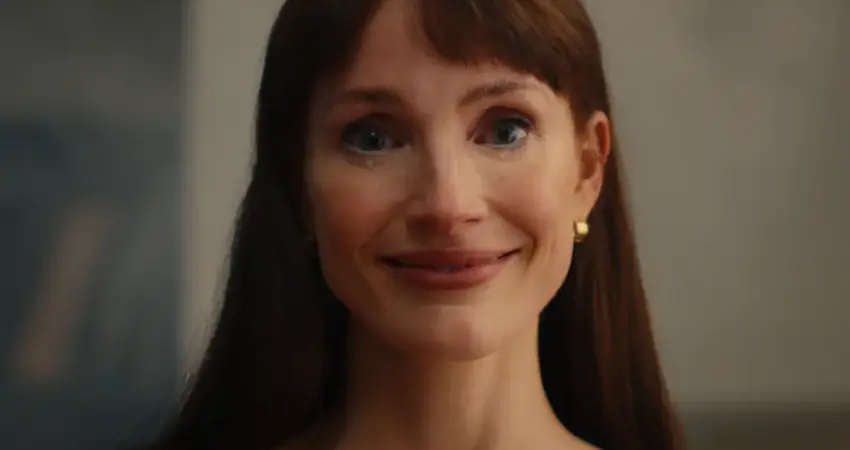
When Sesame Street debuted the character of Mr. Snuffleupagus in 1971, the large, mammoth-like creature was famously visible only to Big Bird. For fourteen years, the program’s writers treated "Snuffy" as an imaginary friend, a narrative device intended to highlight the whimsy of childhood imagination. However, by the mid-1980s, the cultural landscape regarding child safety and advocacy underwent a seismic shift. As reports of child sexual abuse became a prominent national news topic, the creators of the iconic children’s show grew concerned about the message they were inadvertently sending to their young audience. They feared that by portraying adults as perpetually skeptical of Big Bird’s claims regarding Snuffy, they might discourage children from reporting real-life trauma to the adults in their lives. Consequently, in a landmark 1985 episode, the "imaginary" status of Mr. Snuffleupagus was discarded, and the character was finally revealed to the adult residents of the fictional inner-city block. This move was a calculated effort to validate the voices of children and reinforce the idea that adults will believe them when they come forward with difficult truths.
Decades later, the horror film Other Mommy, starring Academy Award winner Jessica Chastain, enters a similar thematic dialogue. Directed by Rob Savage and based on Josh Malerman’s 2024 novel Incidents Around the House, the film serves as a psychological exploration of family dysfunction, parental guilt, and the vital necessity of parental belief. Unlike traditional horror tropes where children are ignored or dismissed as overactive dreamers, Other Mommy pivots toward a more modern, protective approach to parenting, while simultaneously using the supernatural to dissect the darker undercurrents of the domestic sphere.
The Narrative Framework of Other Mommy
The film follows seven-year-old Bela, portrayed by Arabella Olivia Clark, who begins reporting sightings of a malevolent entity in her room. This entity, which Bela refers to as "Other Mommy," eventually begins to take on the physical appearance of Bela’s mother, Ursula (Chastain). In a significant departure from the "gaslighting" tropes often found in the horror genre, Ursula and her husband Russ (Jay Duplass) do not dismiss Bela’s claims. Instead, they react with immediate fear and a desperate, if flawed, survival instinct. The entity is revealed to the parents almost instantly, establishing a foundation of trust that, while protective, does little to shield the family from the crumbling foundations of their own household.
The supernatural threat acts as a catalyst for the exposure of long-simmering familial tensions. Ursula is depicted as a mother struggling with the constraints of her role; she works late, harbors deep-seated resentment regarding the loss of her personal identity, and is embroiled in an extramarital affair with her husband’s best friend, Frank (Adrian Moayed). The entity, therefore, is not just an external monster but a manifestation of the internal rot within the marriage and the psychological burden placed upon the child.
Chronology of Themes: From Imaginary Friends to Psychological Entities
The transition of child-centric media from the 1970s to the present reflects a growing understanding of child psychology. The "Snuffleupagus Precedent" established a standard for media responsibility: the acknowledgment that child characters must be heard by their adult counterparts to model healthy real-world dynamics. Other Mommy takes this a step further by positioning the child as the most perceptive member of the family unit.

In the film’s chronology, the entity’s power grows in direct proportion to the instability of the home. As Ursula’s secrets are revealed—specifically her affair and her admission that she never truly desired motherhood—the entity gains the ability to shapeshift. It assumes the forms of the various men in Bela’s life, including Russ, her babysitter Kelvin (Sean Kaufman), and the interloper Frank. This shapeshifting serves as a literal representation of how domestic discord and adult indiscretions can distort a child’s perception of safety and authority.
Data and Analysis: The Impact of Parental Belief
Research in developmental psychology consistently highlights that the single most important factor in a child’s recovery from trauma—whether it be emotional neglect or physical abuse—is the presence of a supportive adult who believes their account. According to data from the National Child Traumatic Stress Network (NCTSN), children who are believed immediately upon disclosure show significantly lower rates of long-term psychological distress compared to those whose accounts are questioned or dismissed.
Other Mommy explores this data through a dark lens. While Ursula and Russ believe Bela, their own moral failings prevent them from providing a truly safe environment. The film introduces the concept of "parentification," a psychological phenomenon where a child is forced to take on the emotional or functional roles of an adult. Throughout the narrative, Ursula and Russ repeatedly turn to seven-year-old Bela for guidance on how to combat the entity. This reversal of roles highlights a different form of childhood vulnerability: the loss of innocence not through a singular act of violence, but through the weight of adult responsibilities and secrets.
The Subtext of Autonomy and Protection
While the film is overtly a supernatural thriller, it contains a heavy subtext regarding the grooming and manipulation tactics often used by predators. The "Other Mommy" entity frequently asks Bela for "carnations," a term the child eventually realizes is a mishearing of "incarnation"—a request for possession. The entity’s pleas for entry into Bela’s "heart" are framed as requests for a hug or a physical embrace.
"All it takes is a hug," the entity whispers in a climactic moment, echoing the coercive language used by individuals who seek to bypass a child’s physical boundaries. The film’s resolution hinges on Bela’s ability to set firm boundaries. By refusing the entity’s requests and asserting ownership over her own body and soul, Bela demonstrates the "body autonomy" lessons that have become a staple of modern parenting and child safety curricula. This narrative choice reflects a broader societal shift toward empowering children to say "no" to unwanted physical contact, even when it is framed as affection.
Production Background and Source Material
The film’s director, Rob Savage, who gained international acclaim for the pandemic-era horror film Host, utilizes a claustrophobic visual style to emphasize the inescapable nature of domestic trauma. By adapting Josh Malerman’s novel, Savage leans into the "uncanny valley" of the familiar. Malerman, best known for Bird Box, specializes in horror that stems from sensory deprivation or the distortion of the maternal bond.

The casting of Jessica Chastain adds a layer of prestige and intensity to the project. Chastain, known for her roles in films that explore complex female psyches, portrays Ursula not as a villain, but as a deeply flawed human whose guilt provides the "glitter" (a recurring motif in the film) that attracts the entity. The entity’s use of balloons, ball pits, and sparkles to lure Bela serves as a chilling reminder of how predators often use childhood symbols of joy as tools of entrapment.
Broader Implications and Genre Evolution
Other Mommy represents a growing trend in "elevated horror" where the supernatural is used to discuss social and psychological issues that are otherwise difficult to confront. Similar to films like The Babadook or Hereditary, the monster is a metaphor for inherited trauma and the failures of the nuclear family.
The film’s conclusion provides a sobering takeaway for audiences. It suggests that while believing children is the essential first step, it is not a panacea for the damage caused by adult dishonesty. The "corruption of innocence" occurs not when the monster attacks, but when the mother is forced to tell her daughter the truth: that her birth was a mistake and that her family structure is built on lies.
In the final analysis, Other Mommy serves as a dark companion to the lessons learned by Sesame Street in 1985. It reinforces the idea that children are acutely aware of the discord in their homes, even when parents believe they are hiding it. The film challenges the audience to recognize that the "monsters" in a child’s life are often fueled by the secrets adults keep. By validating Bela’s fear and eventually her boundaries, the film advocates for a world where children are not just heard, but are given a reality worth believing in. For the modern viewer, the message is clear: the safety of a child depends entirely on the honesty and presence of the adults charged with their care.

0 Comments