
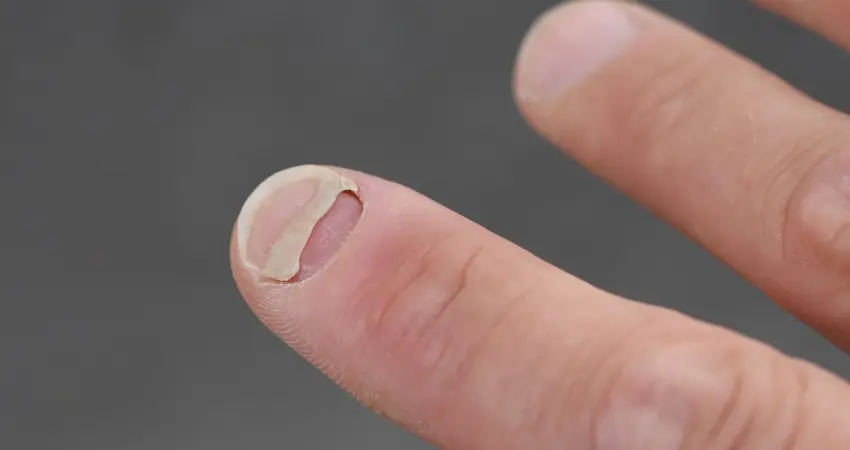
A growing body of research is highlighting an unexpected side effect associated with the increasingly popular class of GLP-1 receptor agonist medications, commonly prescribed for type 2 diabetes and weight management. A multinational study presented at the European Academy of Dermatology and Venereology (EADV) Congress 2026 has revealed a substantial association between the use of these drugs, including widely recognized names such as Ozempic, Wegovy, Mounjaro, Zepbound, Victoza, and Trulicity, and a significantly higher incidence of nail disorders, most notably nail detachment.
The study, which involved participants from France, the United States, Brazil, and Mexico, found that individuals utilizing GLP-1 medications were more than four times as likely to report nail detachment—a condition where the nail separates from the underlying nail bed—compared to those who had never taken these drugs. This finding, coupled with increased rates of nail discoloration and a general rise in reported nail disorders, suggests a broader impact of these metabolic medications on dermatological health than previously understood.
The Emerging Nail Concern: A Deeper Dive into the Data
The research, conducted by a team of international scientists, examined 575 individuals currently taking GLP-1 medications and compared them with a control group of 1,329 individuals who had type 2 diabetes and/or obesity but had no history of GLP-1 use. The results painted a striking picture:
- Nail Detachment: A significant 39% of GLP-1 users reported experiencing nail detachment, a stark contrast to the 9% observed in the control group. This represents an over fourfold increase in the likelihood of experiencing this specific nail issue among users of these medications.
- Overall Nail Disorders: When considering any reported nail disorder, the prevalence was considerably higher in the GLP-1 user group. A substantial 66% of users reported at least one nail disorder, compared to 53% of the control group.
- Nail Discoloration: Another notable disparity was observed in nail discoloration, which affected 46% of GLP-1 users, significantly more than the 17% of nonusers.
Dr. Charles Taëb, a lead author of the study, commented on the findings, stating, "Until now, nail changes associated with GLP-1 therapies had essentially been anecdotal. Our findings show a clear association, but they also underline an important point: not everything that happens during GLP-1 treatment is necessarily caused by the treatment itself." This cautious approach is crucial, as the study authors emphasize that their findings establish an association, not a definitive causal link, particularly given that approximately half of the medication users reported experiencing nail problems prior to initiating treatment.
Disentangling Weight Loss from Medication Effects
A key consideration in interpreting these findings is the potential role of rapid weight loss, a common outcome of GLP-1 therapy. Significant changes in body weight can influence nutritional status and various physiological processes, which in turn can affect hair and nail health. However, the researchers took steps to isolate the medication’s influence from that of weight reduction.
Even when the analysis was narrowed to participants who had experienced weight loss, GLP-1 users continued to report a significantly higher prevalence of nail problems compared to individuals who had lost weight but had not used these medications. This suggests that while weight loss may be a contributing factor, it does not fully explain the observed differences in nail health.
Further statistical adjustments were made to account for pre-existing skin conditions and nutritional deficiencies. While these adjustments did reduce some of the disparities between the groups, nail detachment and discoloration remained approximately two to three times more common among GLP-1 users. This indicates a persistent association that warrants further investigation beyond general physiological changes associated with weight loss.
Beyond Nails: Hair and Scalp Health Also Impacted
The study’s scope extended beyond fingernails, revealing a parallel trend of adverse dermatological effects on hair and scalp health among GLP-1 users. A companion study, utilizing the same participant cohort, identified significant differences in hair and scalp conditions:
- Unusual Hair Loss: Half of the GLP-1 users reported experiencing unusual hair loss, compared to 34% of nonusers.
- Reduced Hair Volume/Density: A substantial 42% of users reported a decrease in hair volume or density, a concern echoed by only 19% of the control group.
- Hair Loss Post-Treatment: Specifically, hair loss that began after the initiation of GLP-1 therapy was reported by 26% of users, more than double the 12% incidence among nonusers.
- Scalp Redness: Scalp redness was observed to be approximately three times more frequent in the GLP-1 user group.
Intriguingly, the research indicated that hair loss rarely occurred in isolation. Most users experiencing shedding also reported concomitant scalp symptoms such as itching, redness, or flaking. This observation led researchers to hypothesize that an inflammatory component might be at play, contributing to the hair and scalp changes, rather than solely attributing them to the rapid weight reduction typically associated with these medications.
Dr. Bruno Halioua, another author of the study, suggested, "This suggests that what is happening on the scalp may go beyond the classical shedding seen after rapid weight loss and involve an inflammatory component. Scalp inflammation was the rule rather than the exception, which clinicians do not currently look for and which may be treatable." This insight opens new avenues for understanding and potentially managing these side effects.
Background and Chronology of GLP-1 Medications and Research
The rise of GLP-1 receptor agonists began with their introduction as innovative treatments for type 2 diabetes. Originally developed to mimic the action of glucagon-like peptide-1, a natural hormone that helps regulate blood sugar levels and appetite, these medications have proven highly effective in improving glycemic control. Semaglutide (Ozempic, Wegovy) and tirzepatide (Mounjaro, Zepbound) are among the most prominent examples, with their efficacy in promoting significant weight loss leading to their expanded use for obesity management.
The timeline of their widespread adoption has been marked by increasing recognition of their benefits for metabolic health. However, as their patient base has grown exponentially over the past decade, so too has the volume of reported adverse events. Initially, many side effects were gastrointestinal in nature, such as nausea and vomiting, which are common during the titration phase of these medications.
Information regarding dermatological effects, including nail and hair changes, has largely been derived from individual case reports and patient testimonials shared through online forums and patient advocacy groups. This anecdotal evidence spurred the need for more robust, controlled scientific inquiry. The EADV Congress 2026 presentation represents a significant step in this direction, offering the first controlled study to systematically investigate the relationship between GLP-1 medications and nail health, and by extension, hair and scalp conditions.
Broader Implications and Future Research Directions
The findings from the EADV Congress 2026 studies carry significant implications for both healthcare providers and patients managing their health with GLP-1 medications. While the observed dermatological issues are described as frequent and generally benign, they underscore the importance of comprehensive patient counseling and monitoring.
Key implications include:
- Enhanced Patient Awareness: Healthcare professionals should proactively discuss the potential for nail, hair, and scalp changes with patients initiating or continuing GLP-1 therapy. This can help manage expectations and prevent undue concern if such symptoms arise.
- Differential Diagnosis: Clinicians need to be aware that these symptoms, while potentially linked to GLP-1 use, can also have other underlying causes. A thorough medical history, including pre-treatment conditions, and potentially further diagnostic tests, will be crucial.
- Management Strategies: If an inflammatory component is indeed a significant factor in hair and scalp issues, as suggested by Dr. Halioua, this opens possibilities for targeted treatments, such as topical anti-inflammatory agents, which are not currently standard practice for medication-induced hair loss.
- Treatment Adherence: The researchers stressed that these findings should not prompt patients to discontinue their prescribed GLP-1 therapy without consulting their physician. The benefits of these medications for managing chronic conditions like diabetes and obesity often outweigh the risks of these usually manageable side effects.
However, it is imperative to acknowledge the limitations of the current studies. As cross-sectional investigations, they capture a snapshot in time and cannot establish causality or the temporal relationship between medication use and symptom onset. The reliance on self-reported symptoms, rather than standardized clinical examinations, also introduces a degree of subjectivity.
To address these limitations, the research team plans to embark on prospective studies. These future investigations will involve longitudinal tracking of patients from the commencement of GLP-1 treatment, incorporating standardized dermatological, hair, and nail examinations, alongside biological monitoring. This will allow researchers to pinpoint when specific changes manifest, elucidate the underlying mechanisms, and assess whether these symptoms resolve or persist over time. Such rigorous research is vital for confirming the direct impact of GLP-1 medications and developing evidence-based recommendations for their management.
The research received institutional support from DUCRAY Laboratories (Pierre Fabre Group), a company focused on dermatological and hair care products. This collaboration highlights the growing interest from the pharmaceutical and cosmetic industries in understanding and addressing the dermatological impacts of systemic medications.

0 Comments