
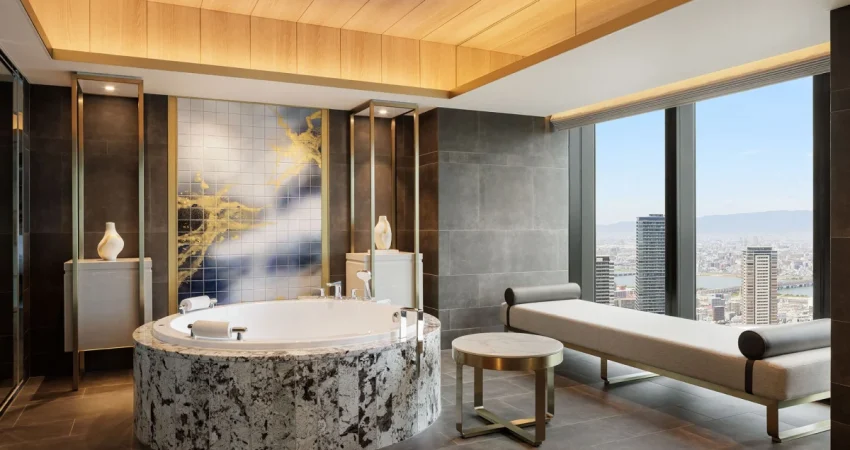
The city of Kanazawa, often referred to as the cultural jewel of the Hokuriku region, has undergone a profound transformation in its tourism and hospitality landscape over the last decade. Historically recognized for its well-preserved Edo-period districts and the renowned Kenrokuen Garden, the city’s accessibility and international profile were significantly elevated following the 2015 extension of the Hokuriku Shinkansen. This infrastructure development, which reduced travel time from Tokyo to approximately two and a half hours, catalyzed a surge in domestic and international arrivals, prompting a wave of hotel developments ranging from boutique lifestyle brands to high-rise luxury establishments. Today, the hospitality sector in Kanazawa serves as a vital bridge between the city’s rich artisanal heritage and its modern economic ambitions, with three distinct properties—the Hyatt Centric Kanazawa, the Mitsui Garden Hotel Kanazawa, and the Hotel Nikko Kanazawa—exemplifying the diverse strategies employed to capture a growing market of sophisticated travelers.
The Evolution of Kanazawa’s Tourism Infrastructure
To understand the current state of Kanazawa’s hotel industry, one must look at the chronological shifts in the region’s connectivity. Prior to 1994, Kanazawa’s hospitality market was dominated by traditional ryokans and localized business hotels. The opening of the Hotel Nikko Kanazawa in 1994 marked a turning point, establishing a new standard for luxury and verticality in the region. However, the most significant catalyst was the March 2015 Shinkansen extension. Data from the Ishikawa Prefectural Government indicates that the number of tourists visiting Kanazawa surged by nearly 25% in the year following the bullet train’s arrival.
More recently, the March 2024 extension of the Shinkansen line further south to Tsuruga in Fukui Prefecture has once again placed Kanazawa at the center of a logistical hub, reinforcing its status as the primary gateway to the Sea of Japan coast. This sustained growth has attracted international brands like Hyatt, while encouraging domestic chains like Mitsui Garden to refine their offerings to meet the expectations of "bleisure" (business and leisure) travelers who demand cultural immersion alongside modern amenities.
Hyatt Centric Kanazawa: A Case Study in Modern Lifestyle Integration
Located on the burgeoning west side of Kanazawa Station, the Hyatt Centric Kanazawa represents a shift in the city’s urban planning. While the east side of the station has traditionally been the commercial and transit focal point, the west side has evolved into a quieter, more sophisticated district. The Hyatt Centric, positioned just steps from the Shinkansen platforms, utilizes its location to offer a "lifestyle" experience that prioritizes local storytelling through design.
The property’s aesthetic is a deliberate homage to Kanazawa’s status as a UNESCO City of Crafts and Folk Art. Room numbers are presented on vibrantly colored Kutaniyaki plates, a style of porcelain that dates back to the 17th century, known for its bold pigments and intricate patterns. The interior design further incorporates "kinpaku" (gold leaf), an industry where Kanazawa produces 99% of Japan’s total output. By weaving these elements into the guest rooms—specifically through the use of colorful washi paper headboards—the hotel functions as a living gallery.
From a culinary perspective, the Hyatt Centric focuses on the "Kanazawa Curry" phenomenon and the region’s specialized seafood. The inclusion of "nodoguro himono" (black-throat seaperch) in its breakfast buffet aligns with the city’s reputation for high-end fatty fish. Industry analysts note that Hyatt’s entry into the Kanazawa market at a price point of approximately $125 per night reflects a strategic move to capture younger, design-conscious international travelers who seek brand reliability paired with authentic local flair.
Mitsui Garden Hotel Kanazawa: Cultural Immersion through Gastronomy and Wellness
In contrast to the station-side convenience of the Hyatt, the Mitsui Garden Hotel Kanazawa is situated near the historic Omicho Market and the Oyama Shrine. This positioning targets a demographic of "active sightseers"—travelers who prioritize proximity to cultural landmarks. The Mitsui Garden brand, a staple of the Mitsui Fudosan Group, has carved a niche by offering a "step up" from the traditional Japanese business hotel, providing larger room footprints and a heavy emphasis on the "public bath" (sento) culture.
The hotel’s top-floor public bath provides panoramic views of the city, a feature that has become a competitive necessity in the Japanese mid-to-high-range market. However, the property’s primary differentiator is its "Nouka Obanzai" breakfast buffet. This concept utilizes the "eat with your eyes" philosophy, a cornerstone of Japanese aesthetics. By serving Kaga vegetables—a designated group of traditional vegetables grown in the region—on Yamanaka lacquerware and Kutaniyaki porcelain, the hotel supports local artisans while providing a high-value culinary experience.
With prices starting around $330 per night, the Mitsui Garden Hotel Kanazawa positions itself as a premium boutique experience. The presence of Kanazawa oden and pork shabu-shabu in its morning offerings reflects a trend toward "regionalized menus" that help hotels stand out in a saturated market. The proximity to the Kanazawa Loop Bus stop further enhances its utility, making it a strategic choice for tourists navigating the city’s decentralized historical districts.
Hotel Nikko Kanazawa: The Enduring Legacy of Regional Luxury
Standing as the tallest building in the Hokuriku region, the Hotel Nikko Kanazawa remains the "standard-bearer" for the city’s hospitality sector. Since its inception in 1994, it has served as the primary venue for local high-society events, international conferences, and luxury tourism. Its location at the east exit of Kanazawa Station provides unparalleled access to the city’s bus terminal, the primary artery for reaching the Higashi Chaya District and Kenrokuen Garden.
The Hotel Nikko’s 249 guest rooms are situated above the 17th floor, offering a topographical advantage that no other property in the city can match. This verticality is leveraged by its eight restaurants and bars, which cater to both guests and local residents. The hotel’s breakfast menu is particularly notable for its inclusion of "fugu" (pufferfish) pickled in rice bran, a local delicacy that requires specialized licensing and preparation techniques.
Despite the influx of newer, more modern hotels following the 2015 Shinkansen extension, the Hotel Nikko maintains a strong market share through its reputation for "omotenashi" (traditional Japanese hospitality) and its experienced staff. Priced from approximately $144 per night, it offers a high-end experience that remains accessible to a broad range of travelers, balancing its legacy status with contemporary culinary trends, such as its vegan menus featuring Kaga vegetables and unique "fu" (wheat gluten) French toast.
Supporting Data and Economic Impact
The concentration of these diverse hotel offerings around Kanazawa Station and the central districts has had a measurable impact on the local economy. According to data from the Kanazawa City Tourism Association, the "per-visitor" expenditure has seen a steady increase as travelers opt for higher-end accommodations that offer curated experiences.
| Hotel Name | Location | Key Feature | Starting Price (Est.) |
|---|---|---|---|
| Hyatt Centric | West Station Exit | Modern Art & Design | $125 |
| Mitsui Garden | Near Omicho Market | Public Bath & Obanzai | $330 |
| Hotel Nikko | East Station Exit | Height & Classic Service | $144 |
Furthermore, the integration of local crafts—lacquerware, porcelain, and gold leaf—into the hotel environment serves as a vital marketing channel for Kanazawa’s artisanal industries. By exposing international guests to these crafts within the hotel setting, there is a documented "spillover effect" where guests are more likely to visit local workshops in the Higashi Chaya and Nagamachi Samurai districts.
Official Responses and Industry Outlook
Management representatives from the region’s hospitality sector have expressed a cautiously optimistic outlook for the coming years. A spokesperson for the local tourism bureau stated, "The goal for Kanazawa is no longer just increasing the number of visitors, but increasing the quality of the stay. We are seeing a trend where hotels are becoming destinations themselves, rather than just places to sleep."
Analysts suggest that the "Kanazawa Model"—where modern hotels act as curators of local culture—is likely to be replicated in other secondary Japanese cities. The primary challenge remains the labor shortage in the service industry, a national issue in Japan that is particularly felt in high-growth regions like Hokuriku. However, through the use of technology and the promotion of regional gastronomy, Kanazawa’s hotels are successfully maintaining high service standards.
Broader Implications for the Hokuriku Region
The success of Kanazawa’s hotel industry has broader implications for the Ishikawa Prefecture and the wider Hokuriku region. As Kanazawa becomes more crowded, there is a strategic push to direct "overflow" tourism to nearby areas like the Noto Peninsula and the hot spring towns of Kaga Onsen. The hotels in Kanazawa serve as the "hub" for these excursions, with many guests using the city as a base for day trips.
The resilience of the sector was also tested following the Noto Peninsula earthquake in early 2024. While the city of Kanazawa suffered minimal structural damage compared to the northern parts of the prefecture, the hospitality industry played a crucial role in the recovery phase, providing housing for displaced residents and emergency workers, and later, leading the campaign to bring tourists back to the region to support the local economy.
In conclusion, the Hyatt Centric, Mitsui Garden, and Hotel Nikko represent more than just accommodation options; they are reflections of Kanazawa’s multifaceted identity. From the art-driven modernity of the west station side to the culinary-focused wellness of the market district and the sky-high traditional luxury of the east exit, these establishments are integral to the city’s mission of preserving its past while embracing a globalized future. As the Shinkansen network continues to expand and international interest in Japan’s regional cultures grows, Kanazawa’s hospitality sector stands as a sophisticated example of how a city can successfully manage rapid growth without losing its soul.

0 Comments