
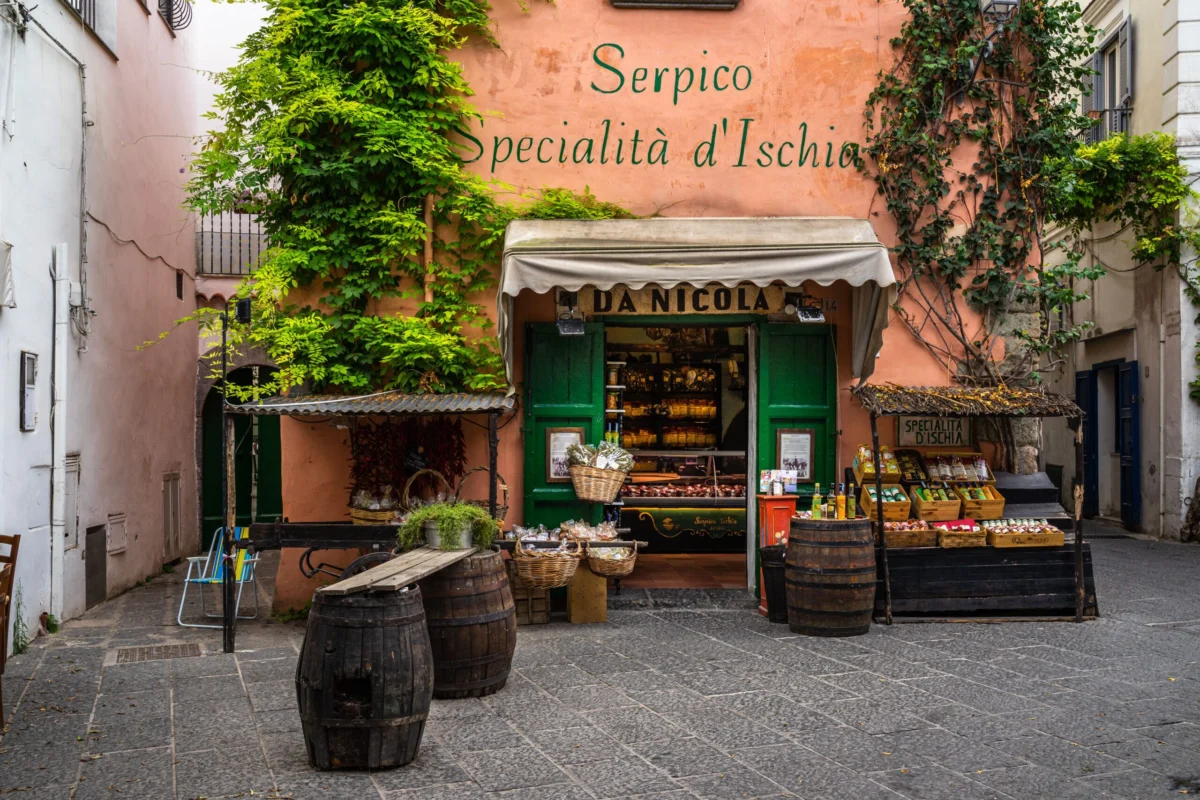
Located in the Tyrrhenian Sea, approximately 30 kilometers from the bustling port of Naples, the volcanic island of Ischia stands as a testament to the enduring power of Mediterranean agricultural traditions. Known as the "Isola Verde" (Green Island), Ischia offers a sensory profile defined by its mineral-rich soil, sprawling citrus groves, and a rugged interior dominated by Mount Epomeo. While international perceptions of Italian cuisine are frequently dominated by the staples of pizza and pasta, Ischia’s culinary landscape reveals a more complex narrative—one where the land’s volcanic heritage dictates the flavors of the table. For travelers and gastronomes, the island serves as a living museum of ancient Roman influences, innovative viticulture, and a deep-seated respect for the "Slow Food" philosophy.
The Historical and Geological Foundation of Ischian Cuisine
The culinary identity of Ischia is inseparable from its geological origins. As part of the Phlegraean Fields volcanic complex, the island’s soil is high in potassium, phosphorus, and sulfur, which imparts a distinct minerality to its produce. This "volcanic terroir" is the primary reason for the exceptional sweetness of the island’s tomatoes and the aromatic intensity of its herbs, such as basil and wild oregano.
Historically, Ischia’s isolation from the mainland necessitated a self-sufficient agricultural model. While the surrounding waters are rich in seafood, the island’s interior has traditionally been the heart of its sustenance. This land-centric approach dates back to the Ancient Romans, who introduced rabbits to the island. Over centuries, these animals became the primary source of protein for the local population, leading to the development of the island’s most iconic dish: Coniglio all’Ischitana (Ischia-style rabbit).
The Coniglio all’Ischitana: A Centuries-Old Tradition
Contrary to the expectations of many visitors who associate Italian islands exclusively with maritime diets, the Coniglio all’Ischitana remains the definitive signature of Ischian gastronomy. The dish is more than a recipe; it is a cultural artifact that reflects the island’s historical farming practices.

Traditional methods involve the "da fossa" system, where rabbits are raised in deep burrows or pits. This environment allows the animals to live in a semi-wild state, tunneling through the earth and feeding on local vegetation, including fava bean stems, legumes, and vine leaves. This diet and lifestyle result in meat that is leaner and more flavorful than commercially farmed alternatives.
In a professional kitchen, the preparation of Coniglio all’Ischitana is a slow, methodical process. The rabbit is typically cooked in a tegame—a traditional clay pot—with a whole bulb of garlic, vine-ripened tomatoes, and a generous pour of local white wine. The slow-cooking process allows the rabbit to braise in its own juices, creating a rich, savory sauce that is often used to dress pasta as a first course (primo piatto), followed by the meat as the second course (secondo piatto). Organizations like the Slow Food movement have been instrumental in preserving these "da fossa" practices, ensuring that modern commercialization does not erode the island’s heritage.
The Vegetarian Landscape: Volcanic Soil and Agricultural Abundance
While meat holds a central place in Ischian history, the island is remarkably accommodating to vegetarian diets—a characteristic that distinguishes it from some of Italy’s more meat-centric northern regions. The abundance of arable land means that antipasti are frequently composed entirely of vegetables, legumes, and cheeses.
The aubergine (eggplant) is a staple of the Ischian summer harvest. Travelers will find two primary preparations across the island: Parmigiana di Melanzane and Melanzane alla Funghetto. The former is a baked casserole featuring layers of fried aubergine, tomato sauce, and mozzarella—often smoked garlic mozzarella in the Ischian variation. The latter is a more rustic preparation where the aubergine is cubed and pan-fried with garlic and cherry tomatoes, highlighting the earthy flavor of the vegetable.
This agricultural diversity is supported by the island’s microclimates. The coastal areas are dominated by citrus production, particularly the large, thick-skinned lemons used for local liqueurs and salads, while the higher elevations of Mount Epomeo provide the cooling temperatures necessary for delicate herbs and leafy greens.

Supporting Data: The Impact of Culinary Tourism
Culinary tourism has become a vital pillar of Ischia’s economy. According to data from the Campania regional tourism board, food and wine experiences are among the top three motivators for international visitors to the Neapolitan islands. The rise of "gastronomic pilgrimages" has been further accelerated by global media coverage.
In 2021, the island received a significant boost in international visibility following the broadcast of "Stanley Tucci: Searching for Italy." The program’s focus on Ischian rabbit and traditional trattorias introduced the island’s unique inland cuisine to a global audience. Local business owners have reported a sustained increase in reservations and interest in traditional cooking methods following such media exposure. Furthermore, the island’s commitment to preserving its agricultural roots is reflected in the high density of family-run establishments, many of which have been in operation for multiple generations.
Essential Culinary Destinations on Ischia
To understand the breadth of Ischian cuisine, one must explore the various communes that comprise the island, each offering a different perspective on local ingredients.
Trattoria Il Focolare (Fiaiano)
Located in the hills between Casamicciola and Fiaiano, Trattoria Il Focolare is widely regarded as the guardian of Ischian tradition. Run by the D’Ambra family, the restaurant emphasizes the "Slow Food" philosophy. The kitchen, led by brothers Agostino and Francesco, specializes in the traditional rabbit dish and a multi-plate antipasti feast that showcases the seasonal bounty of the family’s land. The restaurant’s interior, decorated with photos of notable guests including Stanley Tucci and Michael B. Jordan, reflects its status as a global destination for authentic Ischian flavors.
Jack all’Epomeo (Forio)
In the heart of Forio’s Piazza Matteotti, Jack all’Epomeo offers a more urban, buzzy atmosphere. While the restaurant serves classic Italian staples such as pizza and spaghetti aglio e olio, it is particularly noted for its "fish of the day." This provides a necessary balance to the island’s meat-heavy inland traditions, sourcing fresh catch directly from the Forio harbor.

Di Meglio (Forio)
Forio is also home to Di Meglio, a pizzeria that challenges the dominance of mainland Naples. Despite Ischia’s reputation as a high-end destination, Di Meglio maintains accessibility, offering authentic Neapolitan-style pizzas at competitive prices. The Calzone Napoletano is a standout, demonstrating the technical skill required to balance dough hydration and heat in a wood-fired oven.
Ristorante O’ Pignattello (Lacco Ameno)
In the coastal town of Lacco Ameno, Ristorante O’ Pignattello offers a more contemporary approach to Ischian ingredients. The restaurant is known for its blind tasting menus, where the chef curates a four-course progression based on the day’s freshest market finds. This establishment is also a hub for oenophiles, featuring an extensive list of Ischian wines, including those produced from the Biancolella and Forastera grape varieties.
La Veranda Restaurant (San Montano Resort & Spa)
For a high-end dining experience, La Veranda provides an inclusive menu that caters to vegan and vegetarian diners—a rarity in traditional Italian fine dining. Overlooking San Montano Bay, the restaurant focuses on refined presentations of local staples, such as a visually striking striped green-and-white parmigiana and housemade breadsticks.
Viticulture and the Sweet Finish
No analysis of Ischian cuisine is complete without acknowledging its wine production. The island’s viticulture is often described as "heroic," as many vineyards are situated on steep, terraced slopes that require manual labor and traditional harvesting techniques. Ischia was the first area in Italy to be granted a DOC (Denominazione di Origine Controllata) for its white wine. The volcanic soil lends a saline, flinty quality to the whites, making them the perfect accompaniment to both rabbit and seafood.
For dessert, the island offers the La Pastiera, a ricotta-filled tart traditionally associated with Easter but available year-round due to demand. Additionally, the prevalence of citrus groves ensures that lemon gelato is a ubiquitous and essential palate cleanser, often made with the juice of lemons picked just hours prior.

Implications for Sustainable Gastronomy
The future of Ischia’s culinary scene lies in the balance between modern tourism and the preservation of ancient practices. As global food systems become increasingly homogenized, Ischia’s insistence on local sourcing and traditional methods like the "da fossa" rabbit farming serves as a model for sustainable gastronomy. The island’s ability to offer a diverse range of options—from high-end vegan-friendly tasting menus to historic meat-based traditions—ensures its continued relevance in the competitive Mediterranean travel market.
By maintaining a focus on the land and the specific qualities of its volcanic soil, Ischia protects its cultural identity while providing a unique value proposition for the modern traveler. The ritual of food on the island remains a point of immense pride, suggesting that while the world outside may change, the sweet air of Ischia will continue to carry the scent of mineral earth, citrus, and slow-cooked tradition for generations to come.

0 Comments