
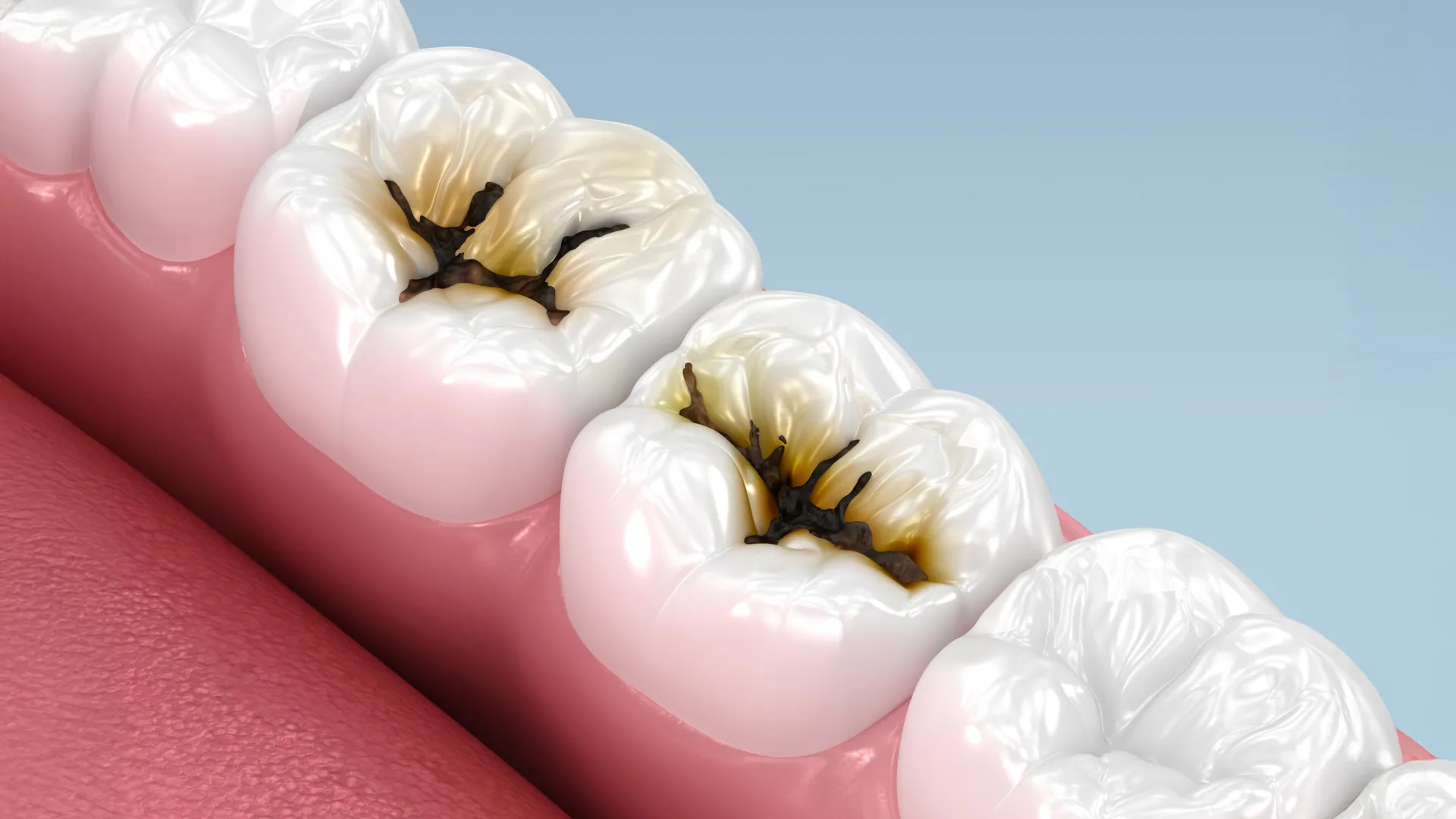
Untreated dental cavities are a pervasive and serious public health issue for young children in the United States, leading to thousands of emergency department visits annually. These visits often fail to address the root cause of the problem, leaving children to endure ongoing pain and infection, and sometimes necessitating complex surgical interventions under general anesthesia. However, a low-cost, easy-to-apply liquid known as silver diamine fluoride (SDF) is emerging as a highly promising alternative, offering a simpler and less invasive approach to managing tooth decay. A pivotal new clinical trial, led by researchers at the University of Michigan, has provided robust evidence of SDF’s safety and effectiveness in arresting cavities in young children, potentially paving the way for wider adoption and FDA approval as a drug for treating tooth decay.
The Growing Crisis of Childhood Tooth Decay
The statistics surrounding childhood tooth decay are stark. It remains the most common chronic disease affecting children in the United States, impacting more than 40% of this vulnerable population. The consequences of untreated cavities extend far beyond discomfort. Children can suffer from debilitating pain, recurrent infections, significant disruptions to their sleep and eating patterns, missed school days, and a cycle of frequent and often ineffective medical interventions. The economic burden on families and the healthcare system is substantial, with emergency room visits for dental issues costing millions of dollars each year. These visits, as highlighted in the initial findings, often serve as a temporary bandage rather than a cure, as hospital physicians typically lack the dental expertise to address the underlying decay.
Silver Diamine Fluoride: A Long-Standing Solution with Renewed Evidence
Silver diamine fluoride, a liquid solution, has a history of successful use in various countries for decades. Its mechanism of action is twofold: the silver ions possess antibacterial properties that kill the bacteria responsible for decay, while the fluoride ions help remineralize the tooth structure, thereby strengthening it and preventing further demineralization. In the United States, dentists have been utilizing SDF off-label since 2014, when it received approval as a medical device primarily for reducing tooth sensitivity. However, the lack of comprehensive, large-scale U.S. clinical trials specifically demonstrating its efficacy as a cavity treatment had been a barrier to its broader acceptance and formal FDA drug approval for this indication.
The Landmark University of Michigan Study
This critical gap in evidence has now been addressed by a large-scale Phase III clinical trial conducted under the leadership of the University of Michigan. Published in the esteemed journal JAMA Pediatrics, this study enrolled 830 children younger than age 6. The recruitment strategy was multi-faceted, engaging participants through dental offices, pediatric medical practices, and vital community programs like Head Start and Early Head Start across Michigan, New York, and Iowa. This broad outreach ensured a diverse participant pool, representative of children who might benefit from such an intervention.
The study meticulously tracked the application of SDF to cavities in primary, or "baby," teeth. The application process itself is remarkably simple and quick, involving a small sponge-tipped applicator that directly paints the liquid onto the decayed area. This contrasts sharply with traditional cavity treatments, which typically require drilling to remove decayed tooth material and subsequent placement of a filling, often necessitating local anesthesia and sedation for young children.
Arresting Decay: Key Findings of the Trial
The results of the University of Michigan trial have provided compelling data on SDF’s effectiveness. The researchers reported that SDF successfully arrested tooth decay in more than half of the affected baby teeth when applied at six-month intervals. Specifically, the study found that approximately 38% of the treated cavities showed no further progression of decay after the intervention. This success rate is significant, offering a tangible alternative to more invasive dental procedures.
Dr. Margherita Fontana, a professor of dentistry at the University of Michigan School of Dentistry and the lead investigator of the study, expressed enthusiasm about the findings. "This is a very effective and safe treatment – even in children as young as 1," she stated. Her sentiment underscores the potential of SDF to address decay in even the youngest and most vulnerable patients, often those who are the most challenging to treat with conventional methods.
A Transformative Option for High-Risk and Underserved Populations
The implications of this research extend far beyond the immediate treatment of cavities. SDF presents a particularly valuable option for specific patient groups who often face significant barriers to conventional dental care. Dr. Fontana highlighted its potential utility for very young children, older adults, individuals with developmental or physical disabilities, and those who experience severe dental anxiety. Furthermore, for populations with limited access to regular dental care or those who struggle to tolerate standard dental procedures, SDF offers a lifeline. This includes individuals in rural areas, those with transportation challenges, and families facing financial constraints that make routine dental visits a luxury.
The simplicity and speed of SDF application are crucial advantages. A single application takes mere seconds per tooth, drastically reducing chair time and potentially increasing the number of children who can be treated within a given timeframe. This is especially important in community health settings and school-based dental programs where efficiency is paramount.
Addressing the Aesthetic Drawback
While the therapeutic benefits of SDF are substantial, it is important to acknowledge its primary aesthetic drawback: the silver component permanently darkens the decayed portion of the tooth. This discoloration, while not affecting the tooth’s function, can be a concern for some patients and parents. However, for many, particularly when dealing with primary teeth that will eventually be lost, the functional benefits of arresting decay and alleviating pain far outweigh the cosmetic considerations. Future research may explore methods to mitigate this discoloration or to combine SDF with other aesthetic restorative techniques.
The Road to FDA Approval and Broader Implementation
The University of Michigan study represents a critical step towards securing FDA approval for SDF as a drug specifically indicated for treating tooth decay. The rigorous data generated from this Phase III trial will be submitted by the manufacturer, Elevate Oral Care, to support their dental caries drug application. This application will provide the necessary clinical evidence to the FDA, allowing them to formally evaluate SDF’s safety and efficacy for this purpose.
Dr. Fontana emphasized the importance of this evidence for public health initiatives. "If we want more children and families to benefit from this treatment, we need rigorous evidence showing both that it works and that it’s safe. From a public health perspective, if we want broader implementation across the United States, including in medical settings, we need carefully collected data in U.S. populations, and we now have that," she stated. The study’s initiation in 2018 and its successful continuation despite the disruptions caused by the COVID-19 pandemic demonstrate the dedication of the research team and the critical nature of their work.
Bridging the Gap in Pediatric Dental Care
The implications for pediatric healthcare are profound. Young children often have more frequent interactions with pediatricians than with dentists in their early years. The availability of an FDA-approved SDF treatment that can be administered in a primary care setting could serve as a vital bridge, allowing cavities to be managed and arrested before a child is even established with a dental home. This proactive approach could prevent many painful episodes, infections, and the need for more complex interventions.
Expert Reactions and Future Prospects
The findings have been met with significant optimism from the dental community. Dr. Amr Moursi, a professor of pediatric dentistry at New York University College of Dentistry and a co-principal investigator on the study, articulated the potential impact of FDA approval. "Our results support FDA approval of SDF for managing arrest of tooth decay in young children. Removing SDF from off-label status would be an important innovation which could lead to increased utilization by providers, enhanced payments by insurers and more consistent product quality," he remarked.
The formal approval process is anticipated to streamline product quality and potentially lead to broader insurance coverage, making the treatment more accessible. This could also encourage medical providers, such as pediatricians, to incorporate SDF into their preventative care protocols, further expanding access to early intervention for tooth decay.
A Versatile Tool for Decay Management
The long-term outlook for SDF as a dental treatment is promising and multifaceted. For many children with cavities in their primary teeth, repeated SDF applications every few months can effectively manage the decay until the tooth naturally exfoliates. This obviates the need for fillings or crowns on teeth that will soon be replaced. In adults, SDF can serve as a durable long-term treatment option or a temporary measure to arrest decay and control infection while patients save for or await more definitive restorative procedures.
Ultimately, SDF offers a powerful and accessible solution to a widespread health problem. As Dr. Fontana concluded, "For almost anyone, this can arrest the decay and stop the infection and the pain it causes. This could benefit many people." The successful completion of this pivotal study marks a significant turning point, bringing us closer to a future where childhood tooth decay is more effectively managed, preventing pain, infection, and the long-term consequences for millions of children across the United States. The comprehensive data from this research provides the necessary foundation for broader clinical adoption, improved patient outcomes, and a significant public health advancement.

0 Comments