
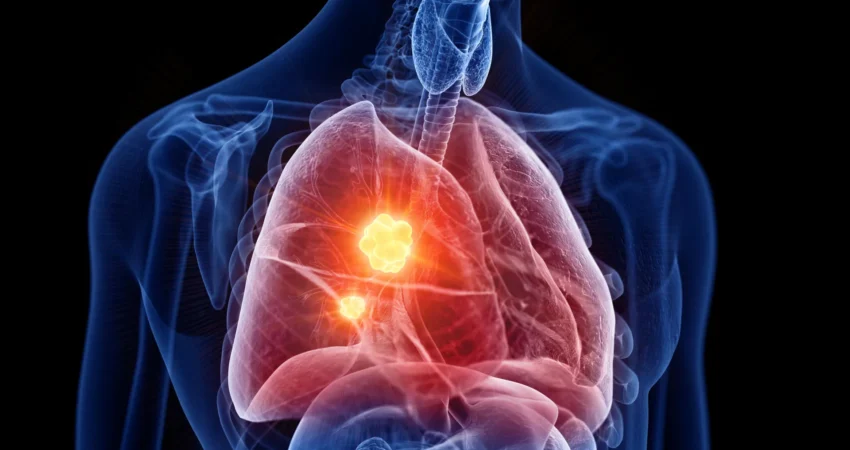
Mesothelioma, a rare and particularly aggressive form of cancer, is overwhelmingly linked to prior exposure to asbestos fibers. These microscopic fibers, when inhaled, can lodge in the delicate tissues of the lungs. Over decades, this persistent presence can trigger chronic inflammation, a cellular environment that may ultimately pave the way for cancerous growth. Annually, an estimated 30,000 individuals globally receive a mesothelioma diagnosis. Despite ongoing efforts in medical research, treatment options remain starkly limited, presenting a significant unmet medical need for patients facing this devastating disease.
Understanding the Challenge of Mesothelioma
The grim statistics surrounding mesothelioma underscore the urgency for innovative therapeutic strategies. The median survival for patients, a demographic predominantly composed of men with a history of working in industries such as shipbuilding, oil refining, and asbestos manufacturing, hovers around a mere 12 months. The five-year survival rate is a sobering 10 percent, highlighting the aggressive nature of the disease and its resistance to current interventions. "It’s a disease of a significant unmet medical need," stated Brian Cunniff, a professor at the University of Vermont (UVM), encapsulating the profound challenge faced by the medical community.
For years, the scientific pursuit of cancer treatments has often centered on bolstering the body’s natural defenses or directly attacking cancer cells. However, in the context of mesothelioma, a novel strategy emerging from research at UVM and its collaborators is flipping this paradigm, aiming to turn cancer’s inherent survival mechanisms against itself.
A Groundbreaking Discovery: Exploiting Oxidative Stress
At the heart of this new approach lies an intricate understanding of cellular metabolism and the unique vulnerabilities of cancer cells. Mesothelioma cells, much like many other malignant cells, exhibit an unusually high production of "reactive oxygen species" (ROS). ROS are unstable molecules that can cause significant damage to cellular structures. This heightened ROS production is a consequence of the hyperactive metabolism that fuels rapid tumor growth.
To counteract the damaging effects of this internal ROS surge, cancer cells develop robust defense systems, primarily by increasing the production of antioxidant enzymes. One such critical enzyme is peroxiredoxin 3, or PRX3, which plays a vital role within the mitochondria – the powerhouses of the cell responsible for energy production. PRX3 operates within the mitochondria, diligently neutralizing harmful ROS and thereby protecting the cancer cell from self-inflicted damage.
The research team at UVM, led by Professor Brian Cunniff and research scientist Victoria Gibson, conceived an audacious strategy: instead of attempting to increase antioxidant defenses, they explored the consequences of depriving cancer cells of one of their most crucial antioxidant safeguards. This counterintuitive approach focuses on inhibiting PRX3. By blocking the function of this enzyme, the researchers hypothesized that oxidative stress would build up within the tumor cells to a point where the damage becomes overwhelming, ultimately leading to cell death.
The Genesis of a Novel Therapeutic Agent
The experimental treatment that has emerged from this UVM-led research is rooted in discoveries made at the university. The core of the therapy utilizes thiostrepton, a naturally occurring antibiotic, which has been engineered into a clinical formulation. Thiostrepton’s mechanism of action is to effectively disable PRX3.
When PRX3 is blocked, hydrogen peroxide, a key component of ROS, accumulates within the mitochondria of tumor cells. This unchecked accumulation triggers a cascade of cellular damage, culminating in programmed cell death, or apoptosis. Cancer cells, already operating with a higher baseline level of ROS due to their accelerated metabolism, are particularly vulnerable to this overload. Furthermore, PRX3 has a faster turnover rate in tumor cells compared to healthy cells, suggesting that the treatment might offer a degree of selectivity, targeting cancer cells more aggressively while minimizing harm to normal tissues.
Pre-Clinical Validation: From Cell Lines to Animal Models
The scientific foundation for this therapeutic strategy was meticulously built through extensive laboratory experiments. When researchers completely deleted PRX3 from mesothelioma tumor cell lines, they observed a significant decline in mitochondrial function. This impaired energy production led to a sharp deceleration in cell growth. Crucially, these PRX3-deficient cancer cells were unable to form tumors when implanted in animal models, providing compelling evidence of PRX3’s indispensable role in mesothelioma tumor development and survival.
Further bolstering the safety profile of targeting PRX3, other research groups have demonstrated that eliminating PRX3 in healthy mice does not result in any adverse effects. This finding is particularly significant given the central role of mitochondria in virtually every cell of the body. Many scientists have expressed reservations about targeting mitochondria, fearing potential systemic toxicity. However, the absence of a detrimental phenotype in mice lacking PRX3 offers strong support for the safety of this specific mitochondrial targeting strategy. "People will come up to us at conferences and state that you can’t target the mitochondria because they’re too important," commented Gibson. "The evidence — that you can knock out PRX3 in mice and there’s no adverse phenotype — supports our approach." In essence, these studies confirm that mammals can develop and function normally even when the genes responsible for producing PRX3 are absent.
From the Laboratory Bench to the Patient Bedside: A Clinical Journey
The journey from groundbreaking scientific discovery to a potential new treatment for patients is often a long and complex one. The scientific groundwork for this novel therapy began at UVM’s Cancer Center around 2015. Following early experiments with thiostrepton that yielded encouraging results, researchers were instrumental in establishing RS Oncology, LLC, a private pharmaceutical company specifically created to advance these UVM discoveries into clinical testing. Brian Cunniff, an Associate Professor in the Department of Pathology and Laboratory Medicine at UVM’s Larner College of Medicine, serves as the Chief Science Officer for RS Oncology, guiding the scientific direction of the company.
The team at RS Oncology then focused on transforming thiostrepton into a clinically viable formulation, which they designated RSO-021. This development paved the way for human clinical trials. Between 2022 and 2023, RSO-021 was tested in a Phase 1 clinical trial conducted in the United Kingdom, under the rigorous oversight of the Medicines and Healthcare products Regulatory Agency (MHRA), the UK’s equivalent of the U.S. Food and Drug Administration (FDA).
A critical aspect of the administration of RSO-021 is its delivery method. For mesothelioma patients, who frequently experience "pleural effusions" – a painful buildup of fluid in the space between the lung and the chest wall – a catheter is often already in place. This existing access point is utilized to deliver the drug directly into the chest cavity. Approximately 90 percent of mesothelioma patients develop pleural effusions, making this a feasible and efficient route of administration. Local delivery allows for a higher concentration of the drug to be delivered directly to the tumor site while minimizing systemic exposure and potential side effects throughout the rest of the body.
Early Clinical Trial Results: A Glimmer of Hope
The Phase 1 clinical trial of RSO-021 was designed primarily to assess the safety and tolerability of the drug. The study met its safety and tolerability endpoints at a dose of 90 milligrams, and importantly, no patient deaths were attributed to the experimental drug. Beyond safety, researchers also found encouraging evidence that RSO-021 was effectively reaching and impacting its intended biological target within patient tumors. This confirmation of the drug’s mechanism of action in human subjects was a significant milestone, validating the findings observed in earlier cell and animal studies.
While the average progression-free survival in the trial was approximately 4.2 months, a figure comparable to existing treatments, the researchers were more heartened by the overall survival data. Among the 15 patients who participated in this initial cohort, survival rates were notably better than what is typically observed with current standard-of-care therapies. Cunniff described this finding as a potential "game changer," expressing optimism that these promising results will persist as more patients are treated.
Intriguingly, the data from the trial also suggested that RSO-021 might possess a dual mechanism of action. Beyond its direct cytotoxic effects, the drug appears to modulate the tumor microenvironment, potentially enhancing the immune system’s ability to recognize and attack cancer cells. "Our drug has both cytotoxic activity, it can kill the tumor cells, but it also has immunomodulatory capacity where it can modulate the immune system to now manage the tumor," Cunniff explained. This dual action could prove to be a significant advantage in combating a disease as aggressive as mesothelioma.
Following the successful completion of the Phase 1 trial, Phase 2 has now concluded. The researchers are preparing to present these updated findings at a major global oncology meeting later this year, where they are expected to generate significant interest from the wider medical community.
Broadening the Horizon: Beyond Mesothelioma
The potential impact of this PRX3-inhibiting strategy extends beyond mesothelioma. The research is actively pursuing several avenues for future development and application. Scientists from UVM and RS Oncology, in collaboration with institutions such as the University of Leicester and other UK-based research centers, are actively developing second-generation PRX3 inhibitors. These next-generation compounds are being engineered with improved solubility, aiming to enable oral administration in the form of a tablet. Such a development would not only enhance patient convenience but could also significantly broaden the therapeutic applications of this approach to a wider range of cancers.
At UVM, Victoria Gibson, the lead author of the recent Nature Communications study, continues her vital research as a postdoctoral researcher. She is instrumental in initiating new research projects that will explore the efficacy of thiostrepton in peritoneal malignancies, including mesothelioma affecting the peritoneum, as well as gastric cancer and other gastrointestinal cancers. This expansion of the research program is being conducted in close collaboration with Conor O’Neill, a distinguished surgical oncologist at the UVM Cancer Center and UVM Health. "We believe this mechanism could be applicable to other cancers," Cunniff affirmed, underscoring the broad potential of this therapeutic principle.
For researchers like Gibson, witnessing the transition of their laboratory findings from petri dishes to human clinical trials has imbued the project with a profound personal significance. "I’ve always just had a desire to help people because I feel like everyone has experienced cancer in their life, whether it’s them, friends, or family members," she shared. The emotional impact of seeing their work directly translate into potential hope for patients was vividly illustrated when a family member of Gibson’s contacted the laboratory, seeking to enroll a dying father in the clinical trial. "We just work in a lab all day working with cells," she reflected, "and the fact that we’re making an impact on people, that they’re wanting to be on this clinical trial, just was amazing to me." This sentiment encapsulates the driving force behind scientific innovation – the ultimate goal of alleviating human suffering and improving patient outcomes. The ongoing research into PRX3 inhibition represents a significant leap forward in the fight against mesothelioma and holds the promise of offering a new therapeutic paradigm for a range of challenging cancers.

0 Comments