
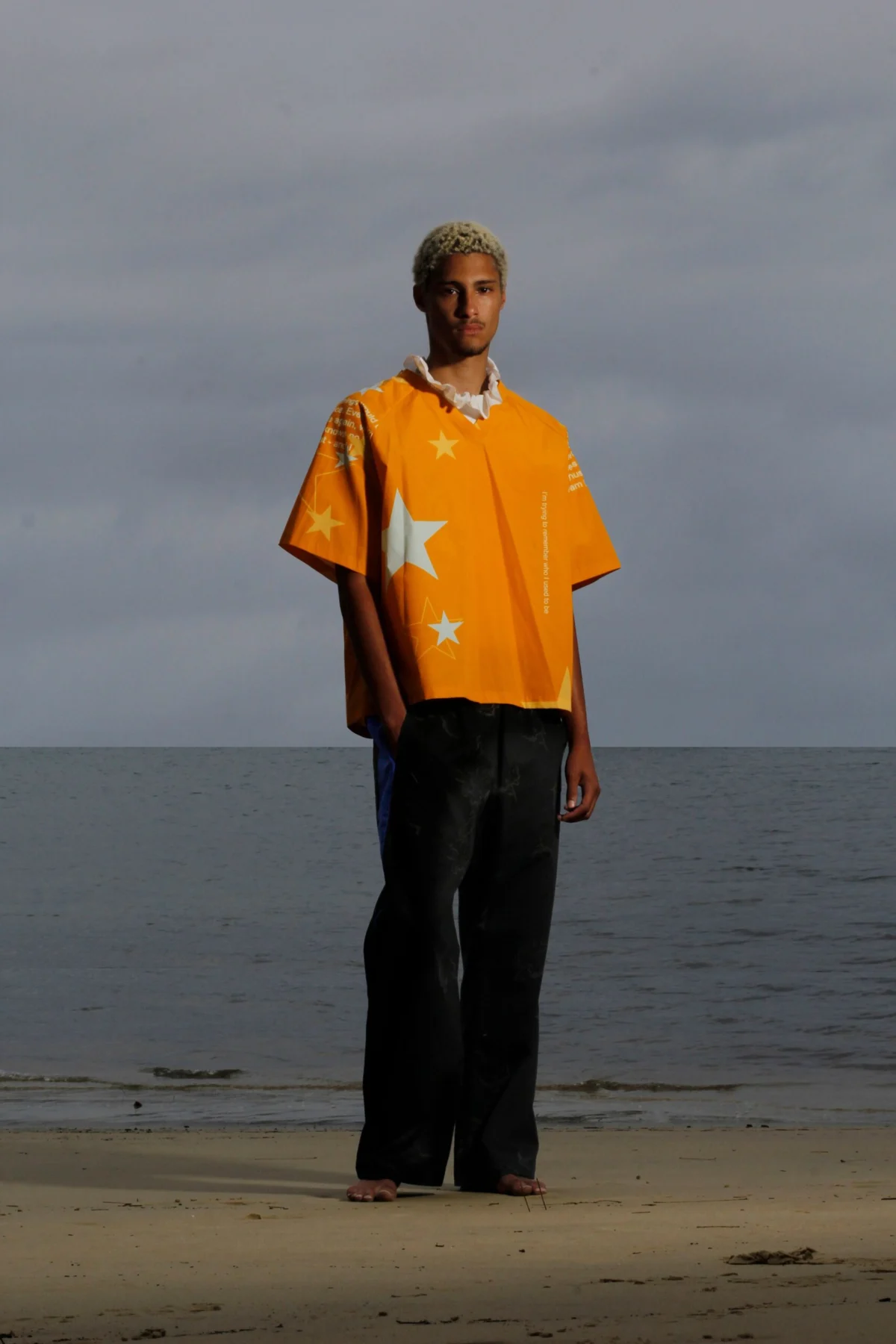
The unveiling of Alix Higgins’ Pre-Fall 2026 collection marks a significant pivot for the Sydney-based designer, as he moves away from rigid thematic structures toward a more intuitive, emotionally driven methodology. Known for his distinctive use of typography and technical stretch fabrics, Higgins has utilized this transitional season to explore the intersection of internet-age identity and the tactile reality of physical retail. By integrating literary influences with a pragmatic approach to commercial demands, the collection—titled in part through the cryptic phrase "goodbye cowboy"—seeks to collapse traditional dress codes into a singular, multifaceted aesthetic. This latest offering comes at a pivotal moment for the label, following the recent opening of its flagship boutique in Sydney’s Chinatown, a move that has solidified Higgins’ presence within the Australian fashion landscape.
The Shift Toward Intuitive Design and Literary Influence
For several seasons, Alix Higgins has been recognized for his ability to organize collections under cohesive, singular themes. However, for Pre-Fall 2026, the designer expressed a desire to "shake off" these self-imposed constraints. The objective was to return to a mode of creation that prioritizes spontaneity and raw emotion over intellectualized concepts. This shift does not imply a lack of depth; rather, it represents a more fluid interpretation of the designer’s internal world. Higgins, a self-described "words person," found the catalyst for this collection in the pages of Honour Levy’s My First Book. The phrase "goodbye cowboy" resonated with him as a symbol of yearning—a sentiment that is simultaneously profound and absurdly meaningless in the context of digital culture.
The application of this phrase throughout the collection serves as a visual anchor. In one instance, "goodbye cowboy" appears in a cyan blue sans serif font across a gray v-neck knit. The styling of the piece—layered over a red ruffled collar and paired with printed board shorts—evokes a "surfer-style" aesthetic that clashes with the more traditional elements of the knitwear. This juxtaposition of disparate elements is a hallmark of the collection. By utilizing clip-art fonts on t-shirts and pairing them with fluted silk chiffon skirts cut on the bias, Higgins challenges the viewer to reconcile the "romantic drifter" with the "digital native."
Technical Execution and Aesthetic Disruption
The Pre-Fall 2026 collection maintains a strong connection to Higgins’ early technical signatures while introducing more structured silhouettes. Rash-shirts and tank tops, which defined his early work in gradient stretch fabrics, remain a throughline. However, these pieces have been reimagined in bold, athletic primary colors, signaling a move toward a more assertive visual palette. The collection also experiments with traditional menswear tropes, featuring business shirts and ties paired with oversized cotton shorts. This deliberate clashing of dress codes reflects the fragmented nature of identity in the internet age, where individuals often project multiple, sometimes contradictory, versions of themselves.
Symbols play an equally important role as text in this collection. Stars, a recurring motif, appear on boxy t-shirts and trailing skirts. Higgins notes that these stars are intentionally ambiguous; they could be interpreted as astrological signs, patriotic emblems, or purely decorative flourishes. This ambiguity allows the wearer to project their own meaning onto the garments, a philosophy that Higgins considers essential to his work. Furthermore, the prints used in the collection invite multiple interpretations. What appears at first glance to be a brewing storm cloud or a plume of smoke is, upon closer inspection, a rose. This play on perception reinforces the idea that there is always room for personal decision and subjective truth in fashion.
Chronology of the Alix Higgins Label
The trajectory of the Alix Higgins brand has been characterized by a steady progression from experimental niche label to a commercially viable fashion house.
- 2021–2022: Higgins gains industry attention for his "gradient" aesthetic, utilizing high-tech stretch fabrics and digital printing techniques. His work is quickly adopted by a young, internet-savvy demographic that values the "e-girl/e-boy" aesthetic.
- 2023: The designer begins incorporating more complex typography and poetic fragments into his designs, establishing a "text-heavy" visual identity that separates him from his contemporaries.
- 2024: Higgins expands his reach through international stockists, gaining a foothold in markets like Tokyo and London. The brand’s focus shifts slightly toward more wearable, everyday pieces without sacrificing its avant-garde edge.
- 2025: The opening of the Alix Higgins flagship store in Sydney’s Chinatown marks a turning point. The physical space allows for direct interaction with customers and provides a hub for the community that has grown around the brand.
- 2026 (Pre-Fall): The current collection represents a synthesis of past experimentation and new commercial pragmatism. The introduction of the color black and the refinement of silk bias-cut garments indicate a maturing of the brand’s DNA.
Commercial Pragmatism and the "Black" Mandate
One of the most notable developments in the Pre-Fall 2026 collection is Higgins’ embrace of commercial reality. Despite his personal discomfort with the color black, he has integrated it into the collection at the specific request of his clientele. This move reflects a broader trend among independent designers who must balance artistic integrity with the financial necessity of retail performance. Higgins describes himself as "pragmatic and commercially-minded," acknowledging that for a brand to survive in the current economic climate, it must listen to its supporters.
The decision to include black garments is not merely a concession; it is a strategic expansion of the brand’s vocabulary. By applying his unique typography and symbolic language to a more "standard" color palette, Higgins makes his work accessible to a wider audience while maintaining the "intimacy" that his core followers value. This intimacy is particularly evident in the "small fragments of text" hidden within the garments—details that are intended for the person who owns and wears the piece rather than for the casual observer. This "insider" approach to design has fostered a deep sense of loyalty among his customer base.
Market Analysis and the Sydney Fashion Landscape
The success of Alix Higgins is emblematic of a broader resurgence in the Sydney fashion scene. The city’s Chinatown district, traditionally known for its culinary offerings, has increasingly become a destination for independent fashion and creative studios. By establishing his store in this neighborhood, Higgins has tapped into a localized energy that stands in contrast to the globalized luxury hubs of the city’s central business district.
Industry data suggests that independent Australian designers are seeing a 12% year-on-year increase in direct-to-consumer sales, driven largely by social media engagement and a growing consumer preference for "story-driven" brands. Higgins’ use of literary references, such as the work of Honour Levy, aligns with a global trend where fashion is marketed as a form of cultural commentary. Levy’s My First Book deals extensively with the complexities of existing in the digital age, a theme that resonates deeply with Higgins’ target demographic. By aligning his aesthetic with these cultural touchstones, Higgins positions his brand as more than just a clothing label; it becomes a participant in a larger intellectual conversation.
Broader Implications for the Fashion Industry
The Pre-Fall 2026 collection by Alix Higgins offers several insights into the future of independent fashion. First, it demonstrates the importance of "brand intimacy" in an era of mass-produced fast fashion. The inclusion of hidden text and ambiguous symbols creates a "secret language" between the designer and the wearer, which in turn builds brand equity. Second, it highlights the necessity of "collapsing tropes." As traditional dress codes continue to dissolve, designers who can successfully mix disparate elements—such as business attire with surfwear or romantic silks with athletic primaries—will be better positioned to capture the zeitgeist.
Furthermore, Higgins’ willingness to adapt to commercial feedback while maintaining an "intuitive and emotional" creative process provides a blueprint for other emerging designers. The integration of black into his palette shows that commercial viability does not have to result in the dilution of a designer’s vision; rather, it can be a tool for reaching a broader audience and ensuring the long-term sustainability of the business.
As the fashion industry moves toward the latter half of the decade, the emphasis on identity—both "real and projected"—will likely remain a central theme. Higgins’ work suggests that the most successful collections will be those that provide "room to decide for yourself," offering garments that are not just products, but vessels for personal expression and subjective interpretation. The Pre-Fall 2026 collection is a testament to this philosophy, blending the yearning of a "goodbye cowboy" with the pragmatic realities of a modern fashion house.

0 Comments