
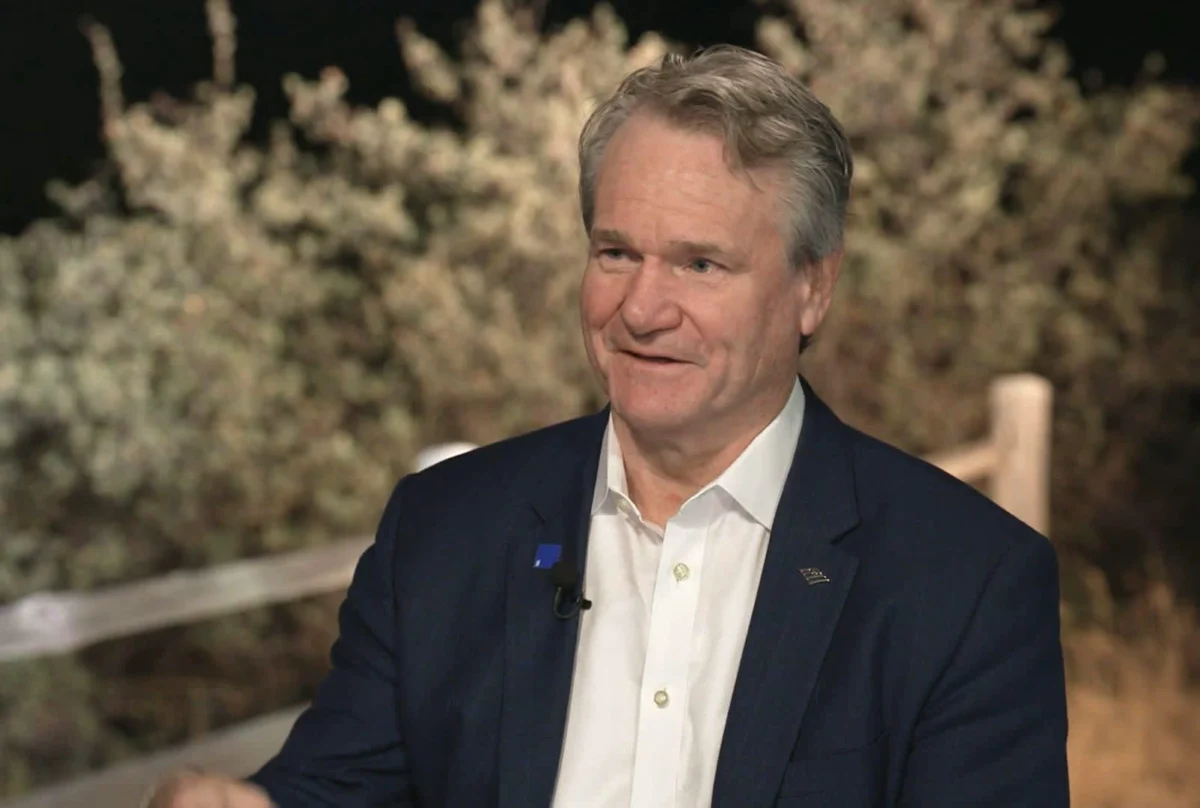
Bank of America CEO Brian Moynihan revealed on Wednesday, August 5, 2026, during an interview with CNBC from Aspen, Colorado, that the financial giant is allocating over $250 million annually to cover GLP-1 weight loss medications for its extensive workforce. This substantial expenditure, a dramatic increase from virtually nothing just four or five years prior, underscores a significant shift in corporate healthcare strategy, positioning the rapidly rising cost as a "worthwhile investment" in employee well-being and long-term productivity. The disclosure highlights the growing financial impact of these revolutionary drugs on employer-sponsored health plans across the United States, sparking a broader discussion about cost, access, and the evolving landscape of preventative healthcare in the corporate sector.
The Soaring Cost of a Healthcare Revolution
Bank of America, which provides healthcare benefits for approximately 211,000 employees, budgets more than $2 billion annually for its overall healthcare spending. Moynihan’s figures indicate that GLP-1 medications alone now constitute roughly 13% of this total healthcare outlay, a testament to both their efficacy and their high price point. "We spend about $250 million or more on GLPs, and that’s up from zero" in the early 2020s, Moynihan told CNBC’s Andrew Ross Sorkin, emphasizing the rapid adoption and escalating demand. This rapid escalation in cost is not unique to Bank of America; employers nationwide have been grappling with the surging popularity and associated expenses of GLP-1 drugs such as Ozempic, Wegovy, and the recently introduced Zepbound. These medications, initially developed for type 2 diabetes, have shown remarkable efficacy in weight management, leading to their widespread prescription for obesity. However, the annual cost per patient can run into thousands of dollars, presenting a formidable challenge for self-insured companies and public institutions responsible for their employees’ medical expenses.
The financial implications of GLP-1s are staggering. According to a July 2026 survey by the International Foundation of Employee Benefit Plans (IFEBP), which represents over 30,000 member companies and public institutions, GLP-1 drugs accounted for an average of 11.4% of annual claims in 2026, a significant jump from 6.9% in 2023. This data illustrates the accelerated pace at which these medications are consuming a larger share of healthcare budgets, forcing many employers to re-evaluate their coverage policies. While some, like Bank of America, embrace the investment, others have chosen to drop or restrict coverage, or are engaged in intense debates about the affordability and long-term sustainability of these treatments as utilization continues its upward trajectory.
Bank of America’s Strategic Rationale and Proactive Approach
Despite the considerable financial commitment, Bank of America’s leadership views the investment in GLP-1 coverage as a strategic imperative. Moynihan articulated a forward-thinking perspective, acknowledging that while some employees might depart the company before the full long-term health savings are realized, the decision is fundamentally rooted in a commitment to providing valuable benefits that enhance the well-being of its workforce. "We see a great impact on the employees," he stated, pointing to tangible improvements in employee health.
Beyond merely providing access to medication, Bank of America has implemented a holistic approach, pairing GLP-1 coverage with comprehensive health coaching. This integrated strategy aims to support employees in monitoring their weight loss progress and making sustainable lifestyle adjustments. This proactive stance reflects a deeper understanding of chronic disease management, recognizing that medication is most effective when combined with behavioral support. Moynihan further highlighted emerging clinical data that suggests not only long-term preventative health benefits, but also nearer-term advantages, including a reduced incidence of cardiovascular events among users. "It’s been fascinating to watch our teammates’ behavior on these adjustments – the loss of weight," he remarked, underscoring the observable positive changes within the employee base.
As one of the nation’s largest financial institutions and the second-largest lender by assets, Bank of America leverages its considerable market power to negotiate more favorable terms for drug pricing. Moynihan confirmed the aggressive stance the company takes with drugmakers and pharmacy benefit managers (PBMs). "Believe me, we’re pounding everybody on price and trying to get as cheap [as possible]," he asserted. This negotiation strategy is crucial in managing the escalating costs and ensuring the benefit remains financially viable. Moynihan reiterated the company’s conviction: "But our view is that [because of] the long-term health benefits, plus there may be more short-term health benefits… it’s a good investment." This perspective frames healthcare spending not as an expense, but as an investment in human capital, potentially leading to reduced absenteeism, increased productivity, and lower costs associated with other chronic diseases in the future.
The Broader Employer Landscape: A Mixed Picture
The decision by Bank of America to fully embrace GLP-1 coverage stands in contrast to the more cautious approach taken by many other employers. The IFEBP survey from July 2026 revealed that approximately 36% of employers provide coverage for GLP-1s for both diabetes and weight loss. While this percentage marks a slight increase from 34% in 2024, it remained flat compared to 2025, suggesting a plateau in the expansion of coverage among many organizations. This stagnation highlights the intense pressure on corporate budgets and the ongoing debate within HR and benefits departments regarding the balance between employee welfare and financial sustainability.
The primary driver behind employer decisions on GLP-1 coverage remains cost. With the drugs’ share of annual claims more than doubling from 2023 to 2026, many companies find themselves in a difficult position. Smaller businesses, in particular, often lack the negotiating power of a behemoth like Bank of America, making the high sticker price of GLP-1s even more prohibitive. This disparity creates a potential two-tiered system of healthcare access, where employees of larger, more financially robust corporations may have access to cutting-edge treatments that remain out of reach for others.
A Chronology of GLP-1 Emergence and Employer Response
The story of GLP-1 drugs and their impact on employer benefits is relatively recent but rapidly evolving. The first GLP-1 receptor agonist, exenatide, was approved for type 2 diabetes in 2005, but the class gained significant prominence with the approval of semaglutide (Ozempic) for diabetes in 2017. The game-changer for weight loss came in June 2021 with the FDA approval of higher-dose semaglutide (Wegovy) specifically for chronic weight management. This marked the true beginning of the explosion in demand.
- 2021-2022: As Moynihan noted, this period saw Bank of America’s GLP-1 spending rise "from zero." This aligns with the initial surge in prescriptions following Wegovy’s approval, as more individuals, not just those with diabetes, sought access.
- 2023: The IFEBP survey reported GLP-1s accounting for 6.9% of annual claims. Eli Lilly’s tirzepatide (Mounjaro), initially for diabetes, quickly demonstrated superior weight loss efficacy, leading to its FDA approval for chronic weight management under the brand name Zepbound in November 2023, further intensifying demand.
- 2024: Employer coverage for both diabetes and weight loss reached 34%, reflecting a cautious but growing acceptance.
- 2025: Coverage remained flat at 34%, indicating that many employers were pausing to assess the financial impact and long-term implications.
- March 2026: Eli Lilly launched a new program designed to boost employer coverage. This initiative allows employers to pay a net discounted price of $449 per month for a new multi-dose form of Zepbound across all doses, a significant reduction from the typical list price. This move by a major drugmaker signals the industry’s recognition of the cost barrier for employers and its strategic effort to expand market access.
- July 2026: The IFEBP survey reported a slight uptick in coverage to 36% but highlighted that GLP-1s now constituted 11.4% of annual claims, underscoring the continued escalation of costs even as coverage expansion slows.
- August 2026: Brian Moynihan’s statement from Aspen confirmed Bank of America’s $250 million-plus annual expenditure, placing a concrete figure on the corporate commitment.
This timeline illustrates the rapid evolution of GLP-1s from niche diabetes medications to mainstream weight loss treatments, and the subsequent scramble by employers and pharmaceutical companies to adapt to the unprecedented demand and cost implications.
The Pharmaceutical Industry’s Role and Market Dynamics
Obesity drugmakers, primarily Eli Lilly and Novo Nordisk, are aggressively pushing to boost employer coverage, recognizing it as a critical gateway to unlocking greater uptake for their treatments. The discounted cash prices for these drugs, while lower than the list price, can still amount to several hundred dollars a month depending on the dose and patient need, making them financially unsustainable for many individuals without robust insurance coverage.
Lilly’s March 2026 program for Zepbound is a prime example of this strategic push. By offering employers more flexibility and a net discounted price, Lilly aims to make its medication more accessible and attractive for corporate benefits programs. This strategy acknowledges the central role employers play in healthcare access for a significant portion of the U.S. population. The market for GLP-1s is projected to reach hundreds of billions of dollars globally in the coming decade, and securing broad employer coverage is paramount to realizing these growth forecasts.
However, the rapid growth in GLP-1 utilization also raises questions about drug supply, manufacturing capacity, and the potential for market saturation or competitive pricing pressures in the future. As more pharmaceutical companies enter the GLP-1 space with new compounds, the dynamics of negotiation between PBMs, employers, and drugmakers are likely to become even more complex.
Broader Economic and Health Implications
Bank of America’s substantial investment in GLP-1 coverage, alongside similar decisions by other large corporations, reflects a broader shift in how employers view healthcare benefits and employee wellness. The move from purely reactive healthcare to proactive disease prevention and management is gaining traction, driven by the understanding that a healthier workforce is a more productive and engaged one.
The long-term implications of widespread GLP-1 coverage are multifaceted. From an economic standpoint, if these drugs effectively reduce the incidence of obesity-related comorbidities such as heart disease, stroke, and type 2 diabetes, they could lead to significant downstream savings in overall healthcare costs for both employers and the broader healthcare system. However, this potential future saving must be weighed against the immediate and substantial upfront costs.
From a public health perspective, expanded access to GLP-1s could have a transformative impact on the national obesity crisis. With over 40% of American adults classified as obese, the availability of highly effective pharmacological interventions, combined with lifestyle support, could lead to significant improvements in population health outcomes. Yet, equitable access remains a challenge, particularly for those without employer-sponsored coverage or robust public insurance plans.
The ethical considerations are also noteworthy. As employers increasingly become arbiters of access to expensive, life-changing medications, questions arise about fairness, privacy, and the potential for discrimination. Bank of America’s decision, however, appears to prioritize employee welfare and long-term health, setting a precedent that other large organizations may consider emulating. The integration of health coaching with medication also underscores a move towards comprehensive, patient-centered care, recognizing that a pill alone is often not a complete solution.
Ultimately, Bank of America’s multi-million dollar commitment to GLP-1 coverage for its employees serves as a potent case study in the evolving world of corporate benefits. It highlights the immense financial impact of these groundbreaking drugs, the strategic calculations companies are making, and the profound implications for employee health, corporate finance, and the future of healthcare in the United States. As the demand for GLP-1s continues to surge, the dialogue around their cost, value, and equitable access will undoubtedly remain a central theme in the national healthcare conversation.

0 Comments