
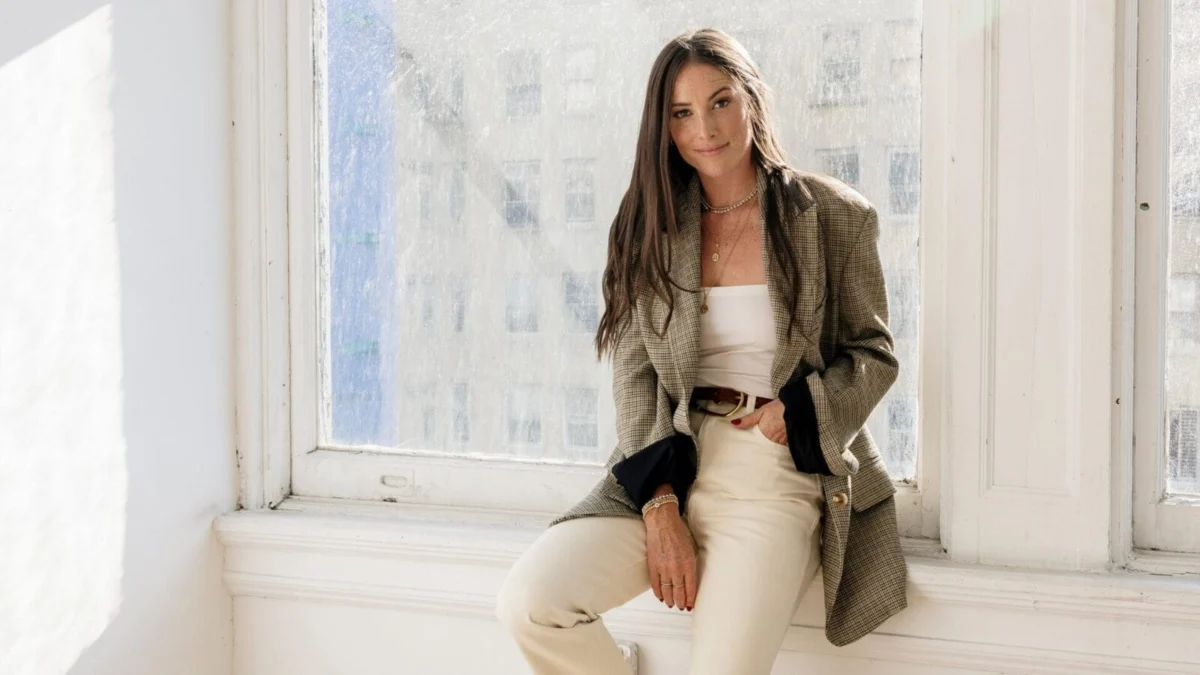
Cameron Rogers, a prominent digital creator, podcast host, and soon-to-be mother of three, is once again challenging traditional narratives surrounding pregnancy with the launch of her latest limited podcast series, "WTF Is Happening To My Body." This 11-episode deep dive offers a raw, real-time account of her third pregnancy, covering everything from initial symptoms through delivery and postpartum. The series is a continuation of Rogers’ established mission to foster an open dialogue about the often-unspoken physical, mental, and emotional challenges of motherhood, solidifying her role as a leading voice for authentic maternal experiences in the digital sphere.

Rogers has cultivated a substantial and dedicated online community through her candid approach to discussing the complexities of parenting. Her primary podcast, "Conversations with Cam," boasts over four million downloads, tackling sensitive subjects like postpartum depression alongside pop culture commentary and the inherent chaos of raising children. This unfiltered honesty has resonated deeply with listeners, creating a sense of camaraderie and shared experience. Beyond her audio content, Rogers is a vocal mental health advocate, openly sharing her personal battles with anxiety and PMDD, and discussing the nuances of continuing medication during pregnancy. Her commitment to accessible self-care is further evidenced by "Quiet Your Mind," a journaling and coloring affirmation book, and her Substack newsletter, "Fill Your Cup," all working in concert to empower women, particularly mothers, to feel less isolated.

The "WTF Is Happening To My Body" series itself has evolved chronologically alongside Rogers’ journey into motherhood. It began as an IGTV series during her first pregnancy in 2020, a period when many women reported feeling unprepared for the radical bodily and psychological shifts that accompany gestation. The initial series quickly became a touchstone for individuals seeking honest accounts beyond the often-idealized portrayals of pregnancy in mainstream media. Rogers revisited the format for her second pregnancy in 2023, expanding its scope and reach. For her third and current pregnancy, the format has transitioned into a more expansive, 11-episode podcast. This new iteration allows for a more detailed, long-form exploration of her weekly experiences, providing listeners with an intimate, unfolding narrative before Rogers herself knows the ultimate outcome. This real-time documentation creates an unprecedented level of connection, inviting her audience to experience the ride alongside her, week by week.

Rogers explains that the decision to document her third pregnancy so publicly stemmed from her platform’s inherent commitment to honest sharing. While her third pregnancy hasn’t presented drastically different symptoms than her previous two, the added dynamic of caring for two other children while pregnant offers a new layer of relatable challenge. Her motivation is rooted in presenting a reality of pregnancy that often deviates from the "sunshine and rainbows" narrative many expectant mothers initially envision. This pursuit of transparency directly addresses a significant gap in public discourse, as studies indicate that a substantial percentage of women experience pregnancy as a period of profound physical and emotional upheaval, often silently. For example, severe nausea and vomiting (hyperemesis gravidarum) affects up to 3% of pregnancies, while more common "morning sickness" can impact up to 80% of pregnant individuals, frequently extending beyond the morning hours and well into the first trimester, causing considerable distress.

The podcast format has enabled Rogers to delve deeper into specific symptoms and experiences, providing a detailed, four-week period breakdown within each episode. This structured yet candid approach allows for a granular exploration of symptoms, offering listeners a detailed preview of potential challenges. A particular episode that garnered significant resonance focused on the intense misery of weeks 8-11, characterized by persistent nausea and the paradoxical struggle of needing to eat to ward off sickness while simultaneously being repulsed by almost all food. This shared experience of "wanting and needing to eat, but not actually interested in anything available to eat" highlights a common yet rarely articulated hardship, providing immense relief and validation for many listeners. Such explicit descriptions are crucial, as societal pressures often encourage pregnant individuals to maintain a façade of glowing wellness, leading to internalized isolation for those struggling.

In a broader context, this authentic sharing contributes significantly to the destigmatization of maternal mental health. Rogers openly discusses her experiences with perinatal depression, a condition that, while affecting a notable portion of pregnant individuals, often remains overshadowed by the more widely recognized postpartum depression. Data from the American College of Obstetricians and Gynecologists (ACOG) suggests that approximately 1 in 7 women experience depression during pregnancy or in the first year after birth. By openly discussing her reliance on medication during pregnancy and the complex emotional tapestry of gratitude for pregnancy coexisting with the dislike of its physical realities, Rogers offers a powerful counter-narrative to the often-simplified view of maternal well-being. This acceptance of conflicting emotions is a cornerstone of her advocacy, fostering a more compassionate understanding of the maternal experience.

When asked about the balance between sharing intimate details and maintaining privacy, Rogers clarifies that her comfort lies in disclosing pregnancy symptoms if it serves to help others. Her primary boundaries are centered around protecting her family and children, allowing her to be fully transparent about her personal bodily journey. This deliberate distinction underscores her commitment to community support while maintaining personal integrity. The real-time nature of her documentation, while making her more acutely aware of her own symptoms, also reinforces her connection to her audience. This reciprocal relationship, where listeners offer feedback and shared timelines, strengthens the sense of a collective "village" navigating pregnancy together.

The implications of Rogers’ work extend beyond individual support. Her unfiltered approach contributes to a growing movement within digital media that champions authenticity over idealized portrayals. This shift is vital for expectant and new parents who are often bombarded with unrealistic expectations, leading to feelings of inadequacy and failure. By providing a platform for "real talk," Rogers helps to normalize struggles, validating the experiences of countless individuals who might otherwise feel alone in their challenges. Her belief that a degree of apprehension about pregnancy and parenthood is healthy, serving as preparation rather than deterrence, represents a pragmatic perspective that prioritizes informed decision-making over romanticized notions.

Ultimately, Cameron Rogers’ "WTF Is Happening To My Body" series is more than just a personal diary; it is a powerful journalistic endeavor in maternal health advocacy. By sharing her journey without reservation, she empowers others to recognize their own experiences, validate their feelings, and understand that the transformative, often difficult, journey of pregnancy is temporary. Her message to those feeling "hijacked" by pregnancy is one of hope and resilience: that a version of oneself, evolved and stronger, will emerge, making the challenges undeniably worth it. In an era where digital communities play an increasingly significant role in personal support, Rogers’ work exemplifies the profound impact of authentic storytelling in fostering connection and destigmatizing the multifaceted realities of modern motherhood.

0 Comments