
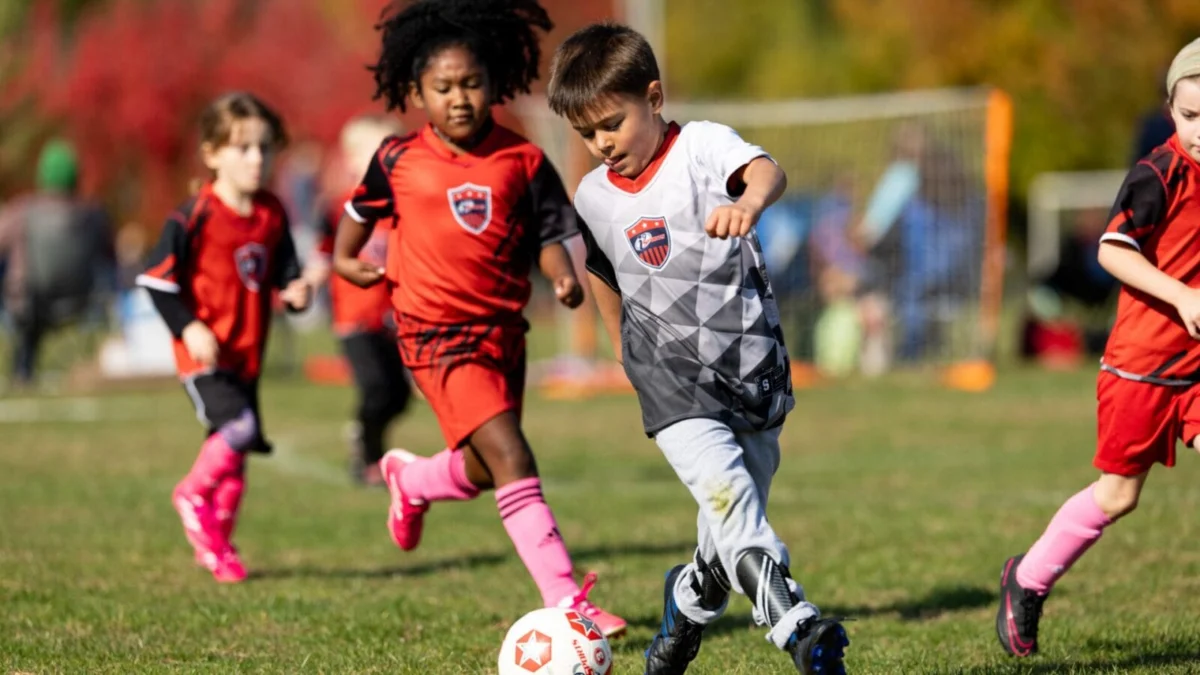
The dynamic landscape of youth sports is currently a significant topic of discussion among parents, particularly following major global sporting events like the World Cup, which often ignite widespread interest in specific disciplines. Parents find themselves at a crossroads, navigating diverse approaches to introduce their children to athletic activities, ranging from fostering general participation to cultivating elite potential. This critical decision-making process involves balancing a child’s enjoyment and overall well-being against the pressures of early specialization and competitive achievement. To provide clarity and expert guidance on this multifaceted issue, insights have been gathered from Justin Hoeveler, President of US Sports Camps, and Madison Gates, VP of Marketing at i9 Sports—two organizations collectively engaging with thousands of young athletes annually. Their collective wisdom underscores a fundamental principle: the paramount importance of a program’s ability to instill a genuine desire in children to continue participating, rather than focusing solely on early commitment or extensive training hours.

The Evolving Landscape of Youth Sports: From Play to Performance
Youth sports in the United States have undergone a profound transformation over the past several decades. Historically, children’s athletic engagement was largely characterized by informal neighborhood games, unstructured play, and participation in local recreational leagues that prioritized fun and community involvement. However, starting in the late 20th century and accelerating into the 21st, a significant shift occurred towards more structured, competitive, and often specialized programs. This evolution has been driven by several factors, including the increasing professionalization of sports, the allure of athletic scholarships, and a cultural emphasis on early talent identification and development.

The "10,000-hour rule," a concept popularized by Malcolm Gladwell, suggesting that mastery in any field requires extensive deliberate practice, has often been misinterpreted and misapplied to youth sports. This has fueled a trend towards early specialization, with children as young as seven or eight years old committing to a single sport year-round, often participating in multiple teams and traveling extensively for tournaments. While the intention behind this approach is often to maximize a child’s athletic potential and secure future opportunities, it has inadvertently created a system laden with intense pressure, significant financial burdens for families, and potential adverse outcomes for young athletes.

Recent events, such as the surge in soccer participation post-World Cup, highlight the cyclical nature of sports interest but also intensify the parental dilemma. Many parents are eager to capitalize on their child’s newfound enthusiasm but are simultaneously wary of the pitfalls associated with overly aggressive youth sports environments. The central question remains: how can parents provide a positive and enriching first sports experience that fosters a lifelong love of physical activity, rather than leading to burnout or injury?

The Undeniable Benefits of Multi-Sport Play and Holistic Development
Contrary to the prevailing trend of early specialization, a growing body of research and expert opinion advocates for multi-sport participation, especially in the formative years. Justin Hoeveler, a former two-varsity athlete at Northwestern in tennis and basketball, strongly credits his diverse athletic background with preventing burnout and fostering continuous development. "Playing multiple sports gave me different ways to compete, different skills to develop, and ultimately helped me avoid burnout," Hoeveler states. This perspective is robustly supported by scientific evidence.

The American Academy of Pediatrics (AAP) has issued clinical reports highlighting the risks associated with early sports specialization. These risks include a significantly higher incidence of overuse injuries (such as stress fractures, tendinitis, and growth plate injuries), increased psychological stress, anxiety, and ultimately, a higher likelihood of dropping out of sports altogether. A study published in Pediatrics linked early specialization to mental fatigue, overuse injuries, and a fading interest in the sport. For instance, athletes specializing before age 12 are statistically more prone to serious injuries that require surgery, with some studies indicating a 70% to 93% higher risk of injury compared to multi-sport athletes.

Multi-sport participation, on the other hand, offers a wealth of benefits. It allows children to develop a broader range of fundamental motor skills, such as running, jumping, throwing, and catching, which are transferable across various athletic disciplines. It enhances proprioception, balance, and agility, contributing to overall physical literacy. Beyond the physical, engaging in different sports exposes children to varied social dynamics and problem-solving scenarios, fostering adaptability, teamwork, and leadership skills. This holistic approach builds intrinsic motivation by allowing children to discover what they truly enjoy and excel at, without the pressure of a singular focus. The infectious joy seen in World Cup stars like Erling Haaland, who clearly relishes his play, exemplifies the positive emotional connection that sports should foster from a young age.

International Models: Lessons from Norway
The global conversation around youth sports development frequently references the "Norway Model" as a beacon of athlete-centric philosophy. This model, deeply embedded in Norwegian culture, stands in stark contrast to the often hyper-competitive systems seen elsewhere. Its core principles include:

- "Sport for All": Emphasizing broad participation over elite selection at young ages.
- Delayed Formal Competition: National rankings and official championships are typically delayed until age 13 or later. The focus is on participation, fun, and skill development through play, not on winning or losing.
- Local Community Clubs: Sports are primarily organized through local, volunteer-led clubs, making them accessible and affordable.
- No Financial Barriers: Efforts are made to keep costs low, ensuring that socioeconomic status does not dictate access to sports.
- Athlete Well-being First: Coaches are trained to prioritize the physical and psychological health of the child above all else.
While the specific infrastructure of the Norwegian system, with its centralized governmental support for sports, may not be directly transferable to the decentralized, club-based U.S. model, its philosophical underpinnings offer invaluable lessons. Hoeveler emphasizes that the values of the Norway Model—prioritizing confidence, enjoyment, and broad skill development—are what truly translate. Parents in the U.S. should seek out programs that embody these values, creating environments where children can explore, learn, and grow without undue pressure for early commitment or competitive outcomes.

Criteria for Selecting a Quality Youth Sports Program
When evaluating potential sports programs for a child, Madison Gates of i9 Sports highlights that the most insightful questions often revolve around the program’s culture and coaching philosophy, rather than its win-loss record. A critical question, she suggests, is: "How does the coach respond when a child makes a mistake?"

1. Coaching Philosophy and Demeanor:

- Positive Reinforcement: Look for coaches who emphasize effort, improvement, and sportsmanship over perfection or winning. In i9’s surveys, 83% of parents prioritized positive, encouraging coaching over a coach’s credentials or playing background. A coach’s reaction to a missed catch or a bad pass reveals much about the program’s true culture.
- Safe Learning Environment: The program should foster an atmosphere where children feel safe to try new things, make mistakes, and learn from them without fear of reprimand or humiliation.
- Developmental Focus: Coaches should be trained in age-appropriate teaching methodologies, ensuring drills and expectations align with a child’s physical and cognitive development.
2. Program Culture and Priorities:

- Focus on Belonging: The strongest programs make inclusion and a sense of belonging their starting point. This means every child gets playing time, feels valued, and is part of the team, regardless of skill level.
- Red Flags: Gates identifies programs that lead with rankings, standings, or tournament advancement as potential red flags, especially for younger children. While competition has its place, it should not overshadow the foundational elements of enjoyment and development.
- "What does success look like here?": This direct question to a coach or program director can reveal their core priorities. An answer centered on championships might indicate a win-at-all-costs culture, while an answer emphasizing confidence, skill development, and a desire for kids to return next season suggests a more balanced approach.
3. Age-Appropriate Structure:

- Developmental Stages: For younger children (under 8-10), programs should focus on fundamental movement skills, multi-directional play, and general athleticism. Specialized positions or complex tactical strategies are generally not beneficial at this stage.
- Variety of Activities: Programs that integrate a variety of movements and expose children to different sports-like activities are often more beneficial than highly structured, single-sport programs for younger age groups.
4. Safety and Well-being:

- Injury Prevention: Inquire about coach training in injury prevention, proper warm-ups, cool-downs, and managing physical exertion.
- Concussion Protocols: Given the increasing awareness of head injuries, ensure the program has clear, evidence-based concussion protocols in place.
- Certified Staff: Check if coaches and staff are certified in first aid and CPR, and have undergone background checks.
The "Try Before You Commit" Philosophy
A pragmatic and highly recommended strategy for parents is to allow children to "try a sport before committing to one." This approach, championed by Hoeveler, minimizes the pressure and financial burden associated with long-term commitments.

- Introductory Camps and Clinics: A week-long camp or a short clinic offers a low-stakes opportunity for a child to sample a new sport, learn basic skills, and gauge their interest without the pressure of a full season. This allows them to discover if they genuinely enjoy the activity.
- Recreational Leagues: These leagues, often organized by community centers or local sports organizations like i9 Sports, provide a supportive environment for children to explore different sports. They typically involve one practice and one game per week, keeping the time commitment manageable and focusing on participation over intense competition.
- Reduced Pressure: This strategy fosters intrinsic motivation. When children choose to continue a sport because they love it, rather than because they are locked into a commitment, they are more likely to stay engaged and develop a lasting passion.
Navigating the Financial and Time Commitment
The financial and time implications of youth sports are significant considerations for families. The cost of participation can vary dramatically, impacting accessibility and potentially creating disparities.

- Recreational Leagues: Typically, community leagues like i9 Sports are designed to be affordable, often costing around $200 for a six-to-eight-week season, including uniforms. These programs generally involve one practice and one game per week, making them manageable for busy families.
- Club and Travel Sports: These programs, while offering a higher level of competition and training, come with a substantially higher price tag. Costs can quickly escalate due to:
- Registration and Team Fees: Often hundreds to thousands of dollars per season.
- Uniforms and Equipment: Specialized gear can be expensive and may need frequent replacement as children grow.
- Tournament Fees: Participation in competitive tournaments adds significant costs.
- Travel Expenses: For travel teams, this includes gas, flights, accommodation, and meals for weekend tournaments, which can be geographically distant.
- Private Coaching: Many parents opt for additional private lessons, further increasing expenses.
- Lost Weekends: The time commitment for club and travel sports can consume entire weekends, impacting family time, other extracurriculars, and academic pursuits.
Gates advises parents to ask specific questions upfront to fully understand the commitment: "How many practices are required? How much travel is expected? Are tournaments optional?" This proactive approach allows families to make intentional choices about the level of commitment they are willing and able to undertake, rather than inadvertently drifting into an overwhelming schedule or financial strain. The high cost of specialized sports can also create an equity barrier, potentially excluding talented children from lower-income households, which has broader implications for athletic development and social mobility.

The Broader Impact: Long-Term Development and Well-being
Ultimately, the goal of introducing children to sports should extend far beyond athletic achievement. As the author reflects on her own children’s diverse paths—one exploring many sports before finding comfort in a non-athletic identity, and the other sticking with one sport without pursuing elite competition—it becomes clear that the true measure of success lies in fostering a child’s overall well-being and a positive relationship with physical activity.

Youth sports, when approached thoughtfully, offer invaluable lessons in teamwork, discipline, resilience, leadership, and coping with both success and failure. They contribute significantly to physical health, mental health, and social development. The intrinsic desire to play and the joy derived from movement are crucial for cultivating lifelong physical activity habits, which are essential for public health.

Parents play a pivotal role not just in selecting programs but also in shaping their child’s experience. This involves being supportive without being overly prescriptive or pressuring. It means celebrating effort and growth, understanding that mistakes are part of learning, and allowing children the autonomy to explore their interests and define their own athletic journey. The objective is not necessarily to produce a professional athlete, but to empower children to find what they love, develop confidence, and build character through the transformative power of sport.

0 Comments