
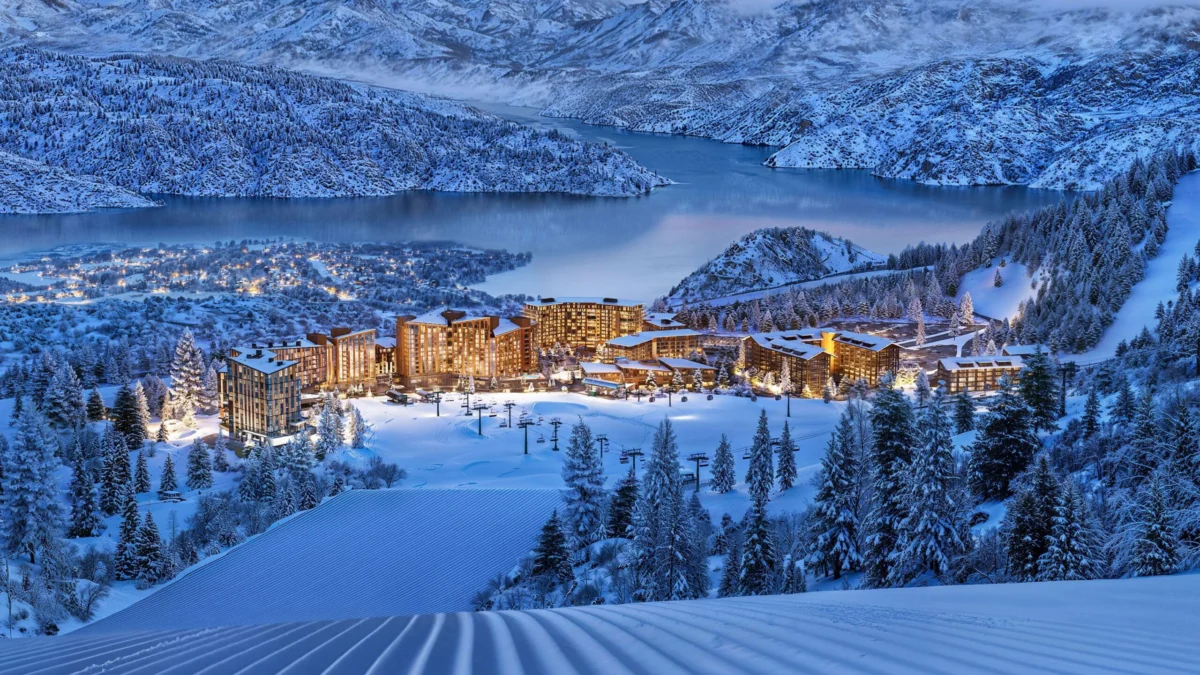
Deer Valley Resort is currently undergoing one of the most significant transformations in the history of the North American ski industry. With the phased opening of its new East Village base area and a massive terrain expansion that will ultimately double its skiable acreage, the Utah-based resort is transitioning from a high-end boutique destination into one of the largest ski operations in the United States. This multi-year development project, centered around the 9,350-foot Park Peak, represents a strategic shift in the resort’s geographic footprint, moving its center of gravity toward the Heber Valley and Wasatch County. Upon completion, the resort will encompass approximately 4,300 acres of skiable terrain, featuring more than 200 runs and 30 lifts, solidifying its position as a global leader in luxury mountain recreation.

Strategic Overview of the Terrain Expansion
The core of the current expansion is the development of the East Village, a new portal that provides a secondary major access point to the mountain alongside the traditional Snow Park and Silver Lake bases. This season, the resort reached a critical milestone by opening more than 80 new trails. These runs are now integrated into the existing mountain infrastructure via the new East Village Gondola, a high-capacity lift system that offers panoramic views of the Jordanelle Reservoir and the Wasatch Range.
The expansion is not merely about size; it is a meticulously planned effort to enhance the skier experience while maintaining the resort’s strict "skier-only" policy. By adding thousands of acres of new terrain, Deer Valley aims to improve crowd distribution and provide a more varied landscape for its guests. The new trails, which appear as "pale ribbons" against the dense forest of the Wasatch mountains, offer everything from gentle glades to high-alpine bowls, centered around the pivotal Park Peak.
-2.jpg)
Chronology of Development and Future Milestones
The transformation of Deer Valley has been described by long-term staff as the growth of a "sprout into a tree," reflecting a decades-long vision that is finally coming to fruition. The development timeline is structured to minimize disruption to current operations while rapidly scaling capacity:
- 2024–2025 Season: The opening of the East Village Gondola and more than 80 new trails. This phase established the connection between the new Heber Valley entrance and the existing resort peaks.
- 2025–2026 Season: Continued trail cutting and lift installation are expected to bring the total skiable acreage closer to the 4,300-acre target. This period will also see the debut of "The Slope," a mixed-use project in Heber City designed to provide residential and retail support to the growing resort area.
- Summer 2026: The scheduled opening of the Canopy by Hilton at Deer Valley, marking the brand’s first ski-destination hotel in Utah.
- 2028 and Beyond: The completion of flagship luxury properties, including the Waldorf Astoria Deer Valley Resort and the Four Seasons Resort and Private Residences. By this stage, the East Village is expected to be a fully realized alpine town.
Infrastructure and Technological Investment in Snowmaking
A critical component of the Deer Valley expansion is the reinforcement of its infrastructure against increasingly unpredictable winter weather patterns. While Utah historically averages 300 inches of snowfall annually, recent seasons have seen totals as low as 160 inches. To mitigate the impact of lower-than-average snowfall and ensure a consistent "corduroy" grooming experience, the resort is investing in one of the most sophisticated snowmaking systems in North America.

The expansion includes the installation of over 1,200 new snow guns and 350,000 feet of specialized piping. Supporting this network are three new pump houses and a massive 10-million-gallon snowmaking pond. According to Brett Hawksford, the resort’s senior snowmaking manager, this system is essential for maintaining the high standards of grooming for which Deer Valley is famous. The ability to produce high volumes of snow early in the season allows the resort to guarantee a "base" that can withstand mid-winter thaws or late-season droughts, effectively decoupling the resort’s operational success from immediate weather fluctuations.
The East Village: A New Hub for Luxury Hospitality
The East Village is designed to be more than just a lift base; it is envisioned as a world-class destination in its own right. Located along US Route 40, the village is planned to feature a comprehensive suite of amenities designed to cater to the high-net-worth demographic that frequents Deer Valley.

The development plan for the East Village includes:
- Accommodations: Nine planned hotels will add over 800 hotel rooms and nearly 1,700 residential units. Key properties include the Grand Hyatt Deer Valley, which currently offers slope-side access, and the upcoming Waldorf Astoria and Four Seasons projects.
- Dining and Retail: The village will host 32 restaurants and 42 retail shops, creating a vibrant après-ski scene.
- The "Ski Beach": Plans include the creation of the largest "ski beach" in North America, a wide, sun-drenched area at the base of the mountain designed for social gathering and relaxation between runs.
The introduction of these facilities is expected to alleviate the historical pressure on Park City’s downtown and the Snow Park Lodge area. By providing a high-end alternative on the Wasatch County side, the resort can better manage traffic flow and offer more convenient access for travelers arriving from Salt Lake City International Airport.

Regional Economic and Community Impact
The expansion into Wasatch County is a transformative event for the Heber Valley. Traditionally a region characterized by small ranches, farms, and open land, the valley is now becoming the "front door" to one of the world’s premier ski resorts. Jessica Turner of the Heber Valley Tourism and Economic Development Office notes that the expansion places a major international gateway directly into Wasatch County, providing significant economic opportunities for the local community.
However, the rapid growth also presents challenges in terms of preservation and affordability. Local officials are working to balance the influx of luxury development with the need to maintain the "hyper-local culture" and charm of the Heber Valley. One notable effort in this regard is the inclusion of affordable housing units within the "The Slope" project, located directly across from the East Village. Providing housing for the resort’s workforce is considered a vital, if less publicized, component of the expansion’s long-term sustainability.

Enhancing the Year-Round Guest Experience
In alignment with broader industry trends, Deer Valley is expanding its offerings beyond traditional downhill skiing. The resort and its partners are increasingly focusing on year-round amenities to attract visitors during the summer and shoulder seasons. This includes guided astronomy outings, winter hiking excursions, and snowmobile tours operated by local outfitters like Wasatch Excursions.
Furthermore, the hospitality experience is being enriched through specialized programming. At the Montage Deer Valley, guests have the opportunity to ski with Olympic athletes, while the St. Regis continues to operate the only ski-resort funicular in North America. These "value-added" experiences are designed to reinforce Deer Valley’s identity as a service-oriented resort, even as it scales to a size that rivals the largest mountains in the country.

Industry Implications and Competitive Positioning
The Deer Valley expansion is a clear signal of the intensifying competition among North American ski resorts for market share and guest loyalty. By doubling its size, Deer Valley is positioning itself to compete directly with massive multi-mountain complexes like Vail and Whistler Blackcomb, while retaining its exclusive, skier-only niche.
The project also highlights the importance of real estate development as a primary driver of resort revenue. The addition of thousands of residential units and high-end hotel rooms provides the capital necessary for massive infrastructure projects like the new snowmaking system and the East Village Gondola. This model of "integrated mountain development" is becoming the standard for top-tier resorts looking to insulate themselves from the risks associated with climate change and a volatile travel market.

As the construction continues and more trails are "rope-dropped" for the public, the evolution of Deer Valley remains a focal point for the global skiing community. The "Corduroy Lunch Club"—an experience where skiers can drop in on freshly groomed, newly opened runs—symbolizes the resort’s current state: a blend of its traditional commitment to perfect conditions and the excitement of a brand-new frontier. For the Heber Valley and the state of Utah, the completion of the East Village will mark the beginning of a new era in mountain tourism, one defined by unprecedented scale, luxury, and technological resilience.

0 Comments