
Every family embarking on a national park adventure frequently confronts a significant hurdle: securing appropriate accommodation. While the allure of camping in the wilderness is undeniable, its practicalities often prove exhausting, particularly for families with young children. Gateway towns offer convenient hotel options, yet these frequently lack the immersive connection to the park experience. The renowned in-park lodges—such as Yellowstone’s Old Faithful Inn, Grand Canyon’s El Tovar, or Yosemite’s Ahwahnee—are often booked a year in advance and command premium prices, placing them out of reach for many. This article reveals a lesser-known tier of historic national park lodges that offer character, comfort, and affordability, often situated inside or immediately adjacent to America’s most treasured natural landscapes. These properties provide a crucial alternative, enabling families to experience the parks without compromising on comfort or budget.
The increasing popularity of America’s national parks has led to unprecedented visitation levels, putting a strain on existing infrastructure and services. According to the National Park Service (NPS), parks recorded over 325.5 million recreation visits in 2023, representing a 4% increase from the previous year. This surge amplifies the challenge of finding suitable lodging, pushing many iconic properties into a competitive booking lottery. However, a closer examination reveals a diverse portfolio of accommodations managed by concessionaires, many of which are specifically designed or inherently suited for family travel, offering a blend of historical charm, modern amenities, and proximity to natural wonders.
The Evolving Landscape of National Park Accommodations
The genesis of national park lodging dates back to the late 19th and early 20th centuries, largely driven by railway companies. Visionaries like the Great Northern Railway’s Louis W. Hill and the Atchison, Topeka & Santa Fe Railway recognized the potential of linking transcontinental travel with access to nascent national parks. They constructed grand hotels and rustic chalets, such as Glacier National Park’s Many Glacier Hotel and the Grand Canyon’s El Tovar, to attract tourists to these remote frontiers. These early lodges were often designed in harmony with their natural surroundings, employing local materials and architectural styles that became hallmarks of "parkitecture." Their primary objective was to provide comfortable, accessible bases from which visitors could explore the parks, thereby fostering appreciation and support for their preservation.
The National Park Service, established in 1916, inherited many of these early concessions. Its mission balances the preservation of natural and cultural resources with providing for the enjoyment of visitors. Operating lodging, dining, and retail services within the parks is typically handled by private concessionaires under strict NPS oversight. Companies like Xanterra Travel Collection, Aramark, and Delaware North manage the majority of these facilities, investing in their maintenance and modernization while adhering to environmental guidelines. This public-private partnership is essential for delivering necessary services to millions of visitors annually, yet it also contributes to the complex booking system and varying price points. The modern challenge lies in maintaining the historical integrity and rustic charm of these lodges while meeting contemporary visitor expectations for comfort and accessibility, all within a framework of sustainable operations.
Spotlight on Family-Friendly Retreats: A Deeper Dive into 12 Hidden Gems
This curated list highlights 12 lodges that, while perhaps less famous than their marquee counterparts, offer exceptional value and experience for families exploring national parks.

-
Tenaya at Yosemite (Yosemite National Park)
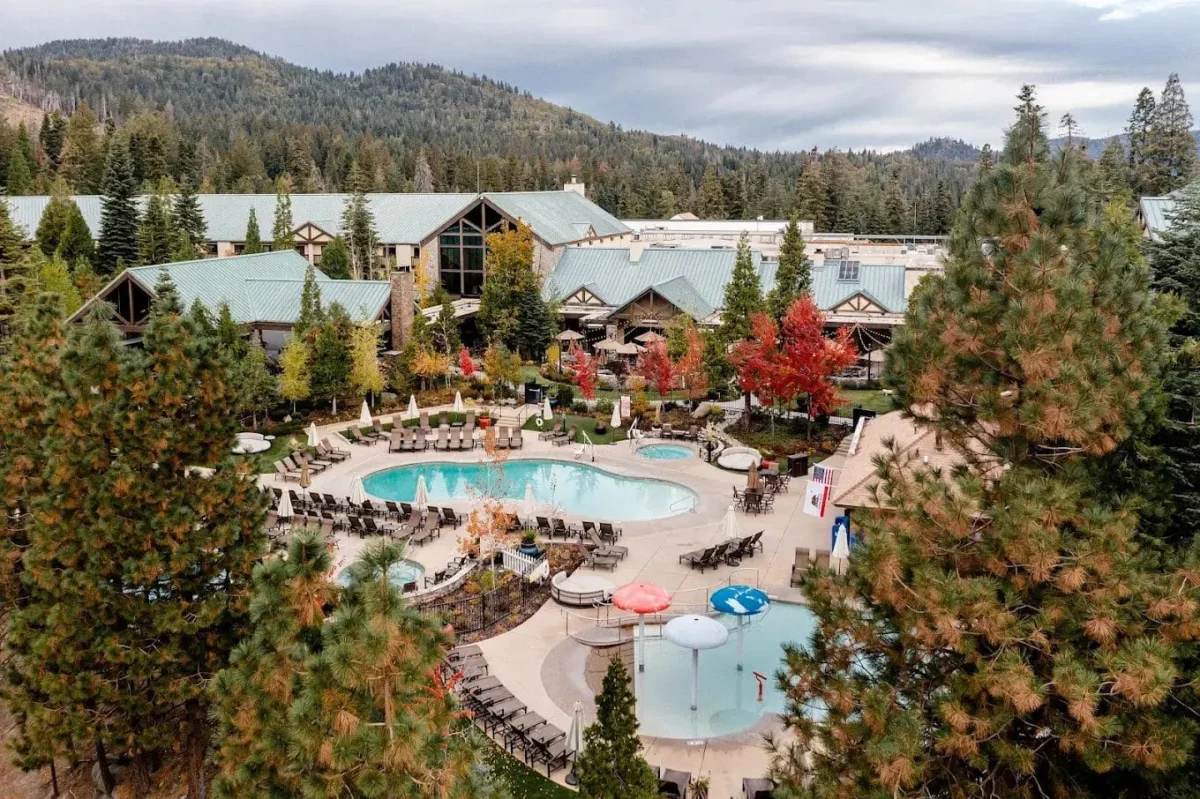
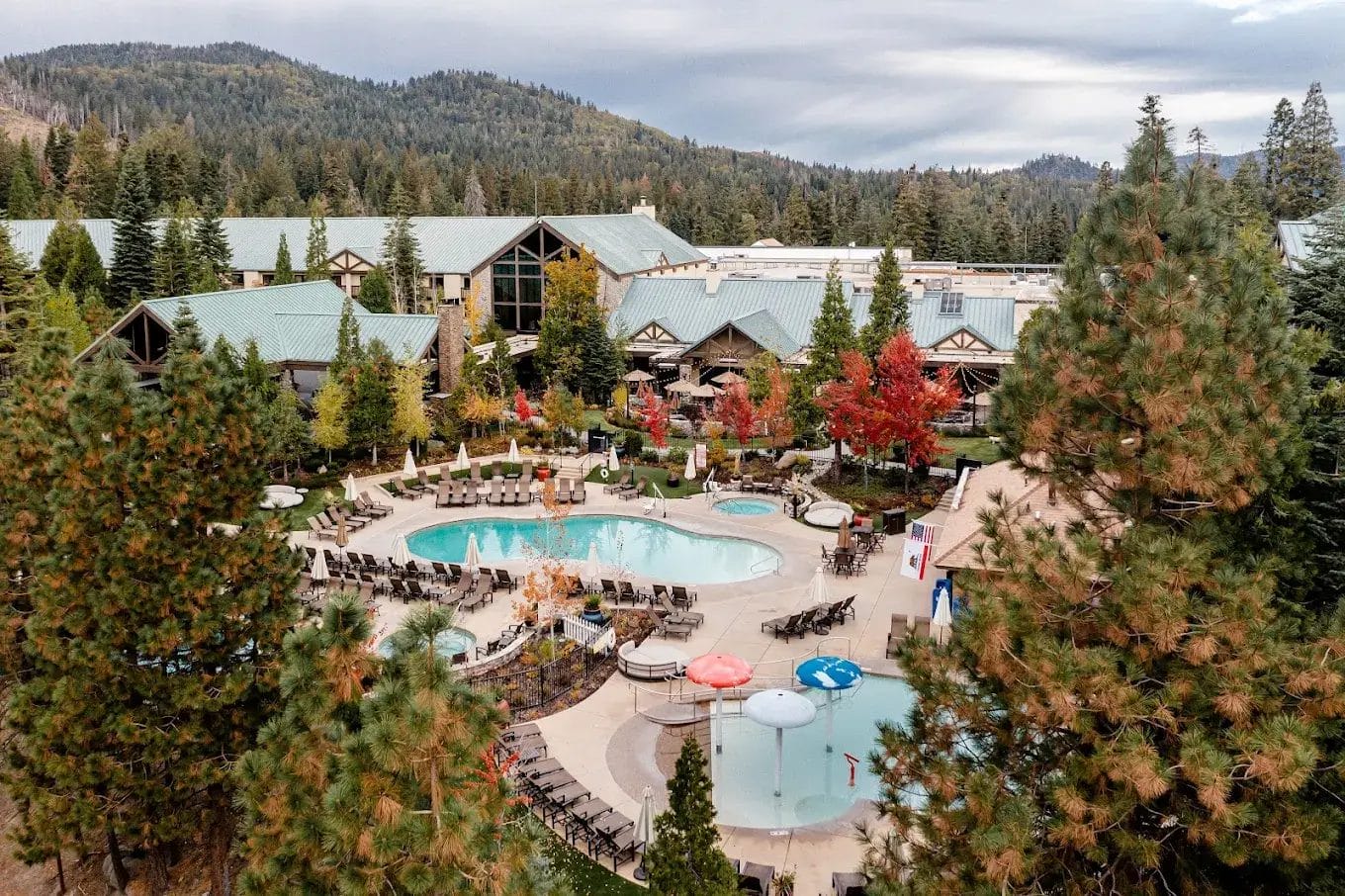
Located just two miles from Yosemite’s south entrance in Fish Camp, California, Tenaya at Yosemite offers a modern resort experience that skillfully bridges luxury with park proximity. While not technically "inside" the park, its location provides unparalleled access to attractions like the Mariposa Grove of Giant Sequoias and Glacier Point within a short drive. The resort, continually renovated and expanded, sits on 48 acres of Sierra Nevada forest. It boasts extensive family-friendly amenities, including seasonal kids’ programs, nature scavenger hunts, s’mores by a communal fire pit, and an outdoor pool with breathtaking mountain views. Accommodations range from cabins and cottages to lodge-style rooms and suites, some equipped with kitchenettes, offering flexibility for families. On-site dining emphasizes locally sourced ingredients. Tenaya offers a comfortable retreat after a day of exploration, ensuring families have a genuine bed and a quality meal, a stark contrast to the rigors of camping. Its position as a gateway resort makes it a strategic base for families seeking Yosemite’s wonders without the intense competition for in-park lodging. -
Lake Quinault Lodge (Olympic National Park / Olympic National Forest)
Nestled on the shores of Lake Quinault within one of the world’s few temperate rainforests, this historic lodge in Quinault, Washington, exudes a timeless charm. Built in 1926, it is famously associated with President Franklin D. Roosevelt, who lunched here in 1937, reportedly inspiring his decision to establish Olympic National Park nine months later. The lodge offers an ideal setup for families, featuring an indoor heated pool (a significant advantage in the Pacific Northwest climate), a game room with ping-pong and arcade games, lawn activities, and rentals for canoes and paddleboards on the lake. Hiking trails begin directly from the lodge’s doorstep, including access to the Quinault Rain Forest Loop Drive, where some of the Earth’s tallest trees can be found. The Roosevelt Dining Room provides farm-to-table cuisine. Lakeside Rooms, sleeping up to six and situated in a separate building, offer enhanced space and privacy for families. Visiting during the spring offers fewer crowds and a vibrantly green rainforest, with more favorable rates. -
Skyland Resort (Shenandoah National Park)
Established in 1888 as a private resort camp, Skyland Resort holds the distinction of being one of the oldest resort properties on this list. Perched at 3,680 feet along Skyline Drive in Virginia, it offers spectacular sunset views over the Shenandoah Valley. The resort’s 28 buildings are dispersed along a forested ridge inside Shenandoah National Park, approximately an hour’s drive from Washington, D.C., making it one of the most accessible national park lodges. Its prime location provides immediate access to family-friendly hiking trails, such as the easy Stony Man Trail, and proximity to more challenging routes like Whiteoak Canyon and Hawksbill Summit. The Pollock Dining Room provides valley-view tables. Fall foliage season transforms the surrounding landscape into a kaleidoscope of colors, offering a premier viewing experience. Requesting a valley-view room is highly recommended for families to maximize the scenic beauty. -
The Lodge at Bryce Canyon (Bryce Canyon National Park)
As the sole hotel situated inside Bryce Canyon National Park, directly on the canyon rim, The Lodge at Bryce Canyon has welcomed guests since 1925. Its historic cabins are particularly well-suited for families, each featuring a gas fireplace, a front porch, and a rustic yet comfortable ambiance that fosters a sense of adventure. Guests are mere steps from the canyon rim, overlooking the otherworldly landscape of hoodoos—tall, skinny rock spires that captivate with their unique formations and geological history spanning 144 million years. Bryce Canyon is an exceptional family park, with trails like the Navajo Loop descending directly into the canyon, manageable for most school-aged children. Horseback rides into the canyon provide an unforgettable experience. As a designated Dark Sky Park, Bryce Canyon offers unparalleled stargazing opportunities. The historic cabins are highly sought after, booking far in advance, but Western Cabins and lodge suites remain comfortable in-park alternatives.
-
Belton Chalet (Glacier National Park)
Built in 1910 by the Great Northern Railway, the same year Glacier National Park was established, the Belton Chalet stands just outside the park’s west entrance in West Glacier, Montana. This historic property offers the charm of in-park lodges without the intense booking competition. Its convenient location provides quick access to Going-to-the-Sun Road, Lake McDonald, and western trailheads. Amtrak service still stops here twice daily, adding to its historical allure. The chalet is reportedly home to a friendly ghost, "Belton Bob," a detail that can either enchant or challenge younger guests. While situated near a main road, the surrounding woods offer a sense of seclusion. The wraparound porch with mountain views serves as an ideal spot for evening relaxation. Private cottages offer more space and privacy, making them the preferred choice for families. Belton Chalet serves as an excellent base for exploring Glacier, especially from late June through September when weather is optimal and Going-to-the-Sun Road is fully accessible. -
Kennicott Glacier Lodge (Wrangell-St. Elias National Park & Preserve)
For families seeking an authentic frontier adventure, Kennicott Glacier Lodge in Kennicott, Alaska, is unparalleled. Located within the largest national park in the U.S. (six times the size of Yellowstone) and based in Alaska’s largest ghost town (a former copper mining operation), the lodge offers a rugged, immersive experience. The main lodge features a 190-foot porch with panoramic glacier and mountain views, complemented by an adjacent South Wing. While not a polished resort, its "quintessentially Alaskan" charm is undeniable. A three-mile round-trip Glacier Trail leads to Root Glacier, offering the thrilling experience of walking on an actual glacier. The ghost town, a National Historic Landmark, provides a fascinating historical context. Getting to Kennicott involves a 60-mile drive on a gravel road from Chitina, an adventure in itself, making it best suited for families with children aged 8 and up who are prepared for a true wilderness experience. The long Alaskan summer daylight allows for extended exploration. -
Bright Angel Lodge (Grand Canyon National Park)
While many visitors vie for reservations at the famous El Tovar, Bright Angel Lodge, designed by legendary architect Mary Colter and built in 1935, offers a similarly prime location directly on the Grand Canyon’s South Rim. It is more accessible and often more affordable. Some rim-view cabins feature fireplaces, creating an intimate, private outpost overlooking the canyon. The lodge is steps away from the Bright Angel Trailhead, a popular and family-friendly route into the canyon. Mule rides, ranger programs, and access to the park’s shuttle system are all conveniently located. Bright Angel Lodge represents an excellent option for families desiring an in-park stay without the intense competition and higher prices of El Tovar. The historic Buckey O’Neill Cabin, a freestanding cabin from the 1890s directly on the rim, is particularly coveted, though standard historic cabins offer charming and more available alternatives. -
The Lodge at Mammoth Cave (Mammoth Cave National Park)
Mammoth Cave National Park in Kentucky is home to the world’s longest known cave system, with over 420 miles mapped. The Lodge at Mammoth Cave provides unparalleled access, located within walking distance of the visitor center where cave tours depart. This lodge stands out as one of the most affordable options on this list and is an absolute gem for families. While some rooms are simple, the recently opened family cabins offer spacious and stylish accommodations. Cave tours cater to various age groups and activity levels, from easy, flat walks suitable for younger children to adventurous crawling and climbing routes for older kids and teens. Above ground, families can enjoy hiking through hardwood forests, kayaking on the Green River, and participating in one of the park system’s best Junior Ranger programs. Mammoth Cave offers a unique blend of underground exploration and surface recreation. It is crucial to book cave tours separately via Recreation.gov well in advance, as popular tours frequently sell out.
-
Volcano House (Hawaiʻi Volcanoes National Park)
Volcano House, located inside Hawaiʻi Volcanoes National Park on the Big Island, offers a truly unique experience: dining while overlooking an active volcano. The original structure dates to 1846, with the current building from 1941. Situated directly on the rim of Kīlauea’s caldera, the lodge provides genuinely surreal views from its crater-view rooms, especially at night when the volcanic glow is visible. For children fascinated by science, geology, or dramatic landscapes, this is an ultimate national park stay. The Thurston Lava Tube, a natural tunnel formed by flowing lava, is a short drive away, and the Crater Rim Trail starts directly at the hotel. The park’s otherworldly quality sets it apart from other national parks. Requesting a crater-view room is essential to fully appreciate the unique setting. Planning at least two nights allows ample time to explore the park’s diverse volcanic features. -
Ross Lake Resort (North Cascades National Park Complex)
Ross Lake Resort in Washington offers one of the most unique lodging experiences in the national park system: 15 floating cabins on a turquoise mountain lake within the North Cascades National Park Complex. Established in 1952, this resort is accessible only by boat, trail, or a combination of truck portage and boat, making the journey an adventure in itself. Upon arrival, guests find themselves immersed in a pristine wilderness, living on the water amidst mountains and forests. The cabins, ranging from one to three bedrooms, feature full kitchens, as there is no on-site restaurant. This arrangement caters to self-sufficient families seeking an off-grid experience without traditional camping. Activities include kayaking, canoeing, fishing, and hiking into the backcountry. Reservations open in the fall for the following season and are highly competitive, often booking immediately. The larger cabins are ideal for families or multi-family groups. -
The Inn at Death Valley (Death Valley National Park)
Despite its foreboding name, Death Valley National Park is a fascinating destination, and The Inn at Death Valley ensures a comfortable exploration. Formerly the Furnace Creek Inn, this property, built in 1927 and recently renovated, offers an oasis in the desert. Highlights include a spring-fed swimming pool, a palm garden, and an observation deck specifically designed for stargazing, offering some of the most dramatic night sky views available. Accommodations include spacious rooms, casitas, and pool bungalows. Dining options include the upscale Inn Dining Room and nearby casual cafés. For children, Death Valley provides a living science lesson: vast salt flats, towering sand dunes, volcanic craters, and Badwater Basin, the lowest point in North America (282 feet below sea level). The key to enjoying Death Valley is timing; visits should be planned for late fall, winter, or early spring when temperatures are pleasant, avoiding the genuinely dangerous summer heat. The casitas and pool bungalows offer superior space and privacy for families.
Strategic Planning for Your National Park Lodge Adventure

Navigating the booking process for national park lodges can be complex, but strategic planning significantly increases success.
- Book Early, Understand the Timeline: Most national park lodges open reservations 11-13 months in advance. While famous lodges sell out within hours, properties on this list, though easier to book, still see summer dates go quickly. Setting calendar reminders for opening dates is crucial. Winter and shoulder seasons typically offer more flexibility.
- Know Who Operates the Lodge: National park lodges are managed by private concessionaires (e.g., Aramark, Xanterra, Delaware North), not the National Park Service directly. Bookings are made through the concessionaire’s website. Conversely, cave tours, campgrounds, and some activities are often booked through Recreation.gov. Understanding this two-system approach is vital.
- Consider Shoulder Seasons: Spring and fall are often referred to as the "secret weapons" of national park travel. Rates are lower, crowds are significantly reduced, and natural phenomena like spring wildflowers or vibrant fall foliage can enhance the experience. Cooler temperatures in desert parks during these times also make for more comfortable exploration. Examples include Shenandoah in October, Death Valley in November, and Bryce Canyon in May.
- Don’t Overlook "Just Outside the Park" Lodges: Several lodges, such as Tenaya, Belton Chalet, and Kennicott, are technically outside park boundaries but offer equally, if not more, convenient access to key trailheads and attractions. "Inside the park" does not always equate to "closer to the good stuff." Always check actual driving distances to planned activities.
- Have a Backup Plan: If a first-choice lodge is sold out, regularly check for cancellations, which often occur as trip dates approach, particularly because many concessionaires have flexible cancellation policies up to 48-72 hours prior to check-in. Exploring nearby Forest Service cabins, which are often rustic but affordable and well-located, can also provide viable alternatives.
Implications and Future Outlook
These "under-the-radar" national park lodges play a critical role in enhancing park accessibility for diverse family groups, especially those for whom traditional camping is not feasible. By providing comfortable, character-filled accommodations at a more accessible price point, they broaden the demographic of visitors who can fully immerse themselves in the national park experience. This accessibility supports the NPS mission of connecting all Americans with their natural heritage.
Furthermore, these lodges contribute significantly to the economic vitality of surrounding communities, supporting local jobs and businesses. As demand for national park experiences continues to grow, concessionaires are increasingly integrating sustainable practices into their operations, from energy efficiency and waste reduction to water conservation. This commitment helps balance the economic benefits of tourism with the imperative of environmental protection, ensuring these precious landscapes remain pristine for future generations.

In conclusion, the notion that a national park stay requires either a significant financial outlay or an arduous camping experience is a misconception. These 12 lodges exemplify a whole world of park accommodations that blend historical charm, genuine comfort, and strategic location. From a fireplace cabin overlooking Bryce Canyon to a floating retreat on a mountain lake or a rainforest lodge where a president once dined, these properties transform a national park visit from a day trip into a profound family vacation. They offer the invaluable experience of waking up already in the heart of nature, with the park serving as an extended backyard, fostering lifelong memories and a deep appreciation for America’s natural treasures.

0 Comments