
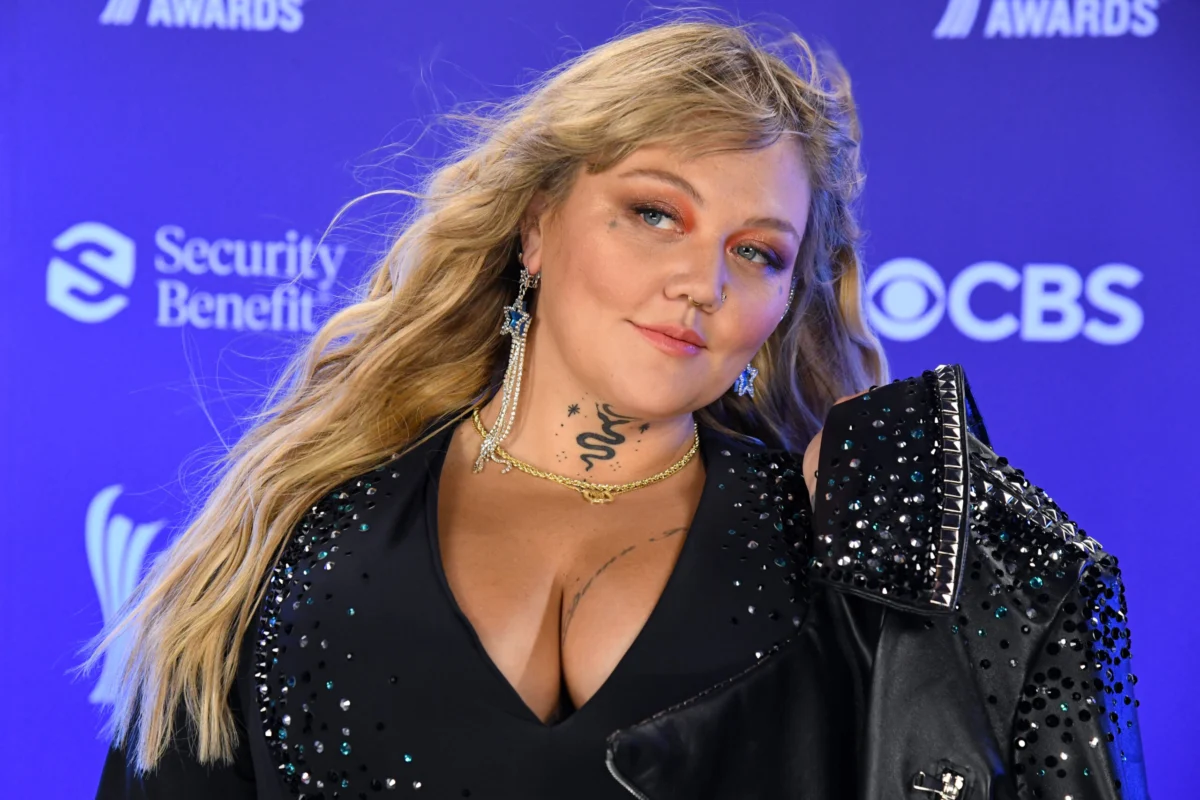
Elle King, the multi-platinum, Grammy-nominated singer-songwriter, has publicly revealed her diagnosis of autism spectrum disorder (ASD) at the age of 37, a revelation that has sparked a broader conversation about neurodivergence and the systemic challenges women face in obtaining accurate mental health evaluations. The announcement, which King first shared with her followers on Instagram in May, marks a significant turning point for the artist, who described the discovery as a clarifying moment that has allowed her to recontextualize decades of personal and professional experiences. King’s journey toward this diagnosis began under unconventional circumstances, stemming from her participation in a new reality competition, which ultimately led to a profound shift in her self-understanding and mental health advocacy.
The Catalyst for Discovery: A Reality Television Competition
The impetus for King’s formal evaluation was her casting in the Fox reality competition series, Nation’s Dumbest. The show, which pits contestants against one another in various challenges of wit and common sense, triggered a period of intense performance anxiety for the singer. King admitted that the prospect of being labeled "dumb" on national television led to a state of near-panic, prompting her to seek objective measures of her cognitive abilities. In an effort to soothe her rising anxiety before filming began, King took two separate online IQ tests. The results were definitive: she scored a 132, placing her in the top 2% of the population, a range typically classified as "highly gifted."
However, the intellectual reassurance of the IQ score did not address the underlying sensory and social complexities King had navigated throughout her life. It was only after the filming concluded that King pursued further professional consultation, leading to the formal diagnosis of autism. Speaking to Us Weekly, King reflected on the immediate sense of relief the diagnosis provided. "I love games. I love game shows. I’m extremely competitive, and I love puzzles and everything," she noted. "I actually found out right after the show that I’m autistic, and so I was like, ‘Everything makes so much sense now.’ But I didn’t even know." This realization provided the "missing piece" to a puzzle King had been attempting to solve for thirty-seven years.
Understanding the Diagnostic Gender Gap and Masking
King’s experience of reaching adulthood without a diagnosis is a common phenomenon among women and individuals assigned female at birth. For decades, medical research and diagnostic criteria for autism spectrum disorder were heavily skewed toward the presentation of the condition in young males. Historically, the "gold standard" for diagnosis was built upon observations of externalizing behaviors—such as physical stimming, repetitive movements, and overt social withdrawal—that are frequently more pronounced in boys.
According to data from the Centers for Disease Control and Prevention (CDC) and the Mayo Clinic, boys are approximately four times more likely to be diagnosed with autism than girls. This disparity is increasingly attributed not to a lower prevalence in females, but to a phenomenon known as "masking" or social camouflaging. Masking involves the conscious or unconscious suppression of autistic traits to blend into neurotypical social environments. Research published in the journal Molecular Autism suggests that girls often develop more sophisticated coping mechanisms, such as mimicking social cues, forcing eye contact, and pre-rehearsing conversations, which allow them to pass as neurotypical while experiencing significant internal exhaustion and sensory overload.
When women like King do seek help for their struggles, they are frequently misdiagnosed with secondary conditions. Clinical focus often shifts toward anxiety, clinical depression, or borderline personality disorder, rather than identifying the underlying neurodivergent architecture of the brain. For King, the late diagnosis has served as a corrective lens, allowing her to view her past "not proudest moments"—many of which played out in the public eye—through a framework of sensory processing issues and social communication differences rather than character flaws.
Chronology of Public Struggles and the Path to Awareness
The diagnosis comes after a period of professional turbulence for King. In early 2024, the singer faced significant public scrutiny following a performance at the Grand Ole Opry during a tribute to Dolly Parton. During the event, King appeared to struggle with lyrics and engaged in tense interactions with the audience, later apologizing for the incident. While public speculation at the time focused on various factors, King’s recent disclosure suggests that these instances may have been exacerbated by the pressures of navigating a high-sensory environment without the necessary accommodations or self-awareness of her neurodivergence.
In her Instagram announcement, King shared a clip of an unreleased track that delves into the emotional weight of feeling misunderstood. The lyrics touch upon the exhaustion of carrying the "weight of past failures" and the constant effort required to navigate a world not built for her cognitive style. This transparency has resonated with a growing community of "late-diagnosed" adults who find themselves re-evaluating their life histories through the prism of ASD.

King is not the first high-profile woman to bring attention to this issue. R&B sensation SZA recently confirmed her own autism diagnosis on social media, highlighting how the condition influences her pattern recognition and creative process. Other figures, such as actress Tallulah Willis and singer Sia, have also shared their late-life diagnoses, contributing to a cultural shift that prioritizes neuro-inclusion and challenges the stereotypes of what an autistic person "looks like."
Strategic Changes: Implementing "Safety Barricades"
For King, the diagnosis is more than a label; it is a roadmap for her future. As a mother of two, she has emphasized the importance of creating a stable and supportive environment, not just for her children but for herself. She has begun implementing what she describes as "safety barricades"—intentional boundaries designed to protect her mental energy and limit exposure to overwhelming stimuli.
"I’ve had a lot of not my proudest moments, and so especially with my autism diagnosis, I am putting new kinds of safety barricades," King explained. "And I just want to be around people that I feel safe around, and I just want to do things that bring me joy." These boundaries include a more selective approach to her professional commitments and a focus on environments where she can be her authentic self without the need for exhaustive masking.
The concept of "safety barricades" aligns with psychological recommendations for neurodivergent adults, which often emphasize the importance of sensory regulation and the reduction of "autistic burnout"—a state of physical and mental exhaustion caused by the chronic stress of navigating a neurotypical world. By prioritizing joy and safety, King is advocating for a lifestyle that accommodates her neurological needs rather than forcing herself to conform to standard industry expectations.
Broader Implications for Mental Health and Neurodiversity
The public nature of Elle King’s diagnosis has significant implications for public health awareness. By sharing her IQ score alongside her ASD diagnosis, King is helping to dismantle the persistent myth that autism is linked to intellectual impairment. In reality, individuals on the spectrum possess a wide range of cognitive abilities, and many, like King, exhibit high levels of pattern recognition, creativity, and analytical thinking.
Furthermore, her story highlights the necessity for updated diagnostic protocols that account for female-typical presentations of ASD. Medical professionals are increasingly calling for gender-sensitive screening tools that look beyond external behaviors and instead focus on internal experiences of sensory processing and social fatigue.
King’s transparency also serves as a call to action for the entertainment industry. The high-pressure, high-sensory nature of touring and public appearances can be particularly taxing for neurodivergent artists. King’s move to set boundaries suggests a shift toward a more sustainable model of celebrity, where mental health and neurological well-being are prioritized over constant public accessibility.
Conclusion: A New Chapter of Presence and Authenticity
As Elle King moves forward, she remains focused on the concept of "presence." Having spent years feeling disconnected or misunderstood, the diagnosis has allowed her to ground herself in her current reality. "I keep telling myself whatever this next chapter is, I really want to be present and enjoy it," she stated. "That’s what I’m trying to do."
Her journey underscores a vital message: the search for self-understanding does not have an expiration date. For the thousands of women who remain undiagnosed, King’s story is a testament to the power of self-advocacy and the relief that comes with "dropping the mask." By speaking openly about her neurodivergence, King is not only healing her own past but is also paving the way for a more inclusive future where neurodiversity is recognized as a fundamental aspect of the human experience. The singer’s "next chapter" appears to be defined not by the expectations of others, but by the safety, joy, and authenticity she has finally found the tools to claim.

0 Comments