
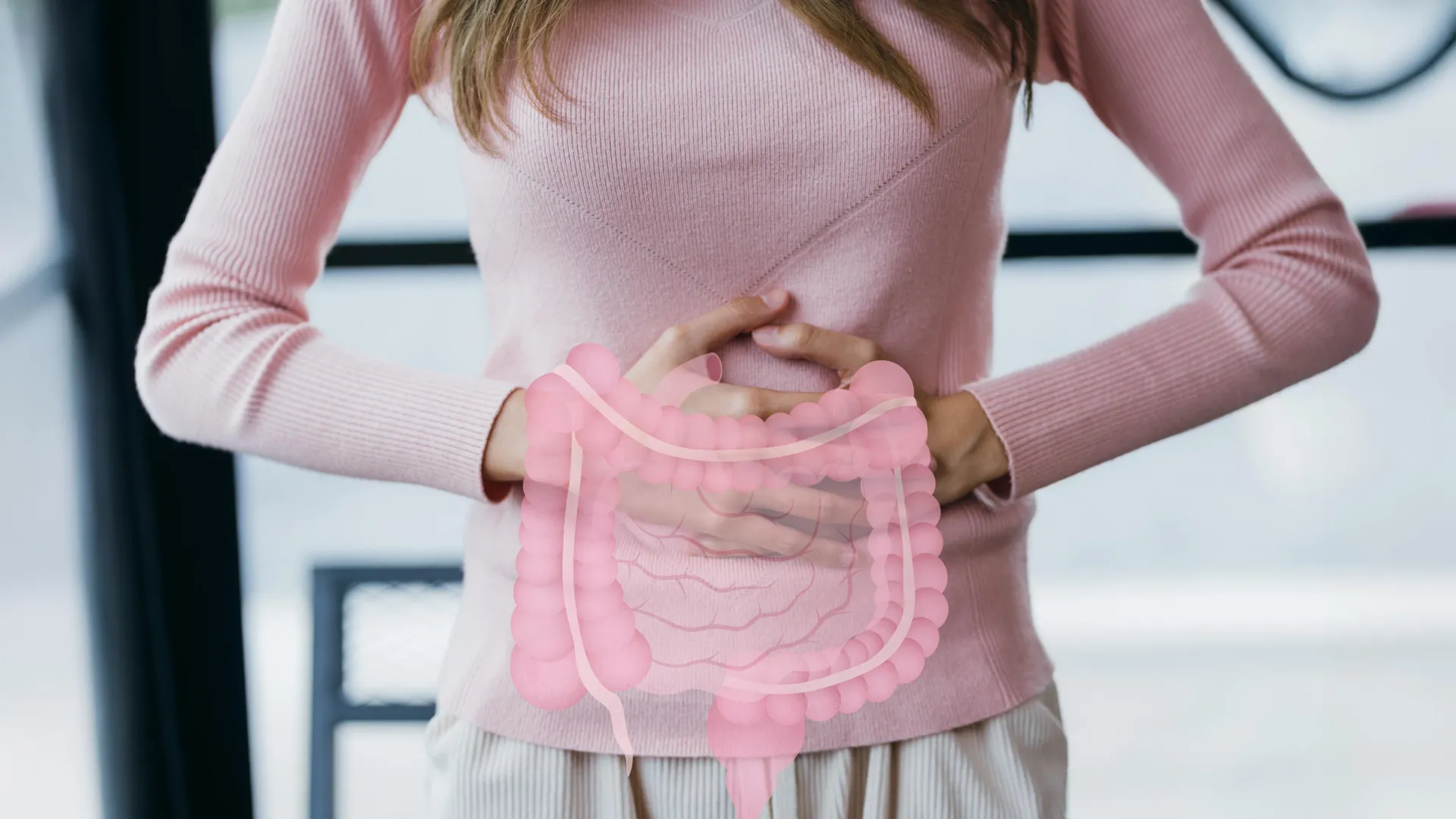
A groundbreaking study emerging from the Faculty of Pharmaceutical Sciences at Toho University has identified a naturally occurring compound, ferulic acid (FA), present in rice bran and other whole grains, that demonstrates a significant ability to modulate intestinal smooth muscle contractions. This discovery, spearheaded by researchers Dr. Keisuke Obara, Dr. Kento Yoshioka, and Professor Yoshio Tanaka, opens promising avenues for developing novel dietary strategies and therapeutic interventions for a spectrum of gastrointestinal motility disorders, including Irritable Bowel Syndrome (IBS) and Inflammatory Bowel Disease (IBD). The research, which meticulously examined the compound’s effects on smooth muscle physiology, suggests ferulic acid could act as a natural regulator of gut movement by inhibiting key calcium channels essential for muscle contraction.
Unveiling Ferulic Acid’s Gastrointestinal Influence
Ferulic acid, a prominent member of the polyphenol family, is widely distributed in plant cell walls, with particularly high concentrations found in cereal brans, rice bran, wheat, oats, and various fruits and vegetables. Historically, ferulic acid has garnered considerable attention for its potent antioxidant and neuroprotective properties, with a substantial body of research exploring its broader health benefits, including its role in combating oxidative stress and its potential in mitigating neurodegenerative diseases. However, its specific impact on gastrointestinal motility—the intricate and coordinated muscular activity that propels food and waste through the digestive tract—remained relatively unexplored until this recent investigation.
The impetus for this research stemmed from the known challenges faced by individuals suffering from IBS and IBD. These conditions are often characterized by dysregulated intestinal movement, manifesting as either hyperactive contractions leading to diarrhea or hypoactive contractions contributing to constipation and sluggish digestion. Understanding the molecular mechanisms that govern these contractions is crucial for developing targeted therapies. The Toho University team hypothesized that ferulic acid, given its known biological activities, might play a direct role in influencing these muscular processes within the gut.
Experimental Evidence: Ferulic Acid’s Inhibitory Power
To investigate this hypothesis, the researchers conducted a series of rigorous experiments utilizing guinea pig ileal longitudinal smooth muscle (ILSM) preparations. The ileum, a key section of the small intestine, is characterized by significant smooth muscle activity critical for digestion and nutrient absorption. The study’s findings revealed that ferulic acid exerted a notable inhibitory effect on contractions elicited by a range of physiological agonists known to stimulate intestinal muscle. Specifically, FA significantly reduced contractions triggered by acetylcholine, histamine, prostaglandin F2α, and serotonin. These signaling molecules are well-established mediators of intestinal smooth muscle activity, and their reduced response in the presence of ferulic acid pointed towards a direct dampening effect on the contractile machinery.
Further analysis of the experimental data provided critical insights into the nature of ferulic acid’s action. The inhibitory effect was observed to be both reversible and concentration-dependent. Reversibility signifies that the suppression of contractions was not permanent; normal muscle activity resumed once ferulic acid was removed from the experimental environment, suggesting a transient interaction rather than irreversible damage. The concentration-dependent nature of the effect, where higher doses of FA led to greater inhibition, is a common characteristic of pharmacologically active compounds and allows for potential dose-response considerations in therapeutic applications.
Crucially, the study determined that ferulic acid acted in a noncompetitive manner. This is a significant finding, as it suggests that FA does not simply bind to the same sites as the signaling molecules, thereby blocking their access to receptors. Instead, the noncompetitive inhibition implies that ferulic acid interferes with a common downstream pathway or a shared component of the muscle contraction mechanism, irrespective of the initial stimulus. This distinction is vital for understanding its precise mode of action and its potential to synergize or interfere with other pharmacological agents.
Delving into the Molecular Mechanism: Calcium Channel Modulation
The researchers then sought to elucidate the molecular underpinnings of ferulic acid’s inhibitory action. Through experiments employing vascular smooth muscle cell models, a potential mechanism began to emerge. These models, while not directly from the intestine, share fundamental similarities in smooth muscle physiology, particularly regarding the role of calcium. The experiments demonstrated that ferulic acid effectively reduced the intracellular influx of calcium ions triggered by potassium chloride, a common method for depolarizing cell membranes and activating voltage-dependent calcium channels.
The central role of calcium in smooth muscle contraction is well-established. When calcium ions enter smooth muscle cells, they bind to regulatory proteins, initiating a cascade of events that leads to the interaction of actin and myosin filaments, resulting in muscle shortening or contraction. The observed reduction in intracellular calcium levels in the presence of ferulic acid strongly indicates that the compound interferes with the influx of calcium. Specifically, the findings suggest that ferulic acid acts by inhibiting voltage-dependent calcium channels. These channels are critical pores in the cell membrane that open in response to changes in electrical potential, allowing calcium to enter the cell. By blocking or modulating these channels, ferulic acid effectively curtails the calcium signaling necessary for smooth muscle to contract.
Implications for Digestive Disorders: A Double-Edged Sword
The implications of ferulic acid’s ability to reduce intestinal smooth muscle contractions are multifaceted and hold potential benefits for specific gastrointestinal conditions. For individuals experiencing hyperactive gut motility, such as those with diarrhea-predominant IBD, the calming effect of ferulic acid could offer a significant therapeutic advantage. By dampening excessive contractions, it could help to slow down transit time, reduce the frequency of bowel movements, and alleviate associated symptoms like urgency and pain. This potential application aligns with the ongoing search for natural compounds that can offer relief without the side effects often associated with conventional pharmaceuticals.
However, the researchers prudently acknowledge that this effect may not be universally beneficial. In conditions like constipation-predominant IBS, where the primary issue is reduced intestinal movement, further slowing of gut motility could exacerbate constipation and related discomfort. Similarly, in healthy individuals, a significant reduction in intestinal transit time could lead to or worsen constipation. Therefore, the application of ferulic acid as a therapeutic agent would necessitate careful patient selection and dosage optimization to ensure it addresses the specific motility issue without inducing adverse effects.
The Road Ahead: Bridging the Gap to Human Application
Despite the promising findings, the researchers emphasize the need for further investigation to bridge the gap between laboratory observations and human clinical application. A key consideration is the concentration of ferulic acid used in the in vitro experiments. These concentrations were notably higher than the blood levels typically achieved through normal dietary intake of ferulic acid-rich foods. This raises questions about the in vivo relevance of the observed effects.
However, the researchers propose a plausible explanation: after oral consumption of foods or supplements containing ferulic acid, its concentration within the intestinal lumen, where it directly interacts with the gut wall, might be significantly higher than systemic blood levels. This direct contact could lead to localized pharmacological effects on intestinal smooth muscle. To confirm this, future research will need to focus on measuring ferulic acid concentrations within the human gut and correlating these levels with observed physiological changes.
The study lays a robust foundation for exploring ferulic acid’s role in dietary interventions and the development of functional foods or supplements aimed at modulating gut motility. Nonetheless, the definitive validation of these findings in humans will require well-designed clinical trials. Such trials would be essential to:
- Confirm efficacy: Demonstrate that ferulic acid can indeed regulate intestinal motility in humans.
- Identify target populations: Determine which specific patient groups, such as those with diarrhea-predominant IBS or IBD, are most likely to benefit.
- Establish safety and dosage: Identify safe and effective intake levels, considering potential side effects and interactions with other medications or dietary components.
The Toho University research represents a significant step forward in understanding the complex interplay between dietary compounds and gastrointestinal function. By identifying ferulic acid as a potential regulator of intestinal contractions, this study not only deepens our scientific knowledge but also offers a tangible glimmer of hope for improved management of prevalent digestive disorders. The journey from laboratory bench to bedside is long, but this research has undoubtedly illuminated a promising path forward.

0 Comments