
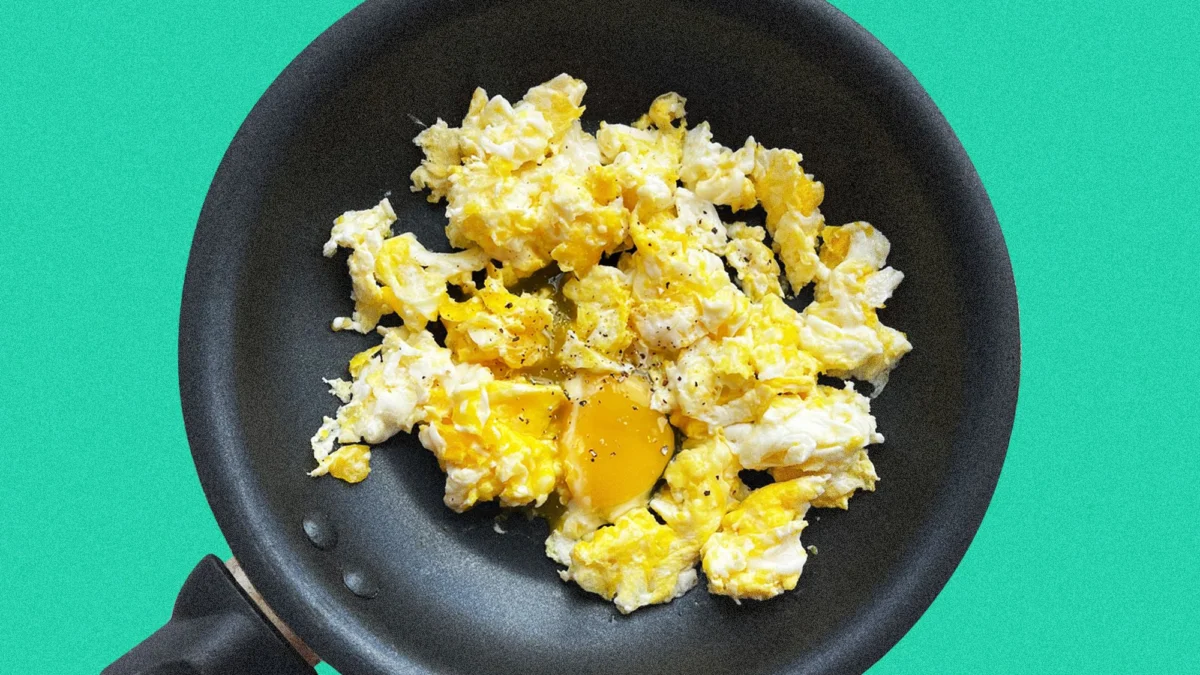
The quest for the perfect breakfast, one that is both delicious and efficient, has led to a new culinary discovery gaining significant traction across social media platforms: "frambled" eggs. This technique, a hybrid of frying and scrambling, promises a speedier preparation time and a streamlined cleanup process, appealing to busy individuals seeking a quick yet satisfying start to their day. While the term "frambled" may be new to many, proponents of the method highlight its long-standing presence in home kitchens, often developed out of necessity or personal preference for a unique egg texture.
The Rise of the Frambled Egg: A Culinary Evolution
The traditional methods of preparing scrambled eggs typically involve whisking eggs vigorously before cooking them in a pan, often over medium heat, with constant stirring to achieve a fluffy, uniform texture. Fried eggs, on the other hand, involve cracking eggs directly into a hot pan and cooking them until the whites are set and the yolks are either firm or runny, depending on preference. The frambled egg technique bridges these two methods, offering a distinct texture and a more efficient cooking process.
Social media platforms, particularly TikTok and Instagram, have been abuzz with videos demonstrating the frambled egg technique. These short-form videos showcase a rapid preparation that often takes less than ten minutes from the moment eggs are retrieved from the carton to their presentation on a plate. This speed is a significant draw, especially for a demographic that values efficiency in their daily routines. The visual appeal of the partially formed curds, interspersed with pockets of runny yolk, also contributes to its viral popularity, presenting a visually dynamic alternative to conventional scrambled eggs.
Unpacking the Frambled Egg Technique: Simplicity and Speed
At its core, the frambled egg method involves cracking eggs directly into a preheated, greased nonstick or carbon-steel pan over medium heat. The key differentiator from traditional frying is the minimal initial setting time for the eggs before intervention. Instead of allowing the whites to fully solidify or waiting for the yolks to break naturally, the cook intervenes almost immediately.
Using a rubber spatula, the cook gently slides it under the eggs, ensuring they are not sticking to the pan. This action also serves to break the yolks, but crucially, not to the extent of a full scramble. The pan is then shaken to redistribute the fat and the eggs are gently folded and nudged, allowing the uncooked egg to flow into the hot pan and set. This process creates larger, softer curds than those typically found in a vigorously scrambled egg, while still ensuring the eggs are cooked through.
A notable aspect of the frambled egg technique is the ability to control the yolk consistency. Some practitioners intentionally leave one or more yolks intact, or only partially broken, to create a "jammy" or creamy element within the dish. This provides a rich, unctuous counterpoint to the cooked egg whites, adding a layer of complexity and visual interest that is often lost in a fully homogenized scramble. This level of control over the final texture is a significant advantage for those who appreciate nuanced egg preparations.
The entire process, from cracking the eggs to achieving the desired consistency, is designed for minimal fuss. The lack of extensive whisking or constant, vigorous stirring reduces the effort required. Furthermore, by minimizing the number of utensils used and the complexity of the cooking movements, the cleanup is significantly simplified. This appeals to the growing trend of "lazy" or "easy" cooking hacks that aim to reduce the burden of kitchen chores.
Historical Context and Culinary Innovation
While the recent surge in popularity is tied to social media trends, the underlying principles of the frambled egg technique are not entirely novel. Many home cooks have, over time, developed similar methods based on personal preference or an intuitive understanding of egg cookery. The "cold pan" method of cooking eggs, which involves starting eggs in a cold pan and gradually increasing the heat, also shares similarities in its emphasis on gentle cooking and controlled texture.
The term "frambled" itself appears to be a portmanteau, likely combining "fried" and "scrambled," encapsulating the hybrid nature of the preparation. Its emergence as a distinct culinary term, however, is largely attributed to its recent viral spread online. This phenomenon highlights the power of digital platforms in democratizing culinary knowledge and popularizing cooking techniques that might otherwise remain within the confines of individual kitchens.

The speed at which this technique has gained traction is also indicative of broader societal trends. In an era where time is a precious commodity, particularly for working professionals and families, any method that can shave minutes off meal preparation without sacrificing quality is likely to be embraced. The average time for preparing traditional scrambled eggs can range from 5 to 10 minutes, while fried eggs can be ready in a similar timeframe. The frambled egg, by streamlining both the cooking and cleanup processes, offers a tangible time-saving benefit. Data from market research firms often indicates that convenience and speed are primary drivers in consumer food choices, particularly for breakfast. For instance, reports from Nielsen and other market intelligence agencies frequently highlight the demand for quick-prep meals and snacks, with breakfast categories showing particular growth in products offering time-saving solutions.
Expanding the Frambled Egg: Versatility and Pairings
The inherent simplicity of the frambled egg also lends itself to significant customization and enhancement. While a basic preparation can be enjoyed on its own with toast, its potential extends far beyond. The author of the original piece notes that time permitting, vegetables can be incorporated. Sautéing ingredients like sliced onions or greens before adding the eggs can infuse additional flavor and nutrients. Furthermore, the inclusion of pre-cooked leftovers, such as roasted broccoli or sweet potato, transforms the humble frambled egg into a more substantial and nutrient-dense meal.
The adaptability of the frambled egg also makes it an excellent base for more complex dishes. Its texture and ability to hold other ingredients make it a perfect component for breakfast sandwiches. By folding the frambled eggs to fit the size of the bread, roll, or bagel, and layering with cheese, hot sauce, or crispy bacon, a gourmet breakfast sandwich can be assembled with minimal effort. This application is particularly relevant given the enduring popularity of breakfast sandwiches as a convenient and satisfying meal option. The global breakfast sandwich market is a multi-billion dollar industry, with consistent growth driven by demand for portable and customizable breakfast solutions.
Beyond traditional accompaniments, the frambled egg can also be elevated with flavorful additions like pesto, harissa paste, or chili crisp. These condiments introduce a range of tastes and textures, from herbaceous and spicy to savory and umami, showcasing the versatility of the egg preparation. This willingness to experiment with diverse flavor profiles reflects a broader culinary trend towards global flavors and fusion cuisine, even within the context of everyday meals.
Broader Implications and Culinary Trends
The viral success of the frambled egg technique underscores several significant trends in contemporary food culture. Firstly, it highlights the democratizing influence of social media on culinary knowledge. Techniques that were once learned through family or formal instruction are now readily accessible and disseminated through short, engaging videos. This accessibility empowers individuals to experiment with cooking in their own homes, fostering a greater sense of culinary confidence.
Secondly, the popularity of the frambled egg speaks to a growing appreciation for efficiency and simplicity in meal preparation. As lives become increasingly demanding, consumers are actively seeking ways to optimize their time without compromising on the quality of their meals. This has led to a surge in demand for convenient cooking methods, time-saving ingredients, and recipes that prioritize speed and ease.
Thirdly, the technique’s emphasis on a desirable texture, achieved through a nuanced cooking process, reflects a growing interest in the sensory aspects of food. Consumers are not just looking for sustenance; they are seeking enjoyable and engaging culinary experiences. The ability to control the "jammy" consistency of the yolk, for example, appeals to a desire for well-executed, thoughtfully prepared food, even in a rapid preparation.
The frambled egg also presents a case study in how traditional cooking methods can be reinterpreted and revitalized through digital platforms. While the core technique may have existed in various forms for years, its rebranding and widespread dissemination through social media have given it new life and widespread recognition. This adaptability and innovation are crucial for the evolution of culinary practices, ensuring that traditional foods remain relevant and appealing to new generations.
In conclusion, the frambled egg phenomenon is more than just a fleeting social media trend. It represents a confluence of practical culinary innovation, the power of digital dissemination, and a societal desire for efficient, enjoyable, and customizable meal solutions. As consumers continue to navigate busy lives, techniques like the frambled egg, which promise speed, simplicity, and delicious results, are poised to become enduring staples in the modern kitchen. The continued exploration and adaptation of such methods will undoubtedly shape the future of home cooking, making gourmet-quality meals more accessible than ever before.

0 Comments